Charlie Javice seeks Trump pardon after Frank fraud conviction
Charlie Javice, convicted of inflating Frank’s customer base, is now seeking a Trump pardon as JPMorgan’s $175 million deal keeps generating fallout.

Charlie Javice is trying to turn a corporate fraud conviction into a political rescue. The founder of Frank, the student-finance startup JPMorgan Chase bought for $175 million in 2021, has sought a presidential pardon from Donald Trump after being convicted of fraud and conspiracy for overstating the company’s customer base.
The case has become a sharp test of elite accountability because it stretches well beyond a single criminal verdict. Javice was sentenced in September 2025 to 85 months in prison, just over seven years, and ordered to pay $287 million in restitution plus $22.36 million in forfeiture. She is also appealing the conviction, and a federal judge rejected her effort on March 24, 2026, to vacate the verdict over alleged law-clerk conflicts.
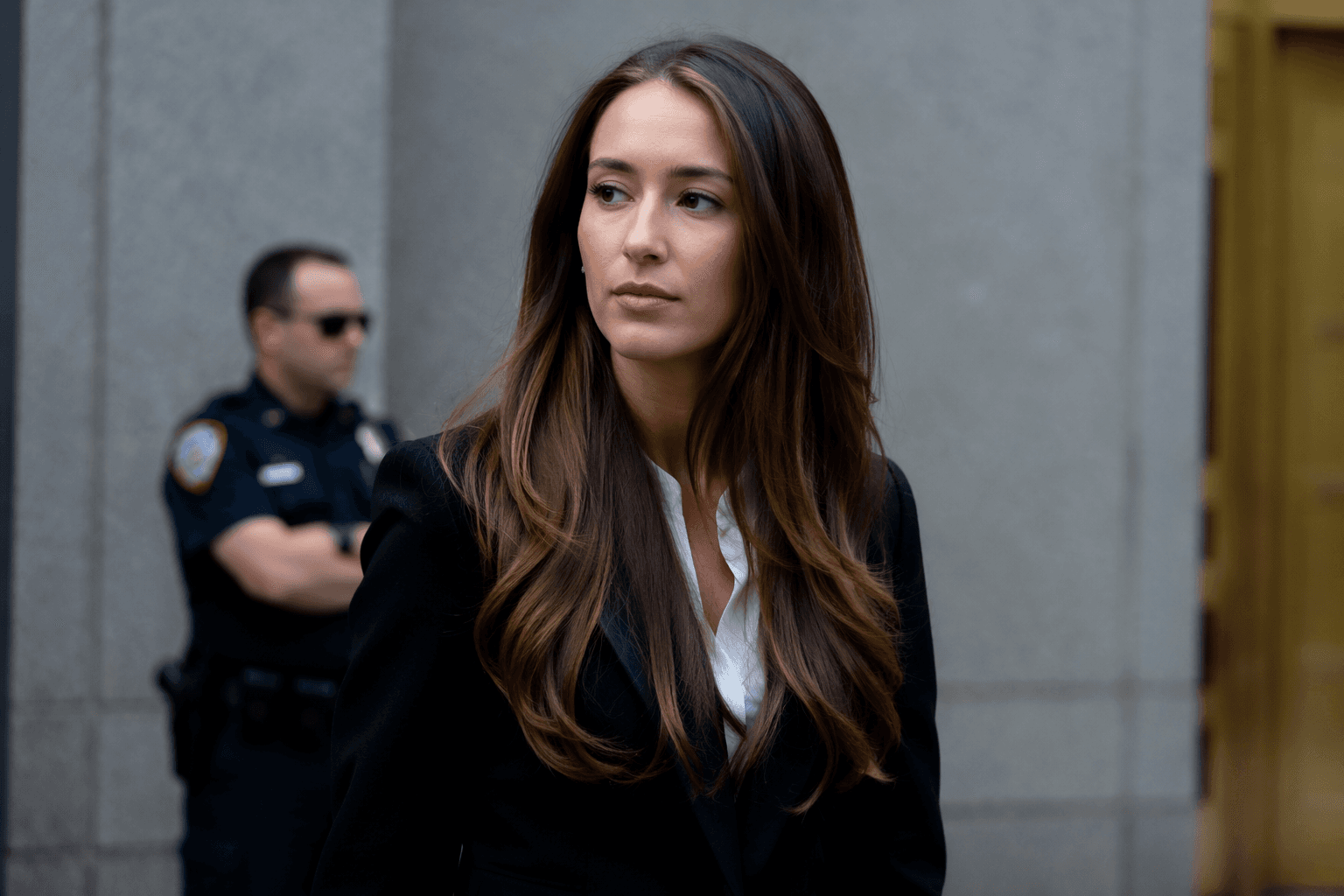
The pardon push adds a political layer to a dispute that already exposed the risks of sprawling acquisition deals and weak diligence. Javice and people close to her have been seeking support from figures close to the Trump administration, a move that highlights how white-collar defendants often look beyond the courtroom once a scandal has hardened into a sentence. For JPMorgan, the case remains a costly reminder that a deal bought for speed and scale can leave a bank with years of litigation and reputational damage.
The fallout has not been limited to the criminal case. The Securities and Exchange Commission has its own civil enforcement action in the background, and JPMorgan remains involved in litigation over legal bills. That makes the Frank saga more than a former founder’s legal fight. It is an extended corporate unwind, with civil claims, criminal penalties and internal cost disputes all still active at once.
The optics are especially sensitive because Apollo Global Management CEO Marc Rowan, an early Frank investor, testified on Javice’s behalf at trial and has also backed Trump-aligned political causes. That overlap gives the pardon effort a broader resonance in Washington and on Wall Street, where legal defense, political access and executive influence often collide. JPMorgan, meanwhile, has publicly denied any political motive in its separate dispute with Trump over the bank’s closure of Trump-related accounts after Jan. 6, a backdrop that only sharpens attention on any clemency effort in Javice’s case.
For JPMorgan, Jamie Dimon’s bank paid $175 million for a startup that became a symbol of alleged misrepresentation. For the pardon system, the request raises an older question with modern stakes: whether political connections can soften consequences after a fraud case has already been proven in court.
This article was produced by Prism’s automated news system from verified source data, official records, and press releases, then run through automated quality and moderation checks before publishing. The system is built and supervised by the people who set the standards it runs under. Read our full AI policy.
Did this article answer your question?

%3Amax_bytes(150000)%3Astrip_icc()%2FCertificate-of-deposit-2301f2164ceb4e91b100cb92aa6f868a.jpg&w=1920&q=75)
