Chatham Park expansion could transform Pittsboro into a 60,000-person town
A 7,100-acre plan could swell Pittsboro from 4,537 residents to 60,000, testing whether one small town can absorb roads, sewers and schools.
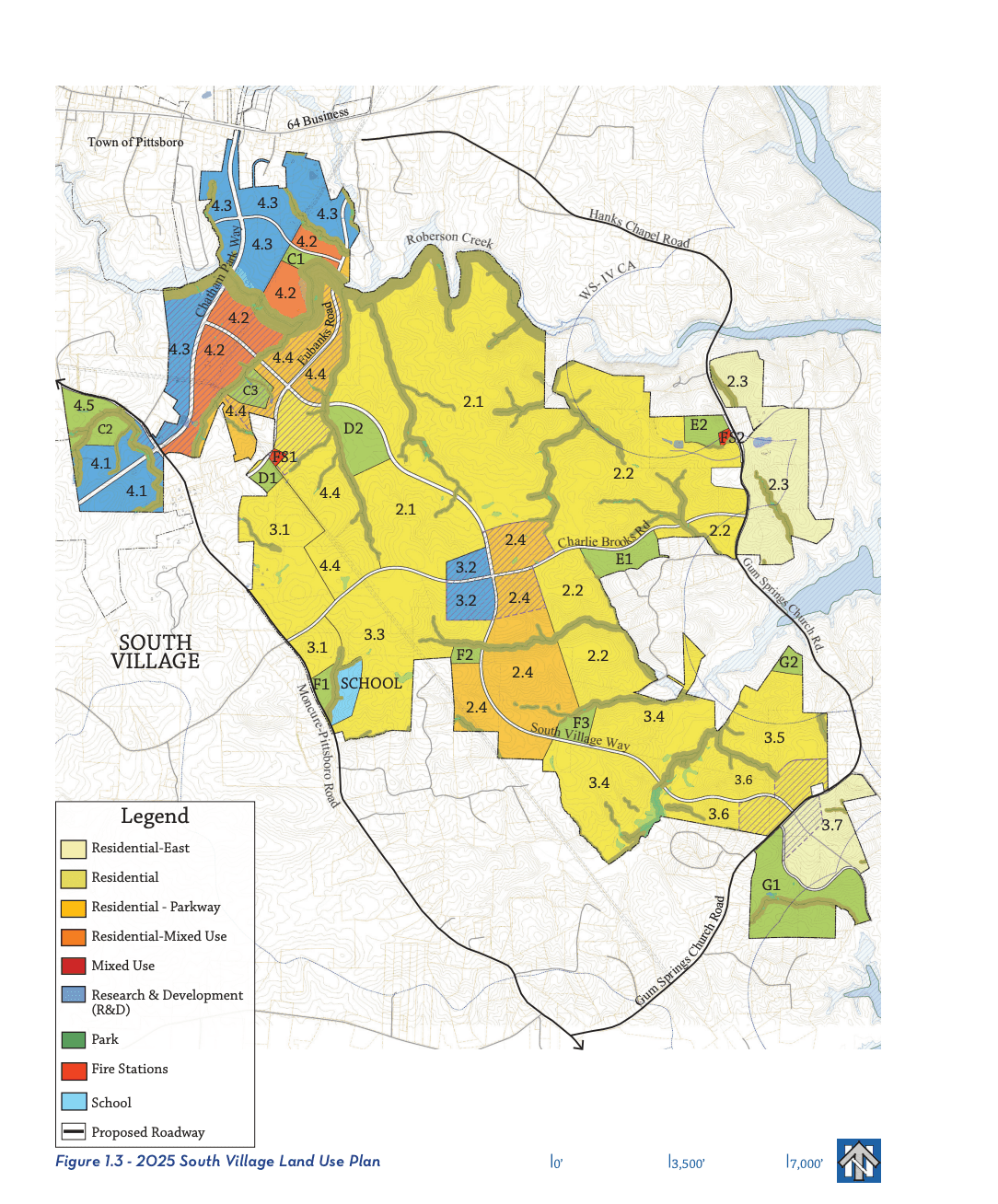
Pittsboro is staring at a growth shock that could remake nearly every public system it has. Chatham Park, the 7,100-acre master-planned district approved by the Pittsboro Board of Commissioners on Aug. 10, 2015, is expected to push the town toward 60,000 people when fully built out, up from 4,537 in the 2020 census.
That scale is extraordinary for a town founded in 1787 and long shaped by agriculture, then furniture and clothing manufacturing. The approved plan allows up to 22,000 residential units and as much as 22,000,000 square feet of non-residential development, a volume that reaches far beyond housing and into the basic mechanics of local government. Town documents tie the project to water, wastewater, schools, fire, police, roads, bike-pedestrian connections and transit planning, the core systems that determine whether growth can be absorbed or merely piled on.
The infrastructure questions have dogged Chatham Park for years. The North Carolina Department of Environmental Quality said Phase 1 of the wastewater plan was part of a two-phase approach to meet needs in a 20-year window, and that Phase 2 would likely require a regional wastewater treatment plant beginning in 2026. That timetable underscores the pressure on sewer capacity, water supply and road construction as the development expands near Jordan Lake and the Haw River.
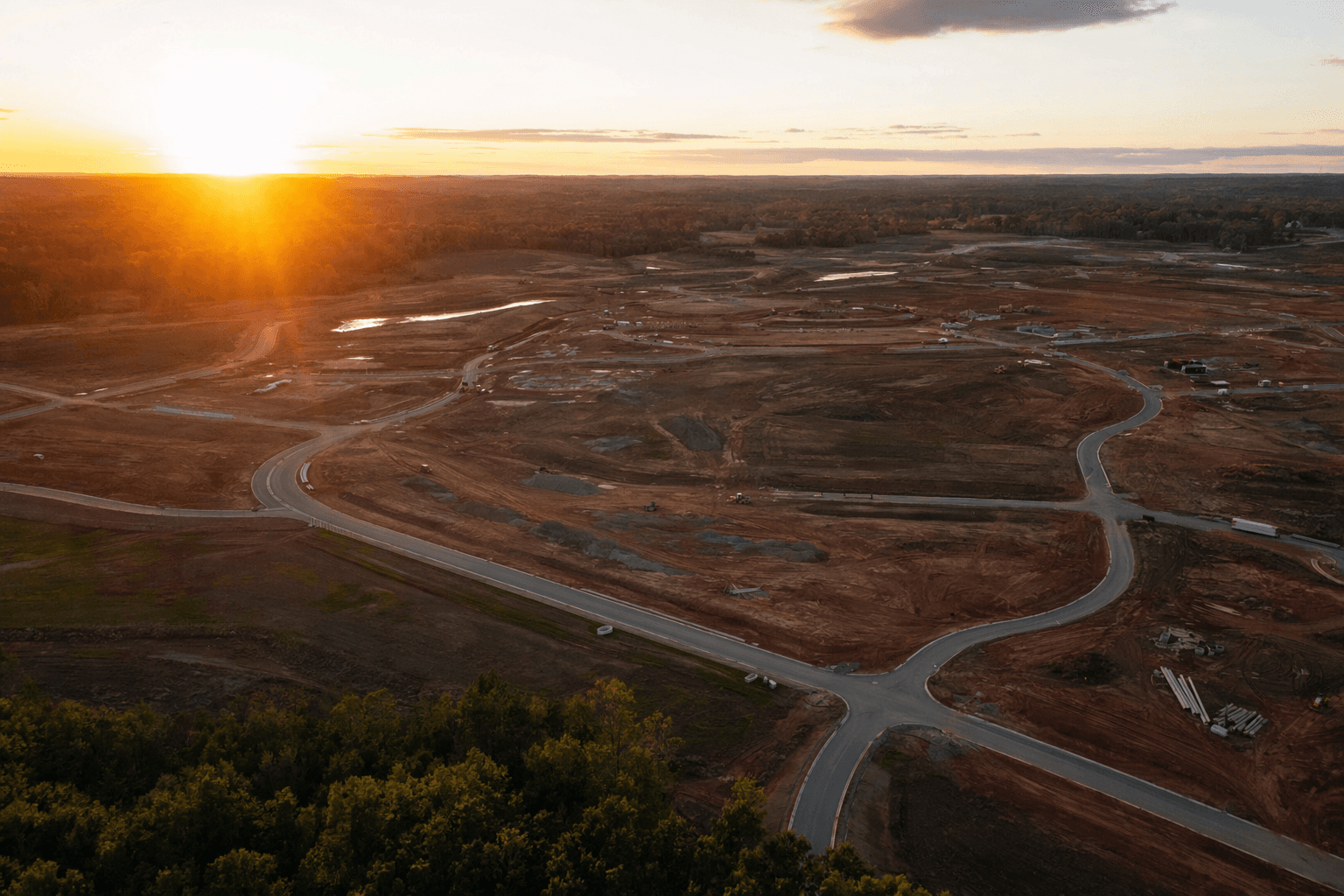
Those pressures have also sharpened political and environmental divides. Neighbors have challenged some road proposals, while environmental advocates have warned about impacts on forests, streams, flooding and Jordan Lake water quality. The Haw River Assembly has argued that the project is the largest development in North Carolina history and has pointed to the land and waters surrounding the Haw River basin as especially vulnerable.
Pittsboro has tried to adjust as the project advances. In February 2025, the town said it worked with the developer to update the affordable-housing element to better align with state and federal law and reduce the town’s financial liability. Later that year, the South Village small-area plan moved through a contentious process, with the Pittsboro Planning Board recommending denial in October before the town board approved it in November after debate over entitlements, infrastructure, fiscal impacts and governance.
The broader question now is whether Pittsboro can keep its identity while absorbing a project of regional ambition. Local reporting has linked Chatham Park and Disney’s Asteria to the next 25 years of change, and landowners began receiving offers roughly 15 years ago, showing how long the pressure has been building. For Pittsboro, the test is no longer whether growth will come. It is whether the town can govern it without losing the systems and character that made it a small town in the first place.
This article was produced by Prism’s automated news system from verified source data, official records, and press releases, then run through automated quality and moderation checks before publishing. The system is built and supervised by the people who set the standards it runs under. Read our full AI policy.
Did this article answer your question?

