Economists Warn U.S. Safety Net Is Unready for A.I. Job Losses
A.I. could trigger layoffs faster than the U.S. safety net can answer, even as most states cap unemployment insurance at 26 weeks and trade aid has already expired.
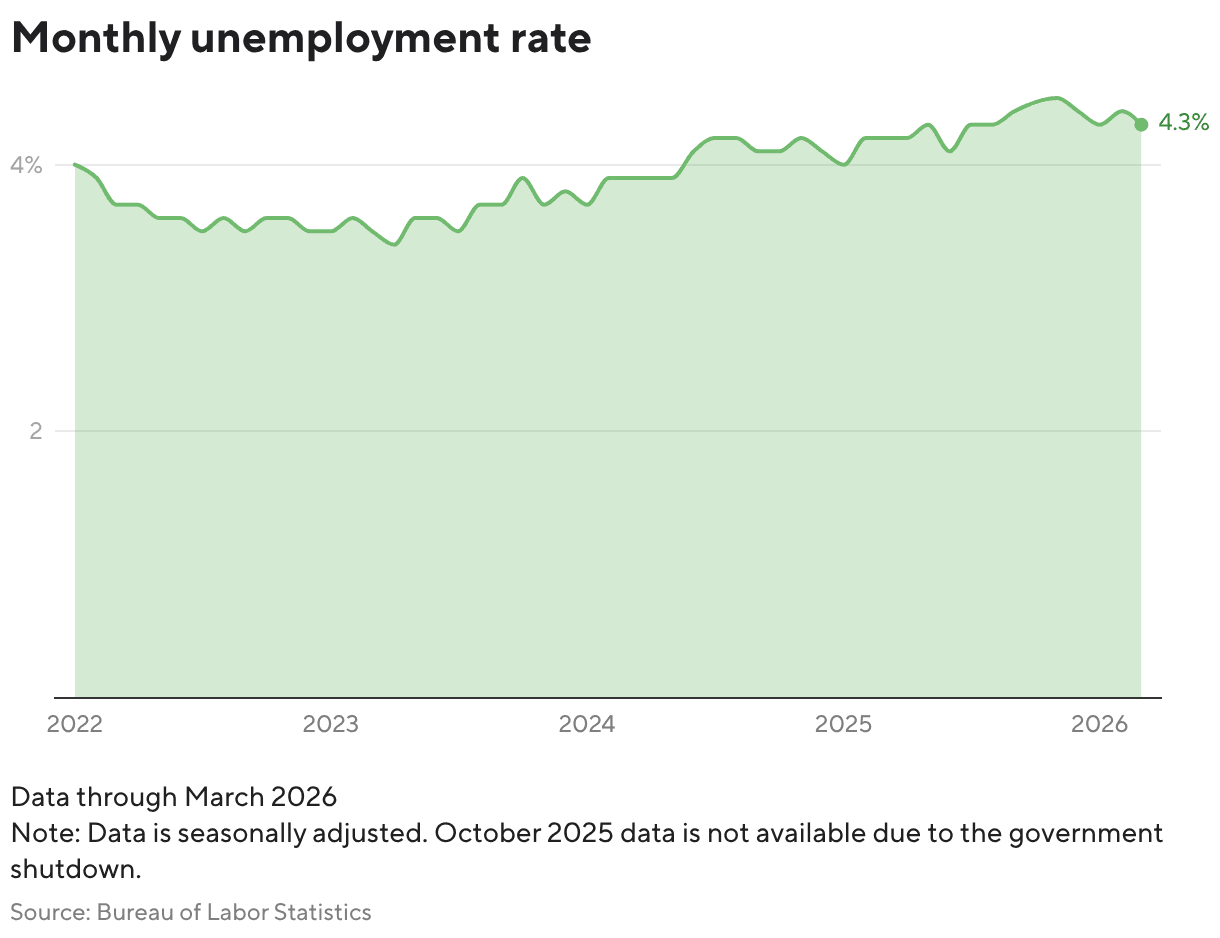
Economists say the biggest problem with an A.I. layoff wave is not just the number of workers affected. It is that the federal backstop was built for slower shocks, with unemployment insurance capped at 26 weeks in most states, claims generally filed where a worker was employed, and eligibility tied to state rules and prior earnings.
That mismatch is especially stark for workers who lose jobs to automation rather than a plant closing or a trade shock. The Trade Adjustment Assistance for Workers program, once a major source of job-search help, retraining and income support for workers hurt by imports, expired on July 1, 2022. The Labor Department says it can no longer accept new petitions or issue new determinations, though workers certified and separated on or before June 30, 2022, may still qualify for benefits and services.
The main remaining federal program for displaced workers, the Dislocated Worker program under the Workforce Innovation and Opportunity Act, still offers services through American Job Centers. But policy experts say that system was designed for mass layoffs and other traditional disruptions, not the faster, less predictable pattern of A.I.-driven job loss now being modeled by economists and lawmakers.

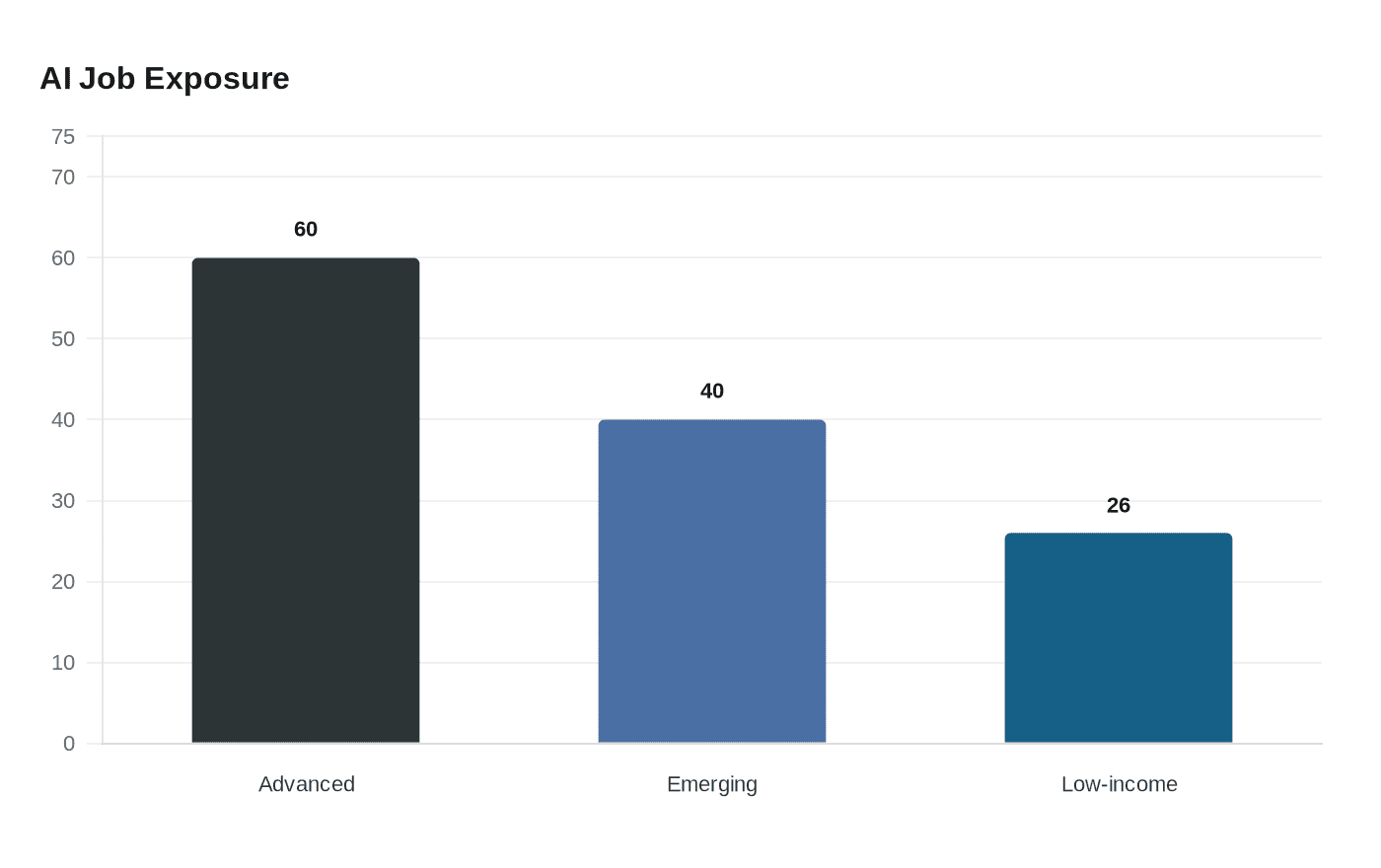
The scale of the exposure is hard to ignore. Goldman Sachs estimated in 2023 that generative A.I. could expose the equivalent of 300 million full-time jobs to automation, and that roughly two-thirds of U.S. occupations are exposed to some degree. The International Monetary Fund said in 2024 that about 60% of jobs in advanced economies are exposed to A.I., with roughly half of those likely to be negatively affected; it put exposure at about 40% in emerging markets and 26% in low-income countries.
That is why the policy debate has shifted from whether A.I. will change work to whether the government can document and respond quickly enough when it does. In 2025, Sens. Mark Warner and Josh Hawley introduced the AI-Related Job Impacts Clarity Act, which would require companies and federal agencies to report A.I.-related layoffs, reduced hiring, retraining and other workforce effects to the Labor Department on a quarterly basis.
Researchers and policy groups argue the missing pieces are not limited to cash benefits. They want better data on where A.I. is hitting first, faster retraining that matches new job demand, and automatic supports that can scale when displacement spikes. Without those changes, the safety net remains built for a labor market that moves much more slowly than the technology now reshaping it.
This article was produced by Prism’s automated news system from verified source data, official records, and press releases, then run through automated quality and moderation checks before publishing. The system is built and supervised by the people who set the standards it runs under. Read our full AI policy.
Did this article answer your question?

