Chevron and Quantum Preparing $22 Billion Bid for Lukoil Assets
Sources say Chevron and private equity firm Quantum Energy Partners prepared a joint bid on Jan. 7 for Lukoil’s international, non-Russian assets, a package valued at roughly $22 billion. If completed, the transaction would reshape ownership in global downstream and production markets and trigger regulatory and geopolitical scrutiny across multiple regions.
-fb60b6d481e63c1ed36f4b99cf503dd8.jpg&w=1920&q=75)
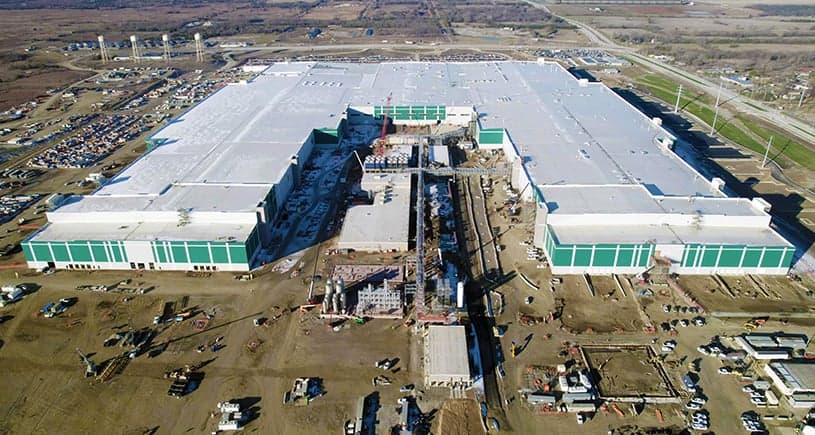
On Jan. 7, people briefed on the matter said Chevron and Quantum Energy Partners were preparing a joint offer to acquire Lukoil’s entire non-Russian portfolio, a sprawling package of upstream, refining and retail assets valued at about $22 billion. The assets reportedly include oil and gas production fields, refineries and more than 2,000 filling stations spread across Europe, Central Asia, the Middle East, Asia and the Americas, and would be divided between the partners if a deal proceeds.
The proposed bid is organized around Quantum’s newly formed acquisition vehicle, Artemis Energy, which sources describe as the private equity group’s upstream platform. Under the reported architecture, Artemis would lead the purchase process with Chevron providing capital, operational scale and downstream integration for parts of the portfolio. The plan to split assets is presented as a way to combine Quantum’s dealmaking flexibility with Chevron’s capacity to operate complex international businesses.
Market reaction was muted but negative on the initial news. Chevron shares fell about 0.7 percent to $155.42 as investors weighed the scale and implications of the potential acquisition, reflecting concerns about integration costs and political risk. Energy sector benchmarks also showed modest pressure as markets absorbed the prospect of a major ownership transfer of assets formerly held by a major Russian producer.
Chevron issued a limited public comment on the matter. A company spokesperson said: "Chevron has a diverse exploration and production portfolio globally and continues to assess potential opportunities," while declining to comment on commercial matters. Other parties approached for comment did not immediately respond.
Several other buyers and suitors are reported to have examined or expressed interest in parts of Lukoil’s international footprint. Saudi Midad Energy has been cited as a contender, private equity firm Carlyle Group previously engaged in talks that later stalled, and global majors including ExxonMobil are understood to be monitoring options without lodging formal bids. European downstream players such as Hungary’s MOL and Emirati groups including International Holding Company have also surfaced among interested parties. The breadth of potential bidders underscores strong appetite for assets that secure refining capacity, retail networks and geographically diversified production outside Russia.

The timing and final terms remain unclear. No formal bid documents, binding offers or precise asset allocations have been disclosed. Key questions include which assets Chevron would retain versus those Quantum or Artemis would operate, the financing plan for a transaction of this scale, and how regulators in relevant jurisdictions will treat a cross-border transfer of energy infrastructure that once belonged to a sanctioned country’s firm.
Strategically, the deal would be one of the largest energy transactions since Western sanctions reshaped global oil markets following Russia’s 2022 invasion of Ukraine, and would mark a significant reallocation of assets away from Russian corporate control. Policymakers will likely scrutinize ownership pledges, operational continuity and national security implications in markets where refining and retail networks are critical. For investors, the prospect highlights growing convergence between major oil companies and private equity as they seek scale, downstream channels and geographic diversification in a transition-era energy landscape.
Next steps depend on whether buyers lodge formal offers and how quickly regulators and counterparties can complete due diligence. The coming weeks will determine whether the reported plan evolves into a binding transaction or remains an exploratory strategic option.
This article was produced by Prism’s automated news system from verified source data, official records, and press releases, then run through automated quality and moderation checks before publishing. The system is built and supervised by the people who set the standards it runs under. Read our full AI policy.
Did this article answer your question?