Chevron expands Venezuela oil foothold in new asset swap deals
Chevron widened its stake in Venezuela’s Petroindependencia to 49% and swapped away offshore gas rights, sharpening its bet on heavy oil as sanctions ease and output rules loosen.
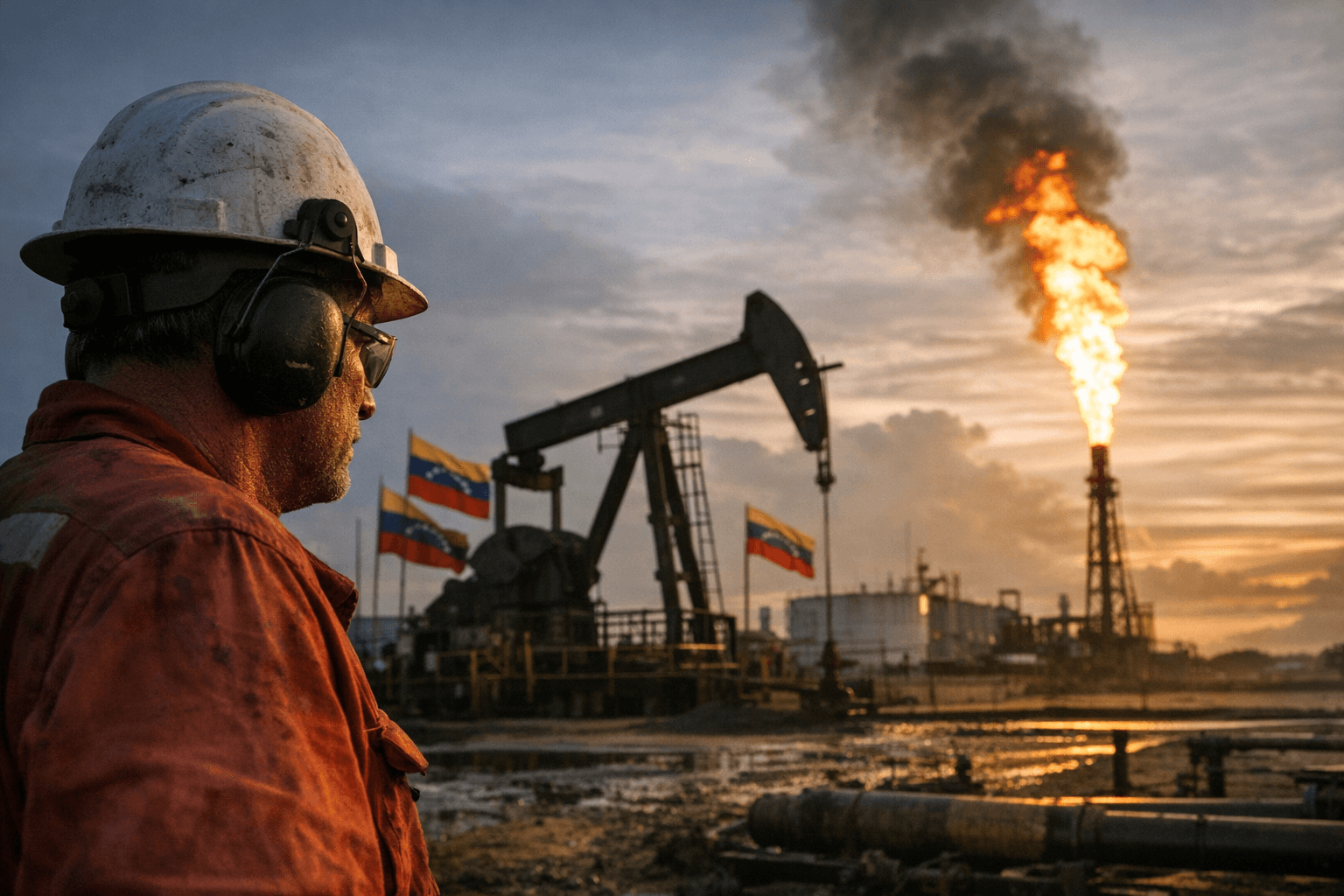
Chevron deepened its Venezuela footprint by raising its stake in Petroindependencia to 49% from 35.8% and taking rights to develop Ayacucho 8 for Petropiar, a move that shifts the company further toward the Orinoco Belt’s heavy crude while handing over a set of gas and smaller oil interests elsewhere in the country.
Under the asset swap announced April 13, Venezuela received Chevron’s 60% operated interest in Plataforma Deltana Block 2 and its 100% operated interest in Block 3, along with Chevron’s 25.2% non-operated interest in Petroindependiente, the western Venezuela joint venture. Block 2 contains the Loran gas discovery and Block 3 contains the Macuira gas discovery. In return, Chevron secured a larger position in Petroindependencia and access to Ayacucho 8, a producing asset near Petropiar that the company said should improve development efficiencies.
The deal puts Chevron even more squarely into the part of Venezuela’s oil sector that matters most for output and revenue. Petropiar and Petroindependencia both produce extra-heavy crude in the Orinoco Oil Belt, and Chevron said its presence in the country dates back to 1923. The agreements were signed with acting President Delcy Rodriguez and Chevron executives led by Javier La Rosa, the company’s head of Base Assets and Emerging Countries, underscoring how central the U.S. major remains to Venezuela’s oil recovery effort.
Chevron’s joint ventures with Petroleos de Venezuela S. A. are already producing about 260,000 barrels a day, roughly a quarter of Venezuela’s total output. Chevron has said production in the country could rise by about 50% over the next two years within its current footprint, a sizable gain for a producer still constrained by years of underinvestment, sanctions pressure and decaying infrastructure. For Caracas, the appeal is immediate: more output, more cash flow and a clearer path to tapping the country’s heaviest barrels.
The timing also reflects a broader reset in the risk calculus around Venezuela. A sweeping reform of the country’s main oil law in January lowered taxes, expanded the oil ministry’s control while giving private producers more autonomy, and opened the door to asset transfers and outsourcing. Those changes followed a $100 billion U.S. reconstruction plan for the energy sector and a sanctions easing step, creating room for foreign companies to test how far they can rebuild positions inside a politically fragile market.
The swap also shows what Chevron is willing to give up. By shedding offshore gas exposure, including the Loran field, the company is concentrating on assets closer to its existing heavy-oil system. Shell is expected to pursue a separate gas arrangement around Loran, suggesting that major Western energy firms are again sorting through Venezuela’s opportunities block by block, with each one carrying both commercial promise and political risk.
This article was produced by Prism’s automated news system from verified source data, official records, and press releases, then run through automated quality and moderation checks before publishing. The system is built and supervised by the people who set the standards it runs under. Read our full AI policy.
Did this article answer your question?

