IMF cuts global growth forecast, warns Middle East conflict could deepen slowdown
The IMF cut 2026 growth to 3.1% and warned the Iran war could push inflation to 5.4% if oil flows through the Strait of Hormuz stay disrupted.
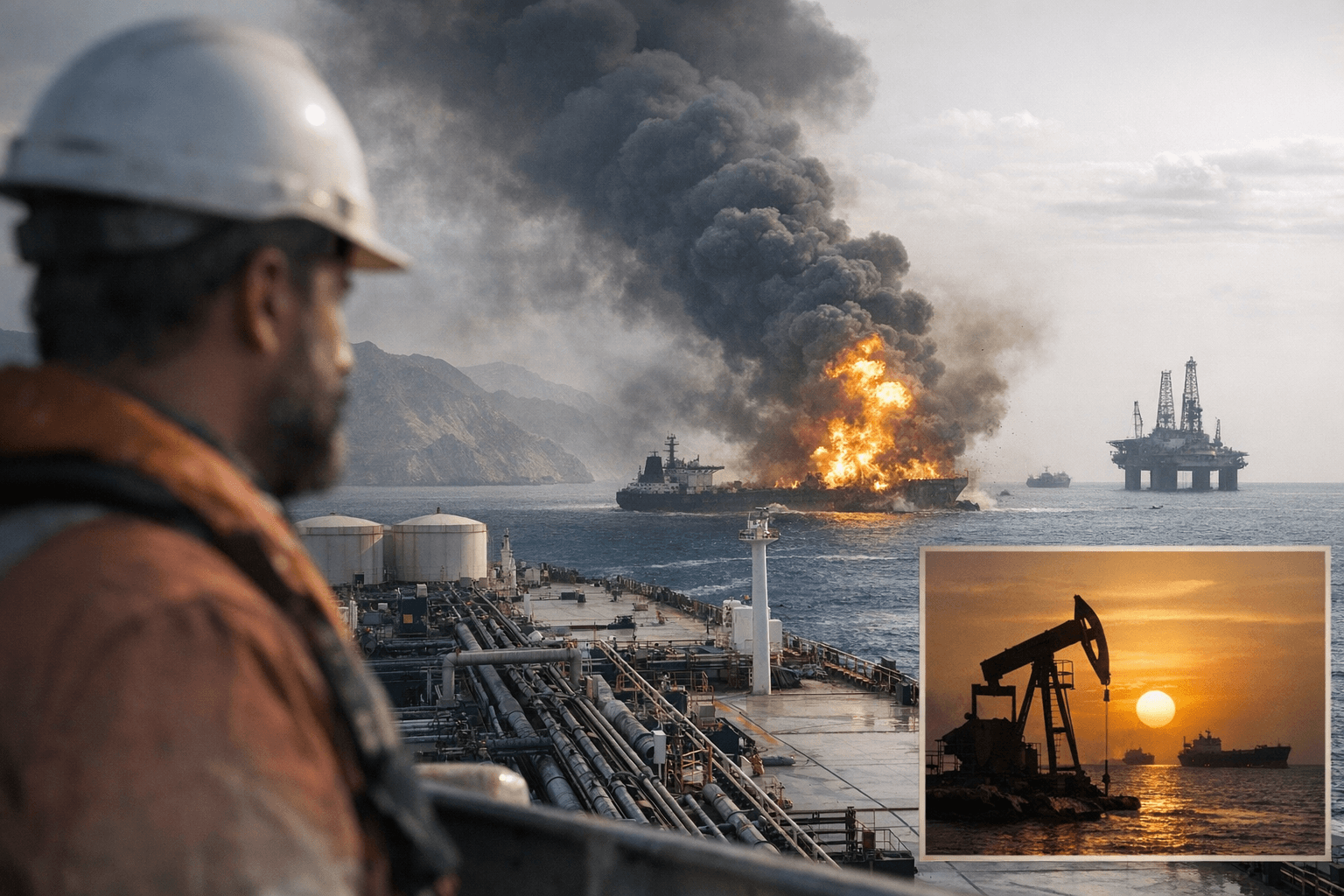
The International Monetary Fund cut its 2026 global growth forecast to 3.1 percent and raised its inflation outlook to 4.4 percent, saying the Iran war had already knocked the world economy off the growth path it had expected to carry into the year.
In its April 14 World Economic Outlook update, the fund said the conflict had halted momentum that was building before the fighting began and warned that the risk to the global economy now runs through three channels at once: higher oil and other commodity prices, the threat of wage-price spirals and tighter financial conditions as investors pull back. The IMF based its main forecast on a short-lived conflict and a 19 percent rise in energy commodity prices in 2026, but said that assumption is fragile.
If the shutdown of the Strait of Hormuz lasts longer and damage to drilling and refining facilities worsens, the IMF said global growth could slow to 2.5 percent and inflation could climb to 5.4 percent. In a severe case, growth would sink to 2 percent in both 2026 and 2027, while inflation would rise above 6 percent. The fund said a longer disruption would deepen and prolong the shock, making even baseline forecasts unusually uncertain.
The war has already changed economic behavior. Reuters reported that the conflict began on February 28, 2026, and that early hopes of restarting oil shipments were halted by the shutdown of the Strait of Hormuz. Nigeria said local petrol prices had jumped more than 50 percent and diesel more than 70 percent since the fighting began, even as higher crude prices lifted foreign exchange earnings. Germany approved 1.6 billion euros in fuel-price relief for consumers and businesses, while Sweden announced a package worth about $825 million that included fuel-tax cuts and higher electricity subsidies.
The IMF said the conflict is the third major shock to hit the world economy after the COVID-19 pandemic and Russia’s invasion of Ukraine. The timing adds to the strain: finance officials are gathering in Washington for the IMF and World Bank spring meetings, where the war is expected to dominate discussions. The fund also noted that private-sector activity had recently adapted to policy changes, helped by lower-than-expected U.S. tariffs, fiscal support, favorable financial conditions and a tech boom. That cushion is now thinner, and the IMF’s warning suggests the first measurable economic bill from the war is already arriving through oil, shipping, inflation and delayed investment.
This article was produced by Prism’s automated news system from verified source data, official records, and press releases, then run through automated quality and moderation checks before publishing. The system is built and supervised by the people who set the standards it runs under. Read our full AI policy.
Did this article answer your question?

