Chicago applicant sues Target after job offer rescinded over pending robbery charge
Courtney McElrath-Bey says Target rescinded a conditional offer for a warehouse/order-picker job after a background check flagged a pending robbery charge.

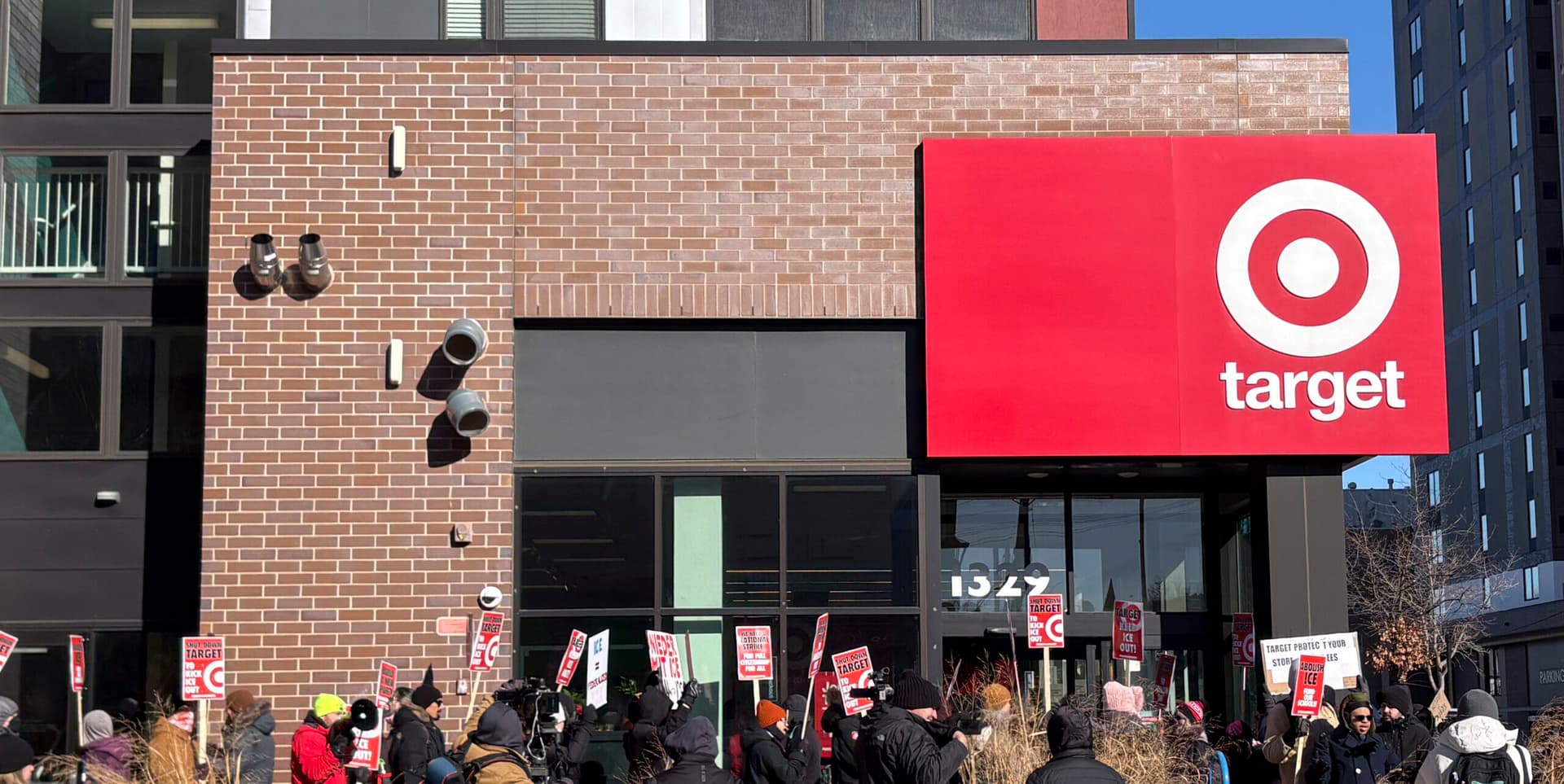
Courtney McElrath-Bey has filed a lawsuit alleging Target Corporation rescinded a conditional offer for a warehouse/order-picker role after a background check flagged a pending robbery charge. The complaint asserts the company relied on a criminal-background-check policy that plaintiffs say disproportionately disqualifies African-American and Latino applicants.
The suit joins earlier challenges by plaintiffs Carnella Times, formerly Carnella McDade, and Erving Smith. Times applied in August 2006 for an overnight stocker position at a new Target store in South Windsor, Connecticut and was given a conditional offer after multiple interviews, the filings say. Times informed Target personnel that she had a misdemeanor conviction from 1996; the complaint says she received a Target letter about a background check about a week after the conditional offer. Separate materials assert she has two decade-old misdemeanor convictions; other filings list a 1996 conviction, and records differ on whether an initial EEOC charge was filed in 2006 or 2007.
The procedural history for Times in the filings is detailed: Times’s EEOC charge was reportedly transferred from the Boston office to the Chicago office in 2009, the Equal Employment Opportunity Commission issued an adverse finding on August 4, 2011 stating there was “reasonable cause to believe that through the application of its background check policy, Target had discriminated against a class of applicants because of their race and national origin by denying them employment and/or refusing to consider them for employment,” and the EEOC issued a Notice of Right to Sue on September 14, 2015.
Erving Smith’s filing recounts a conditional Target offer that a store manager rescinded by phone; several weeks later Smith received a letter stating Target had obtained a consumer report and would not offer him employment “in whole or in part” because of information in that report. The Fortune Society describes Smith as having a decade-old drug-related felony. Smith is quoted in plaintiff materials saying, “I faced many challenges because of a conviction in my early twenties. But with perseverance, a great support system, and the opportunity to obtain a living wage, I have become a successful tax-paying member of society. Everyone deserves a second chance and I am happy that Target has agreed to offer qualified individuals jobs.”

The Fortune Society is named as an organizational plaintiff, alleging Target’s hiring practices harm its clients who are seeking reentry employment. Counsel identified in filings include the NAACP Legal Defense Fund and Outten & Golden LLP; Outten & Golden is described in the materials as an employment and civil rights firm with more than 60 attorneys and offices in New York, Washington DC, San Francisco, and Chicago. Greater Hartford Legal Aid is listed in some materials as having filed an initial charge on Times’s behalf.
The complaint filed by McElrath-Bey ties a recent rescission allegation to long-running claims dating to the mid-2000s and an EEOC adverse finding in 2011. Plaintiffs and organizational counsel have framed the litigation as a test of Target’s criminal-background-check practices and their disparate impact on applicants of color.
Know something we missed? Have a correction or additional information?
Submit a Tip