China and Pakistan deepen strategic ties, seek broader CPEC investment
China and Pakistan widened CPEC’s scope to welcome third-party investment, signaling a more flexible corridor and a deeper Chinese footprint in South Asia.
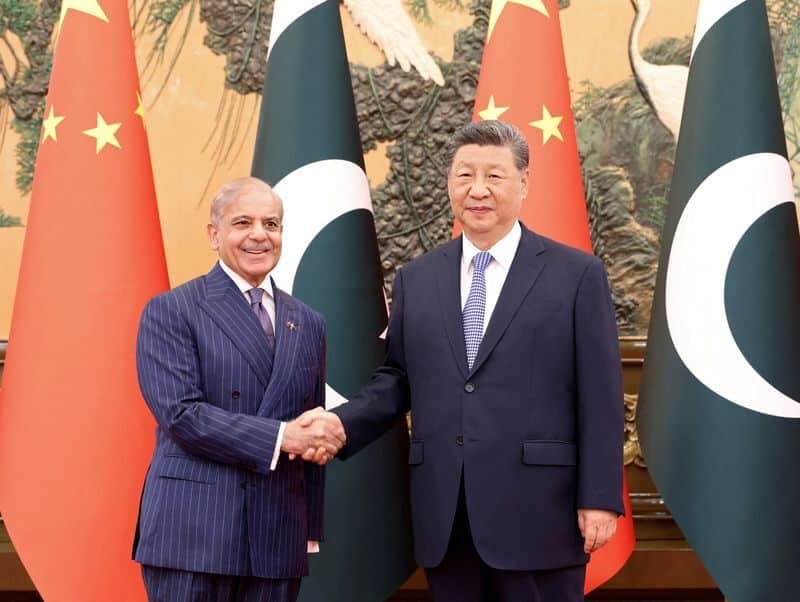
China and Pakistan used Shehbaz Sharif’s visit to Beijing to signal that the China-Pakistan Economic Corridor is moving into a broader phase, with both governments agreeing to promote “high-quality development” of the flagship project and welcome participation by third parties. The joint statement marked a notable shift in tone: beyond reaffirming the strategic partnership, it pointed to a corridor that could be repackaged for outside capital, new sectors and a wider set of regional ambitions.
Sharif’s official trip ran from May 23 to May 26, 2026, and was tied to the 75th anniversary of diplomatic relations between the two countries. Pakistan’s Ministry of Foreign Affairs said the prime minister would meet Xi Jinping and Li Qiang in Beijing and also chair a Pakistan-China business conference in Hangzhou focused on IT and telecom, battery energy storage systems and agriculture. That mix of political meetings and sector-specific investment pitches shows how both sides are trying to move CPEC beyond roads and power plants into technology, modern logistics and farm productivity.

The timing of the trip was reinforced by a burst of anniversary diplomacy. On May 21, Xi and Asif Ali Zardari exchanged congratulatory messages, while Li said China was ready to advance the upgraded Version 2.0 of CPEC. Pakistan’s parliament unanimously passed resolutions on May 20 to mark 75 years of ties, reaffirm support for the One-China policy and back CPEC. A Chinese delegation led by Cai Dafeng arrived in Islamabad the same day for commemorative events, underscoring how tightly the anniversary campaign was synchronized on both sides.
The most consequential language, however, came earlier. On May 15, Mohammad Ishaq Dar and Wang Yi endorsed finalizing the modalities for third-party participation in CPEC during their strategic dialogue in Beijing. Dar said the next phase of the corridor would focus on corridors of growth, livelihood, innovation, green development and inclusivity, and identified the Main Line-1 railway, Gwadar Port development and the Karakoram Highway realignment as priorities, alongside agriculture, mining, minerals, energy, IT and industry. That gives CPEC 2.0 a clearer list of likely buildout areas, even if the latest joint statement did not announce specific new projects.
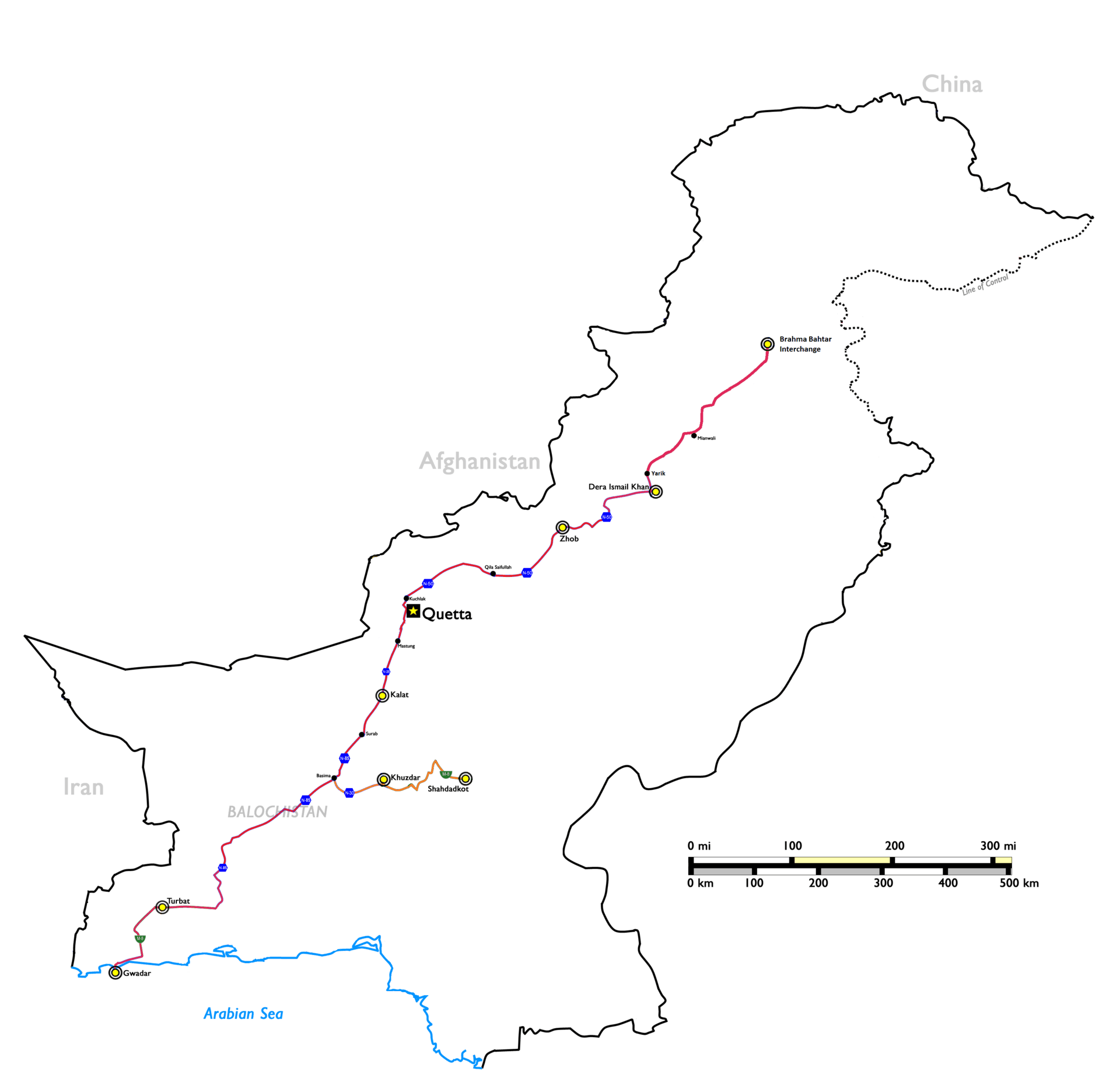
For India, the message is strategic as much as economic. A more open, investment-friendly CPEC extends China’s commercial and security reach deeper into Pakistan, including toward Gwadar and the Arabian Sea, while sharpening infrastructure competition across South Asia. For Beijing, the corridor remains more than a transport link: it is a long-term foothold in a key transit space, one that can carry trade, industrial supply chains and political influence as both countries seek stability in a more contested regional environment.
This article was produced by Prism’s automated news system from verified source data, official records, and press releases, then run through automated quality and moderation checks before publishing. The system is built and supervised by the people who set the standards it runs under. Read our full AI policy.
Did this article answer your question?


