China and Russia deepen ties as trade hits record, payments strain relations
China-Russia trade hit a record 1.74 trillion yuan in 2024, but payment frictions and sanctions exposed the limits of a partnership built on energy and leverage.
Trade between China and Russia reached a record 1.74 trillion yuan, or about $237 billion, in 2024, but the headline masked a more fragile problem: payments and settlements have become the main bottleneck in a relationship both capitals say is too important to fail.
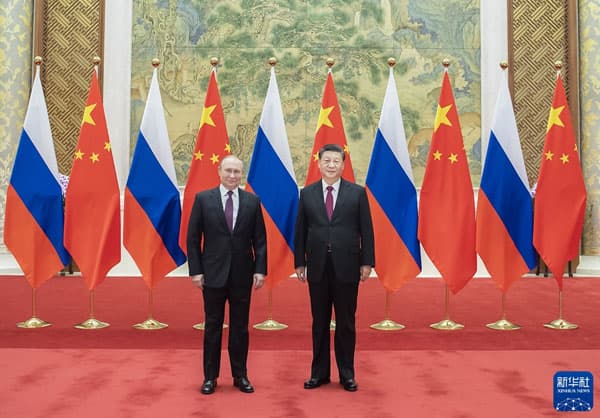
The strain sits inside a partnership that was formally elevated on February 4, 2022, when Vladimir Putin visited Beijing at Xi Jinping’s invitation and the two sides issued a joint statement describing ties as a comprehensive strategic partnership of coordination for a new era. That meeting in Beijing came just weeks before Russia’s full-scale invasion of Ukraine, and the war transformed China into an economic lifeline for Moscow as Western sanctions narrowed Russia’s options.
The trade numbers show both the scale of that dependence and its limits. Chinese customs data put bilateral commerce at a record 1.74 trillion yuan in 2024, while another estimate placed the total at $244.8 billion. Reuters reporting said yuan-denominated trade grew 2.9 percent in 2024, far slower than the 32.7 percent surge in 2023. The slowdown reflected payment hurdles after the United States intensified sanctions on banks dealing with Russia, while Chinese exports to Russia also began feeling sanctions pressure last year.
Energy has remained the backbone of the relationship. Russia needs Chinese demand, Chinese financing channels and access to the world’s second-largest economy, while Beijing gains discounted resources and a major continental supplier. Yet Chinese companies have stayed cautious about putting money into Russia, limiting how far the economic partnership can deepen beyond trade in commodities, machinery and consumer goods.
Putin made the money problem explicit in December 2024, saying mutual payment settlements were the primary challenge to Russia-China trade. That problem has not broken the relationship, but it has clarified its terms: cooperation is expanding where both sides benefit, and stalling where exposure to sanctions or financial risk rises.
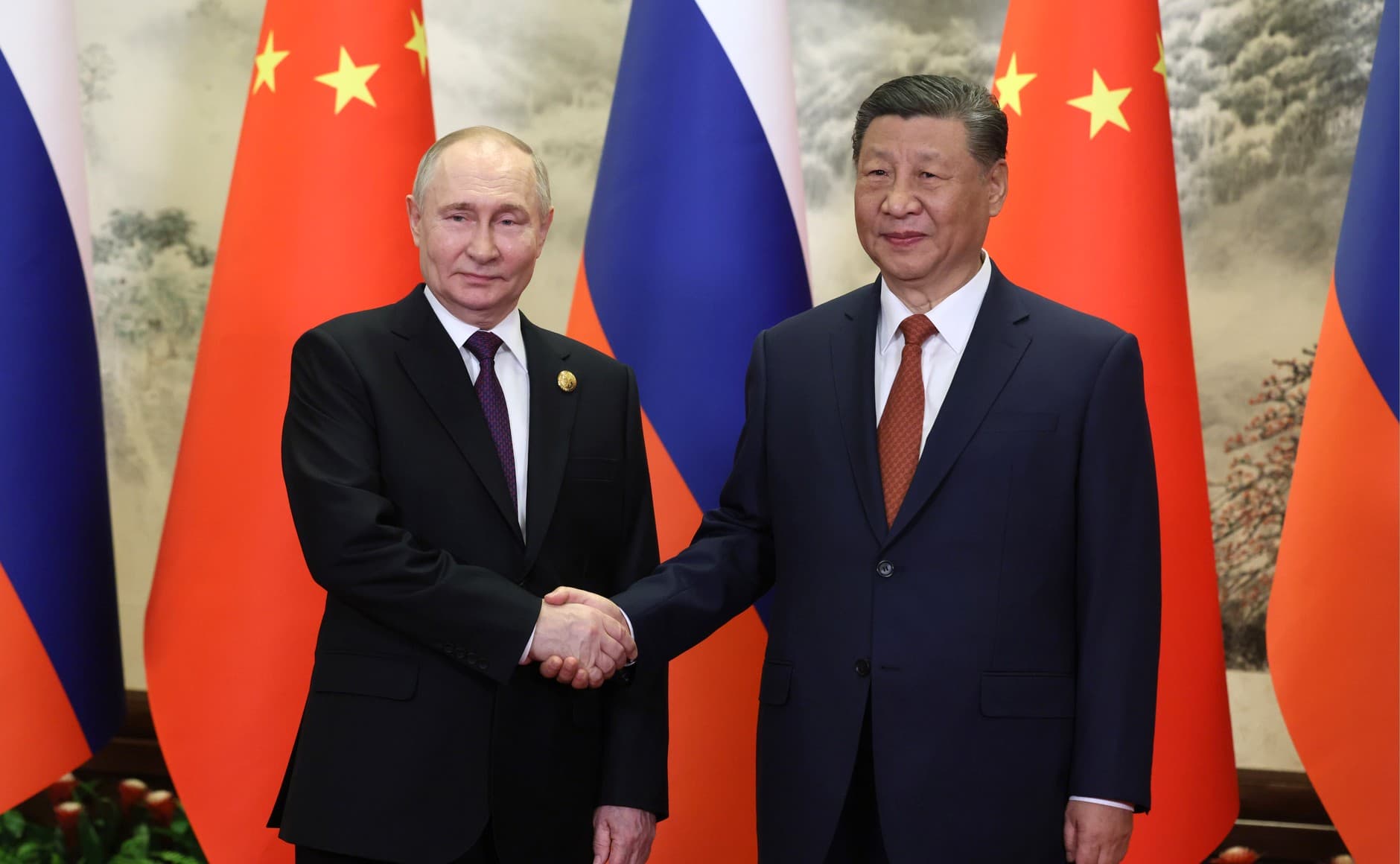
Xi and Putin reinforced that message in May 2025, signing a new joint statement and a package of cooperation documents covering investment, trade, energy, space and culture. They also used the occasion to reject the U.S.-led world order and cast Beijing and Moscow as central to an alternative geopolitical vision. Analysts continue to describe the relationship as closer than it has been in decades, but not a formal alliance, a transactional bond held together by shared opposition to Washington and by the simple fact that neither side can easily walk away.
This article was produced by Prism’s automated news system from verified source data, official records, and press releases, then run through automated quality and moderation checks before publishing. The system is built and supervised by the people who set the standards it runs under. Read our full AI policy.
Did this article answer your question?


