China approves large Nvidia H200 chip imports during CEO visit
China approved import clearances for the first batch of Nvidia H200 AI chips during Jensen Huang’s trip, easing data center constraints and raising strategic concerns.
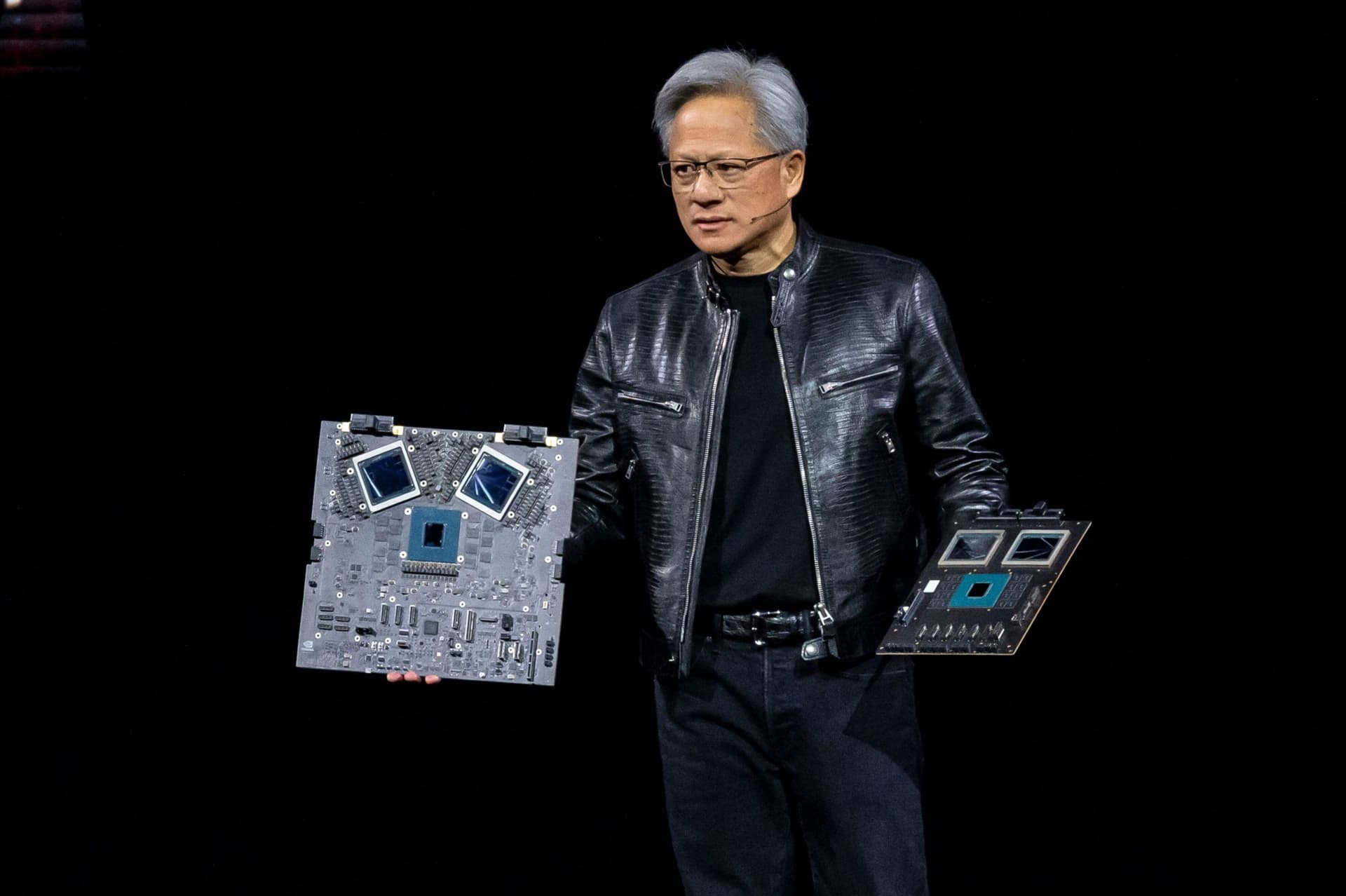
China granted import approvals for the first batch of Nvidia H200 artificial intelligence accelerators during Nvidia CEO Jensen Huang’s visit, clearing the way for what people familiar with the matter described as "several hundred thousand" units to enter the market. One source put the allocation at "more than 400,000" chips, an injection of computing capacity that industry officials say will immediately bolster the cloud and AI services of major Chinese firms.
The initial approvals were allocated mainly to three large internet groups, ByteDance, Alibaba Group and Tencent Holdings, according to sources who spoke on condition of anonymity. Officials have not issued a public statement confirming the allocations, and Nvidia did not respond to requests for comment. Companies identified by sources have not publicly detailed any shipments or delivery schedules.
Washington had already loosened some export restrictions late last year, permitting vetted Chinese firms to acquire H200 chips under strict controls, while keeping Nvidia’s most powerful Blackwell B200 accelerators off limits. Industry analysts note that the H200 sits one tier below the B200 in Nvidia’s hierarchy of data center processors, making it a strategic but less restricted option for Chinese cloud providers and AI labs. Earlier reporting has also suggested that higher-end chips have sometimes found their way to China through illicit channels, with estimates exceeding $1 billion in misdirected hardware in past years.
Chinese regulators face a fraught trade-off. Approving imports addresses immediate demand for large-scale AI training and inference, supporting web services, recommendation engines and generative AI products that power consumer and enterprise offerings. At the same time, Beijing continues to prioritize semiconductor self-reliance, aiming to shrink dependence on foreign suppliers over the longer term. Alex Capri, senior lecturer at the National University of Singapore business school, told reporters that the decision "is driven by purely strategic motives," reflecting a balance between short-term capability and long-term industrial policy.
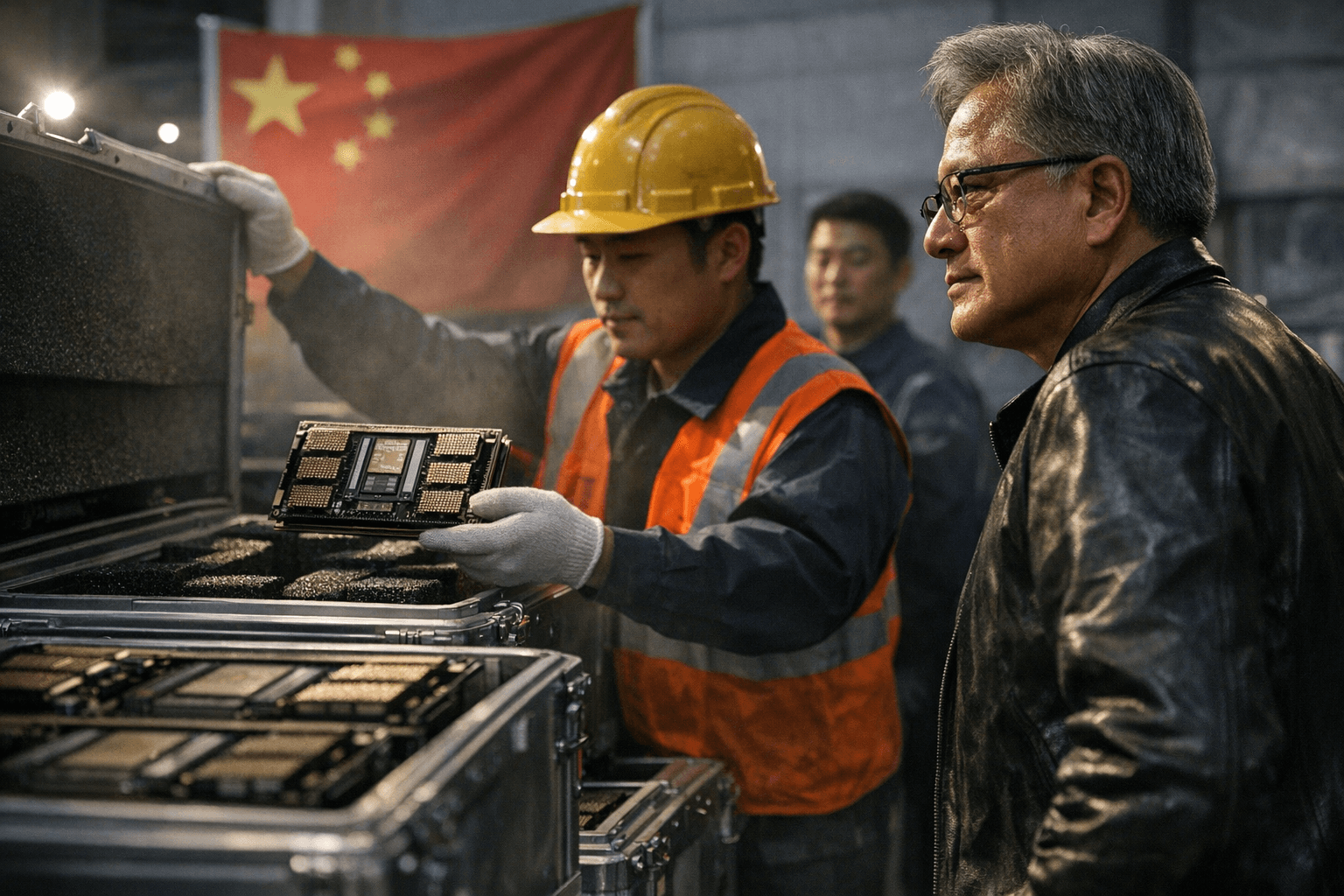
The government’s step is being treated as incremental rather than transformational. Several sources said additional firms have applied for H200 approvals and remain in a queue as regulators decide further allocations. Analysts caution that approvals can be partial and conditional, subject to compliance checks and geopolitical shifts. Investors responded modestly; market data showed Nvidia shares gaining roughly 1.1 to 1.5 percent in early trading after the reports surfaced, a muted reaction that mirrors the measured nature of the move.
Key questions remain unresolved. Neither the pricing nor the delivery timetable for the approved H200 units has been disclosed. The precise breakdown of how many chips each company will receive, the terms attached to their use, and the scope of future approvals were not detailed by sources. Regulators’ oversight mechanisms for verifying end use and preventing diversion will be critical to whether the shipments strengthen authorized AI development or contribute to circumvention risks.
For now, the approvals offer a window into how Beijing and industry players are navigating the intersection of geopolitics, commercial demand and national technology ambitions. The decision simultaneously eases constraints for Chinese AI development and underscores the continuing tension between opening markets to foreign hardware and cultivating a domestic semiconductors industry.
This article was produced by Prism’s automated news system from verified source data, official records, and press releases, then run through automated quality and moderation checks before publishing. The system is built and supervised by the people who set the standards it runs under. Read our full AI policy.
Know something we missed? Have a correction or additional information?
Submit a Tip