China backs IPOs for hydrogen, robotics and early-stage AI firms
Shanghai will back IPOs for hydrogen, robotics and large-model AI firms as Beijing channels public capital into tech self-sufficiency. The move ties listings to the 15th Five-Year Plan.
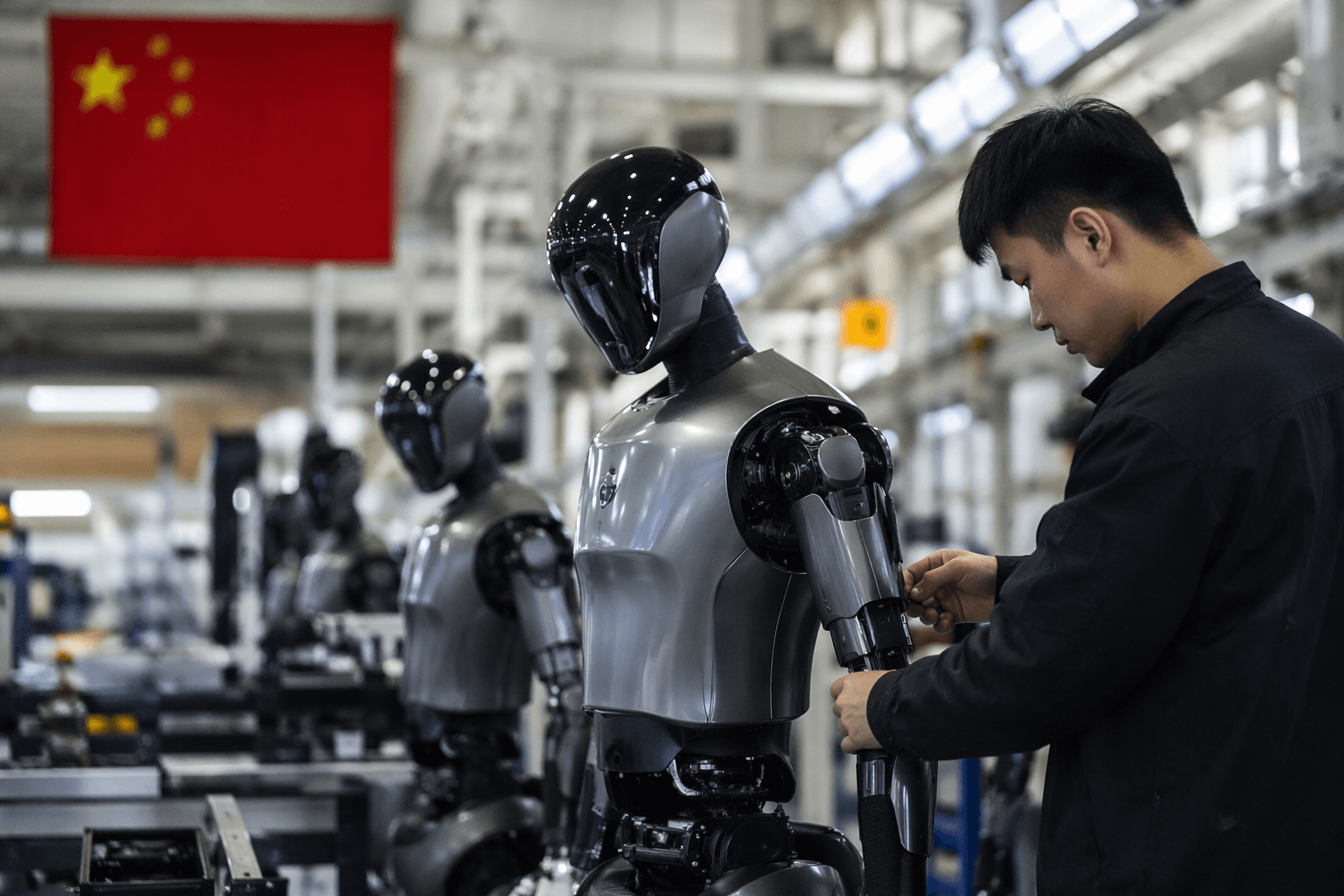
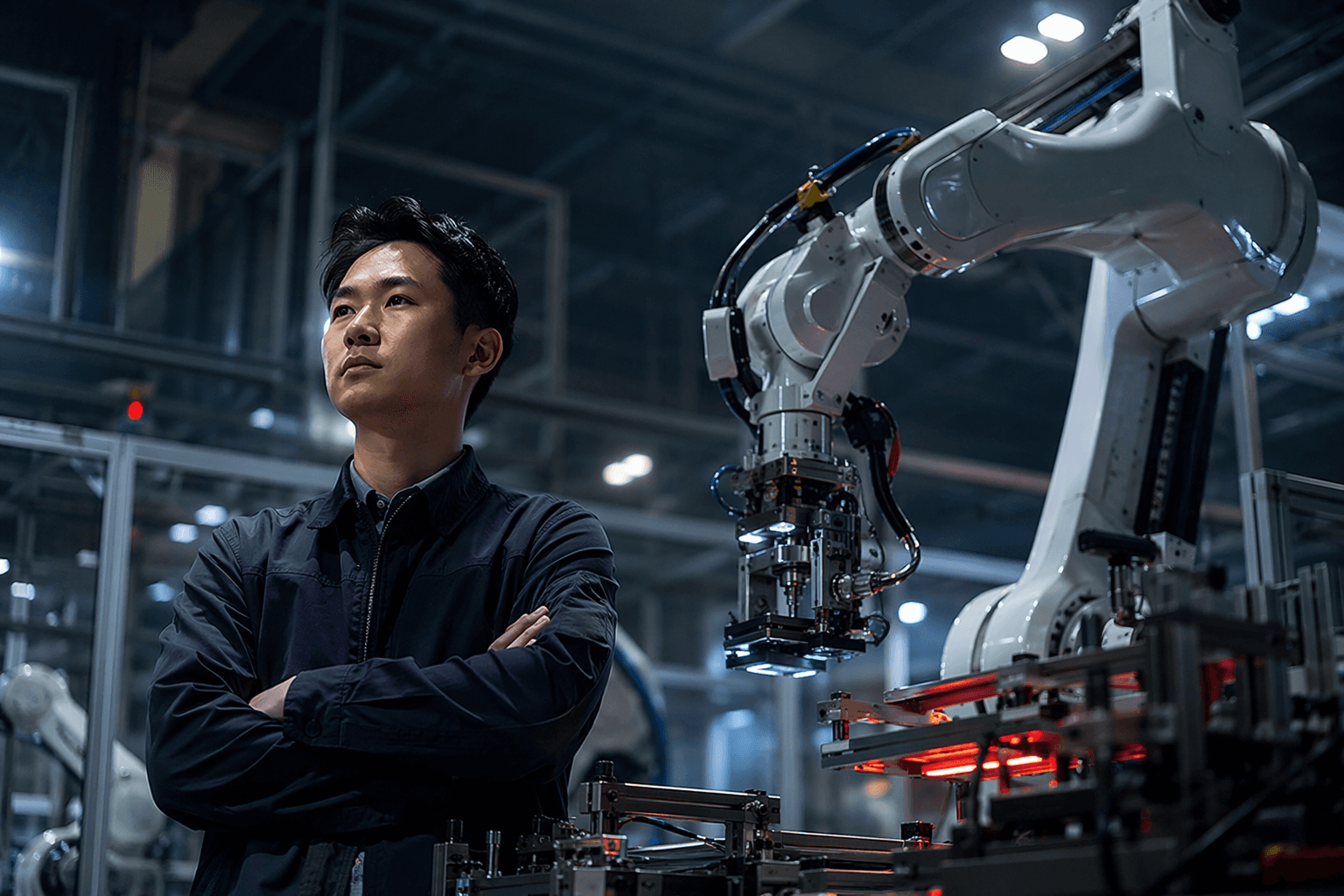
Shanghai’s stock exchange said supporting listings in emerging and future industries was a “major task,” putting hydrogen energy, biomedical engineering and robotics closer to the center of China’s capital markets strategy. The exchange also said it would back early-stage large-model companies, a clear sign that Beijing wants public markets to help finance the long, cash-heavy research cycles behind frontier AI as competition with the United States intensifies.
The message fits neatly into China’s next five-year economic blueprint. Official government coverage of the draft 15th Five-Year Plan said the country would accelerate strategic and emerging industries including new-generation information technology, new energy, new materials, intelligent connected new energy vehicles, robotics, biomedicine, high-end equipment, aviation and aerospace. State media coverage of the same plan went further, highlighting future industries such as quantum technology, biomanufacturing, hydrogen energy, fusion energy, brain-computer interfaces, embodied intelligence and sixth-generation mobile communications. In practice, that puts the Shanghai Stock Exchange in the role of industrial policy enabler, not just market operator.
The timing also matters. China’s top securities regulator urged the country’s $13 trillion fund industry on June 6 to support domestic innovation while warning against “concept hype.” Together, the messages point to a tighter policy push to steer capital toward productive technology bets and away from speculative themes. For early-stage AI firms and other hard-tech start-ups, that could mean a more reliable route to financing at a stage when private capital often turns cautious and profits remain years away.
The scale of the market shows why the policy could have real weight. The Shanghai Stock Exchange said on its official site that it had 2,317 listed companies and 2,355 listed securities as of June 16. Market commentary in June also described draft STAR Market rules that would make it easier for pre-profit AI, quantum and robotics firms to list, suggesting the latest signal may be part of a broader effort to widen the IPO pipeline for strategic sectors.
For Beijing, the appeal is strategic as much as financial. By directing capital toward hydrogen, robotics and large-model AI, China is trying to use its exchanges to strengthen domestic supply chains, speed semiconductor and advanced-manufacturing development, and compete more aggressively for global investor attention. The test now is whether policy support turns into filings, approvals and completed listings, or remains a signal of intent.
This article was produced by Prism’s automated news system from verified source data, official records, and press releases, then run through automated quality and moderation checks before publishing. The system is built and supervised by the people who set the standards it runs under. Read our full AI policy.
Did this article answer your question?