China better positioned as Hormuz crisis strains Asian economies
Hormuz flows fell by nearly 6 million barrels a day in early 2026, exposing Asia while China leaned on stockpiles, manufacturing strength and alliances.
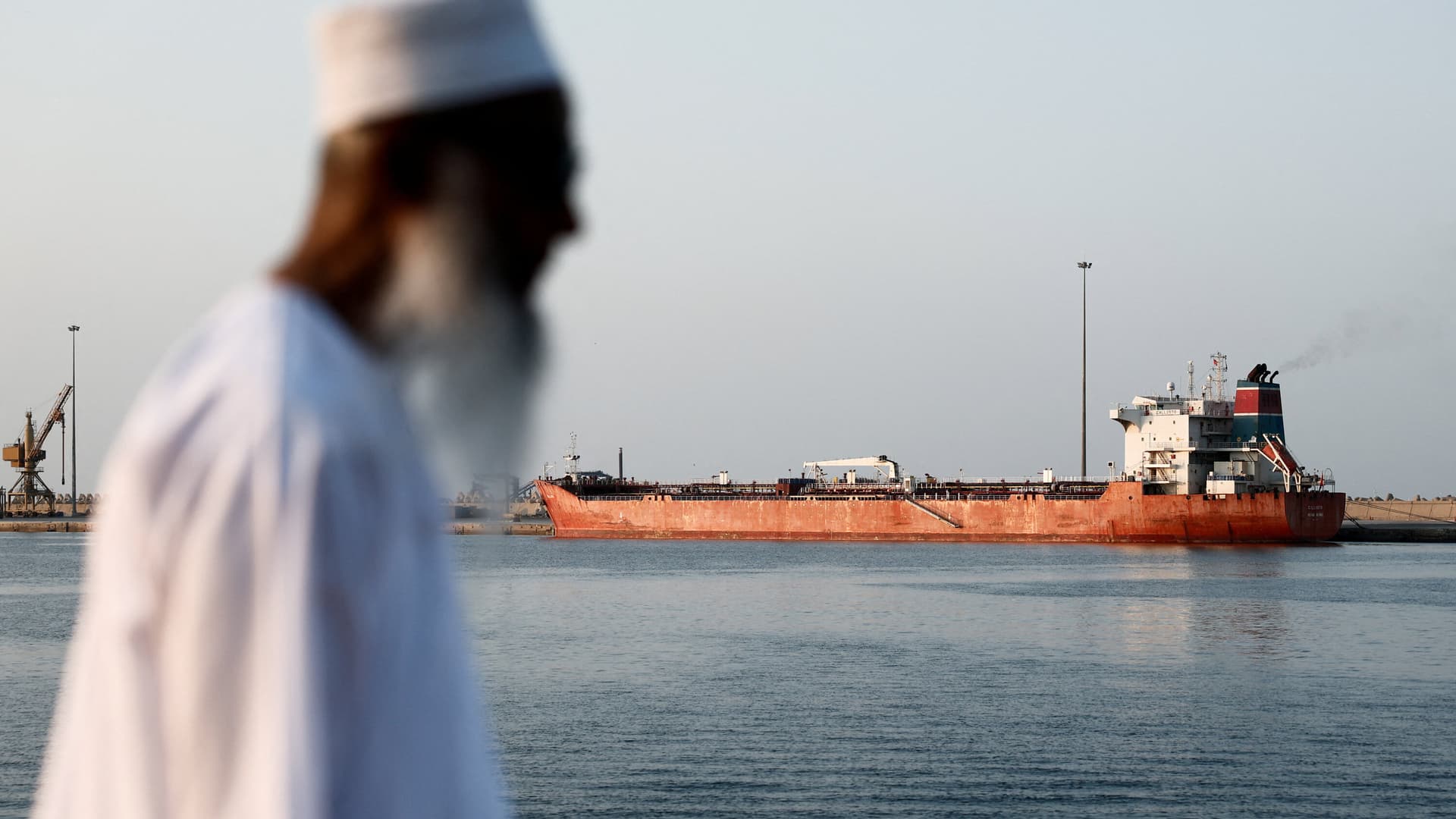
The Strait of Hormuz has turned into a brutal stress test for Asia’s energy security, cutting oil flows by about 6 million barrels a day in the first quarter of 2026 and exposing how heavily the region depends on a narrow waterway that normally carries about 20 million barrels a day. The U.S. Energy Information Administration said crude oil and petroleum liquids through the strait totaled 14.6 million barrels a day in that period, almost 30% lower year over year.
The shock has landed hardest in Asia, where about 90% of the crude moving through Hormuz is headed. The Philippines is among the most exposed cases: one analysis found it relied on the strait for 94% of its crude imports and had only about 45 days of stockpiles of crude oil and petroleum products when tensions intensified.

China faces the same chokepoint, but not the same level of vulnerability. A March 2026 CBS News report said about 40% of China’s oil imports pass through Hormuz, yet other assessments still place China among the Asian economies best able to absorb a prolonged closure because of decades of energy-resilience policy, large stockpiles, manufacturing depth and strategic partnerships. That combination matters when tanker traffic becomes uncertain and insurance, routing and freight costs rise together.
Beijing has also pressed for stability. On June 24, Foreign Minister Wang Yi called for the early restoration of normal navigation through the Strait of Hormuz in a phone call with Pakistan’s Foreign Minister Mohammad Ishaq Dar, saying global industrial and supply chains needed to stabilize.

The wider market picture remains volatile. Iran kept exporting about 2 million barrels a day of crude until the U.S. blockade began on April 13, and some vessels passed by paying an IRGC toll. The crisis has also revived older lessons in preparedness, from Saudi Arabia’s East-West Pipeline, built partly in response to the Iran-Iraq war, to Japan’s support for crude procurement tied to Vietnam’s Nghi Son Refinery through the POWERR Asia initiative.
This article was produced by Prism’s automated news system from verified source data, official records, and press releases, then run through automated quality and moderation checks before publishing. The system is built and supervised by the people who set the standards it runs under. Read our full AI policy.
Did this article answer your question?


