China blasts Japan, EU over South China Sea remarks at U.N. meeting
China’s U.N. envoy lashed out after Japan and the EU tied South China Sea tensions to global shipping rules, widening a maritime fight into a test of alignment.
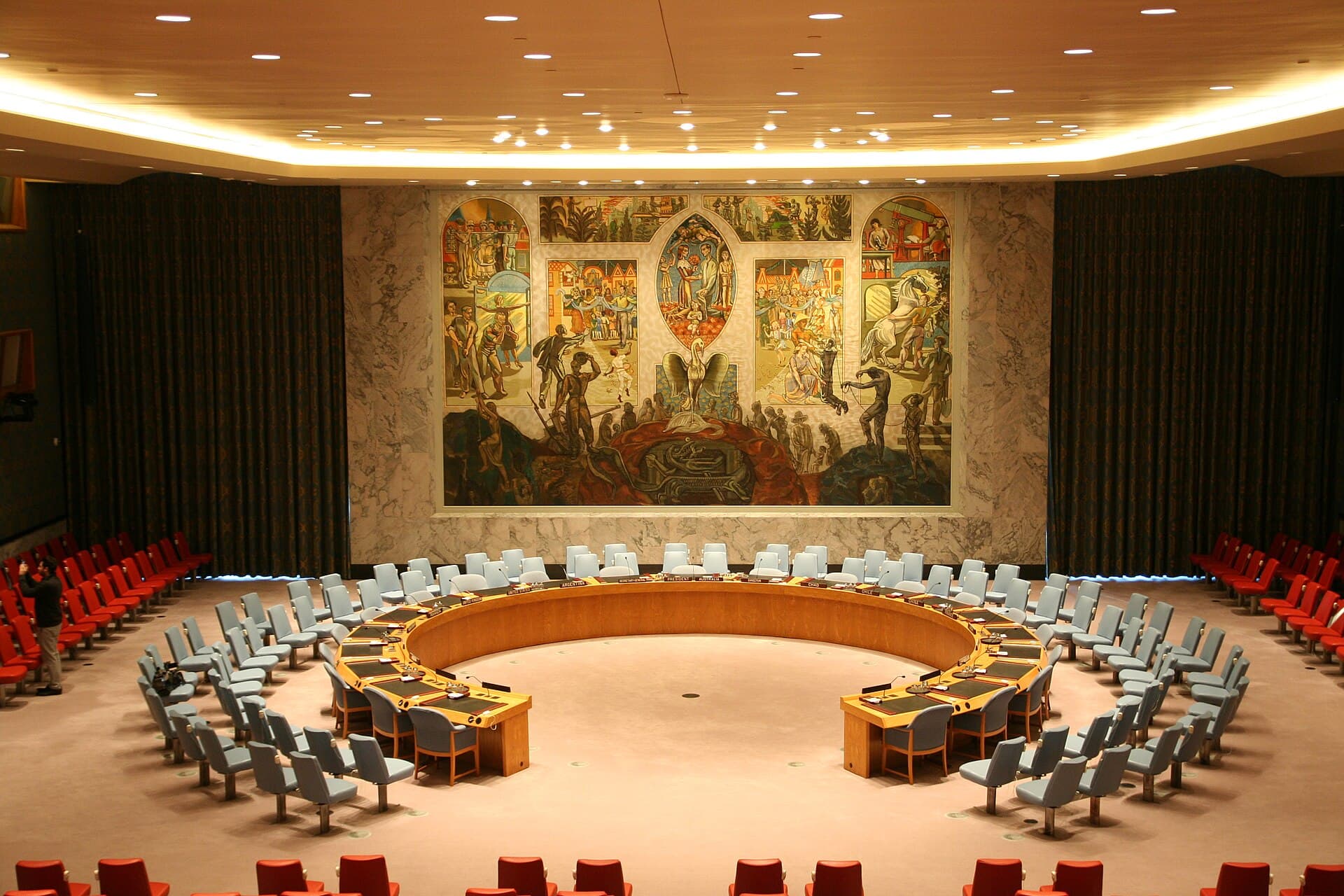
China used a U.N. Security Council debate on maritime security to sharply rebuke Japan and the European Union after both warned that tensions in the South China Sea threaten freedom of navigation, trade routes and the wider rules-based order. The exchange at the April 27, 2026 meeting in New York showed how disputes over Asian waters are now being argued in the language of global maritime law and diplomatic alignment, not just regional sovereignty.
The open debate, titled “The Safety and Protection of Waterways in the Maritime Domain,” was convened by Bahrain, which held the Council presidency in April and described the session as one of its signature events. U.N. Secretary-General António Guterres told the Council that “the safety of the world’s waterways has become a test of the international order itself,” while International Maritime Organization Secretary-General Arsenio Dominguez said the IMO has addressed maritime security in the shipping and port sector since the 1980s and now has mandatory standards aimed at improving it.
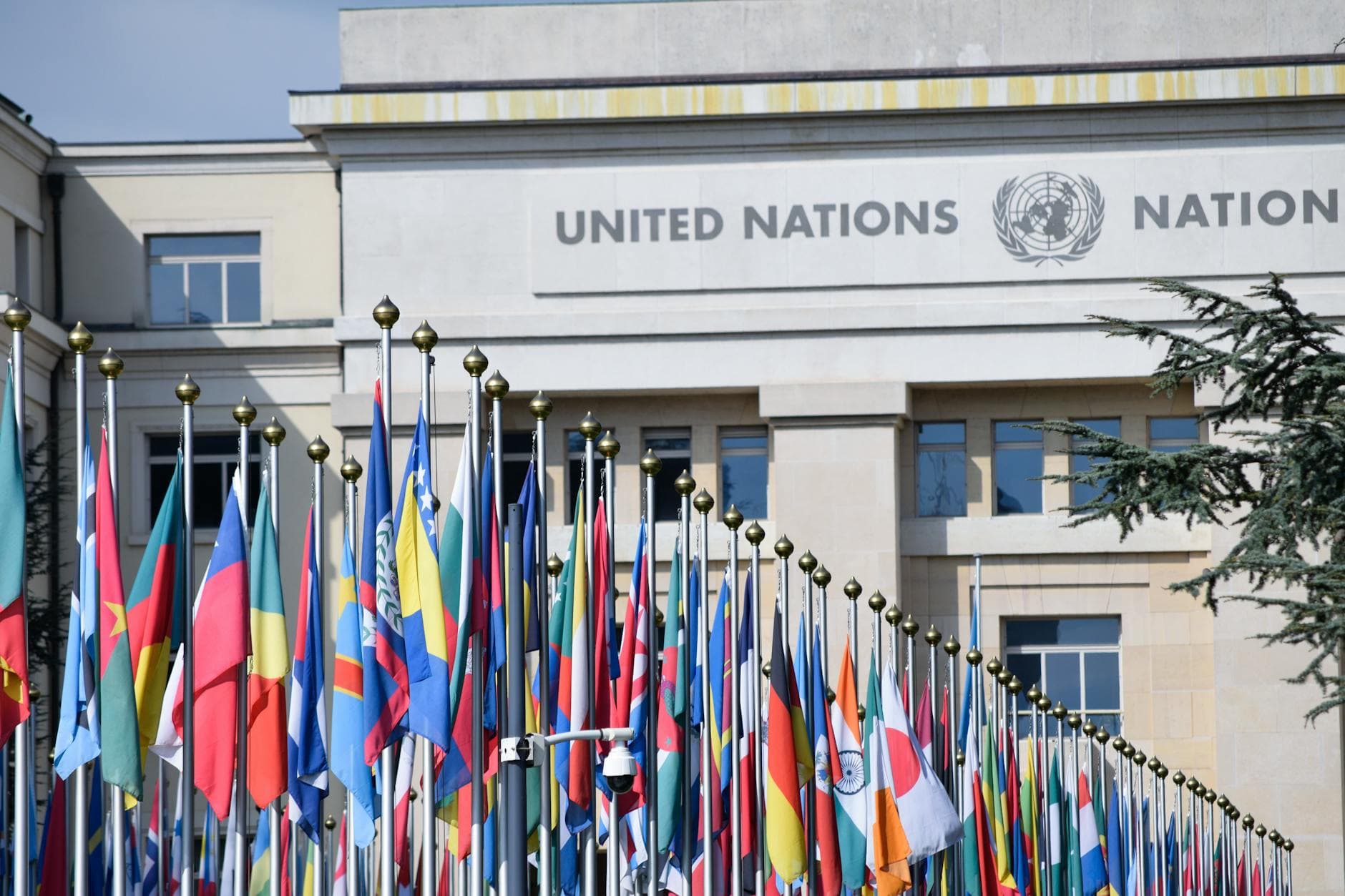
Japan’s vice foreign minister, Ayano Kunimitsu, told the Council that Tokyo was seriously concerned about the situation in the East China Sea and South China Sea and reiterated opposition to any attempt to change the status quo by force or obstruct freedom of navigation and overflight. European Union delegate Stavros Lambrinidis also raised the South China Sea, warning that the tensions affect a critical shipping route and challenge the rules-based international order.
China’s deputy U.N. ambassador, Sun Lei, fired back that the remarks were “not grounded in reality” and said the situation in the East and South China Seas remained stable overall. He also said the South China Sea is “one of the freest shipping lanes in the world.” Sun accused Japan of sending vessels to flex its muscles and deliberately provoke tensions in the Taiwan Strait, saying Tokyo was sending a “gravely wrong signal” to separatists in Taiwan, which Beijing claims as its own.
The confrontation came against the backdrop of a long-running legal and diplomatic dispute over the South China Sea, a major shipping lane claimed in part by several governments. On July 12, 2016, the Permanent Court of Arbitration ruled in the Philippines’ case against China that Beijing’s claims based on the so-called nine-dash line were incompatible with the U.N. Convention on the Law of the Sea. China rejected that award as null and void. Sun also pointed to comments by Japanese Prime Minister Sanae Takaichi last year about a hypothetical Chinese attack on Taiwan and a possible Japanese military response, saying they badly damaged China-Japan relations and reflected what he called an offensive, expansionist turn in Japanese security policy.
This article was produced by Prism’s automated news system from verified source data, official records, and press releases, then run through automated quality and moderation checks before publishing. The system is built and supervised by the people who set the standards it runs under. Read our full AI policy.
Did this article answer your question?


