Portsmouth naval centre handles surge in Red Sea distress calls
A Portsmouth watch room is fielding a flood of Red Sea distress calls as attacks and Strait of Hormuz disruptions threaten oil flows and insurance costs worldwide.
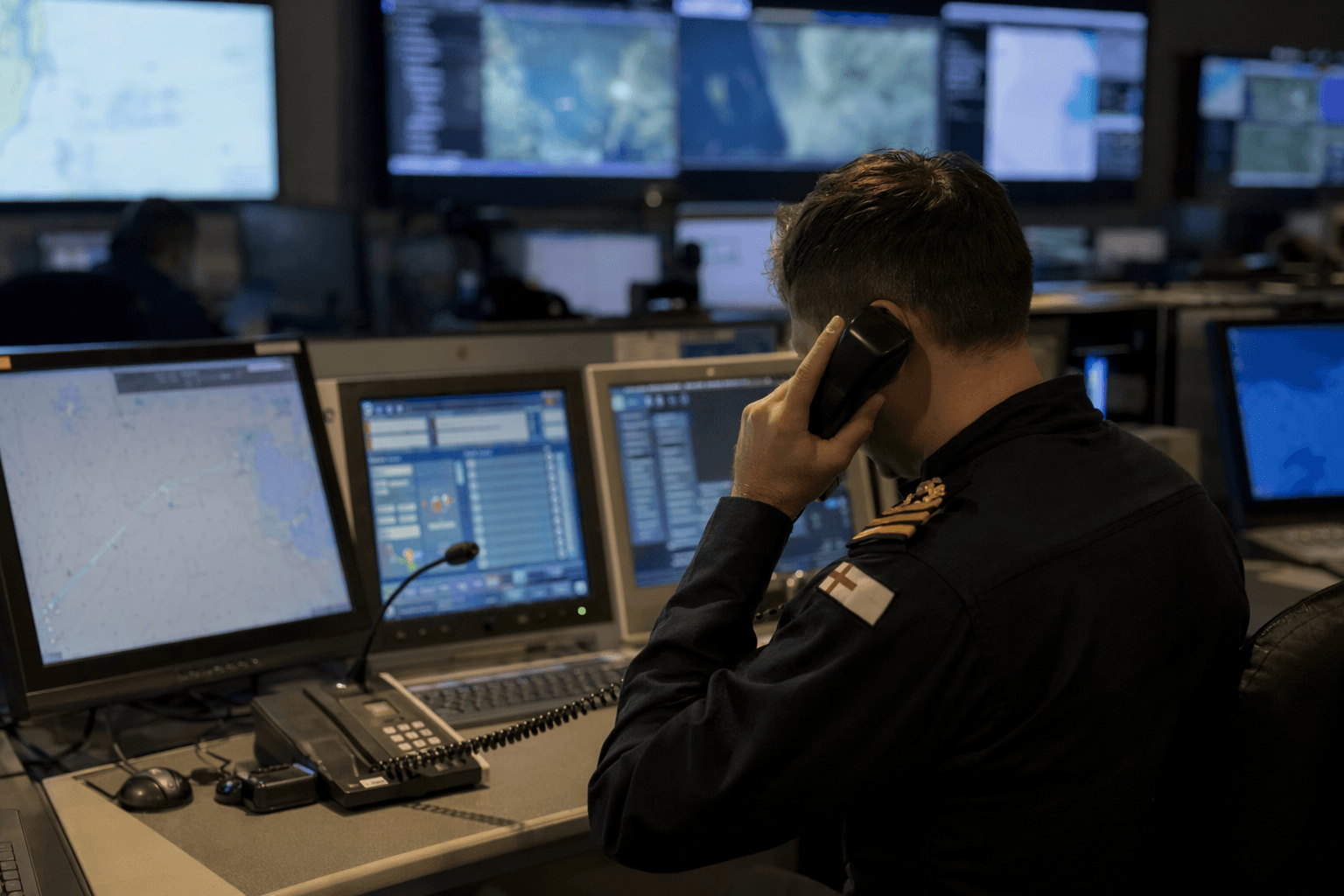
From a military base above Portsmouth, a small Royal Navy-led operations room has become a pressure point for one of the world’s most dangerous shipping corridors, taking distress calls from frightened crews as violence around the Red Sea and Strait of Hormuz ripples through oil markets and supply chains.
The United Kingdom Maritime Trade Operations Centre, based at the Maritime Trade Information Centre on Portsdown Hill just north of the city, operates around the clock and serves as a primary emergency contact for merchant shipping across the Persian Gulf, the Red Sea, the Gulf of Aden and the Indian Ocean. UKMTO says its Voluntary Reporting Area covers about 2.5 million square miles, and the team can be reached 24/7 on +44 (0) 2392 222060.
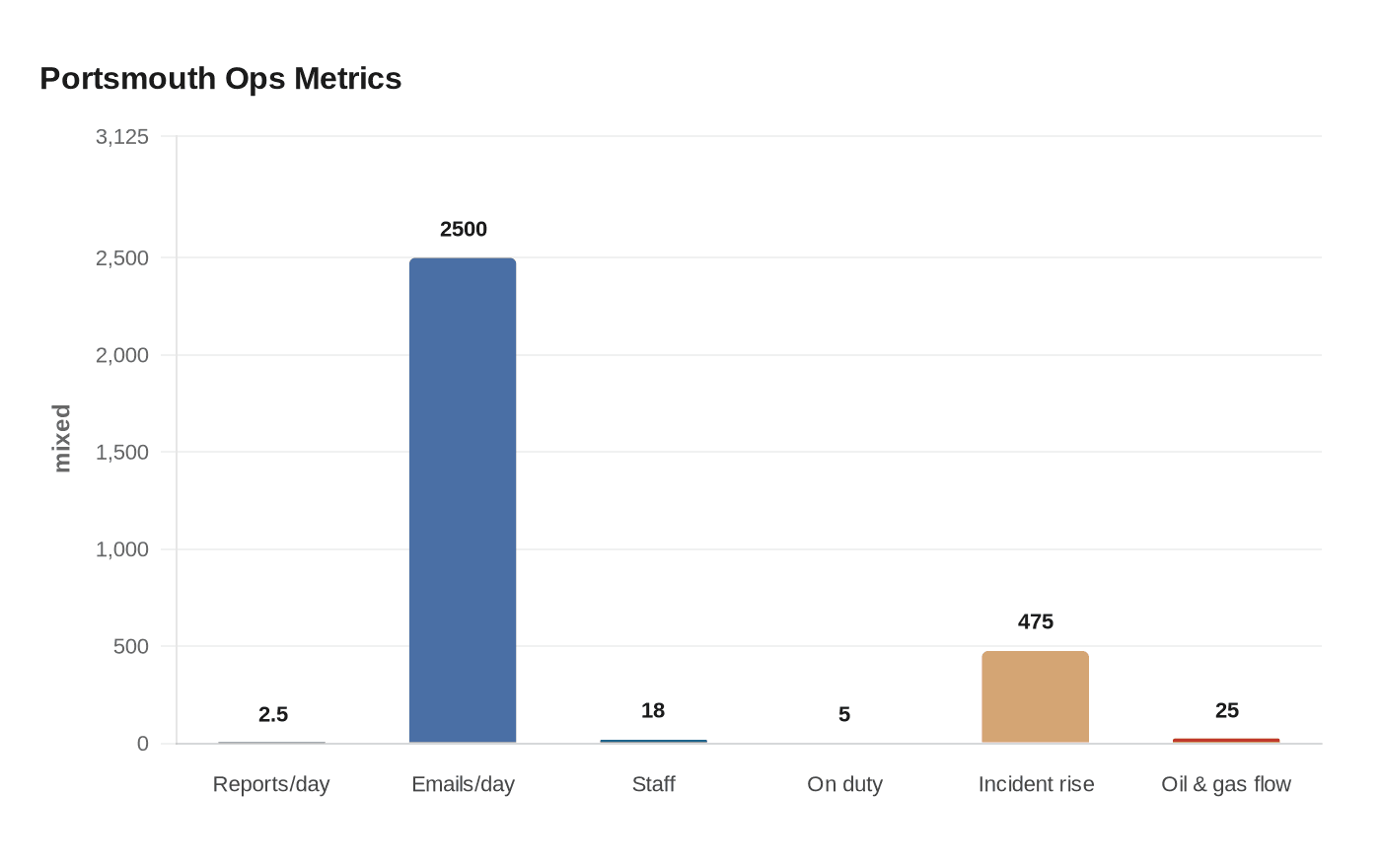
In March 2024, Royal Navy officials said the Portsmouth team was handling two or three attack and incident reports a day, compared with monthly levels before the wave of attacks on shipping began in November 2023. The centre said incident reports from seafarers in the Middle East had risen by 475 percent, while the operations room was receiving more than 2,500 emails a day. The staff was described as 18 people strong, with no more than five on duty at any one time, a tight shift pattern for what officials called a “999 call centre” for shipping.
The work is immediate and often terrifying. UKMTO personnel take direct calls from vessels under threat, contact nearby ships to warn them away from danger, and pass verified reports to military and search-and-rescue authorities when needed. The service says it focuses on corroborated information, reassurance and safety of life at sea, not politics, at a moment when the threat environment has shifted from the piracy that dominated the Somali piracy peak between 2008 and 2012 to missiles, drones, small-boat harassment and GPS and VHF interference.
UKMTO began in Dubai in 2001 to handle distress calls from international shipping in the Middle East and moved to Portsmouth in 2014. Its present workload is tied to a much larger economic fault line. Industry analysis cited by DWF estimated that 20 percent to 30 percent of global oil and gas transits through the Strait of Hormuz, and on April 24 Reuters reported that only five ships passed through the strait in 24 hours after attacks on ships and Iran’s seizure of two vessels. That kind of disruption can lift war-risk insurance costs, slow cargoes and push pressure from a local security crisis into household prices far beyond the region.
This article was produced by Prism’s automated news system from verified source data, official records, and press releases, then run through automated quality and moderation checks before publishing. The system is built and supervised by the people who set the standards it runs under. Read our full AI policy.
Did this article answer your question?


