U.S. cool to Iranian proposal linking Hormuz reopening, nuclear talks delay
Iran’s offer would reopen Hormuz and postpone nuclear talks, but Washington signaled it wants the nuclear file settled first. Brent hovered near $108 as the standoff squeezed markets.
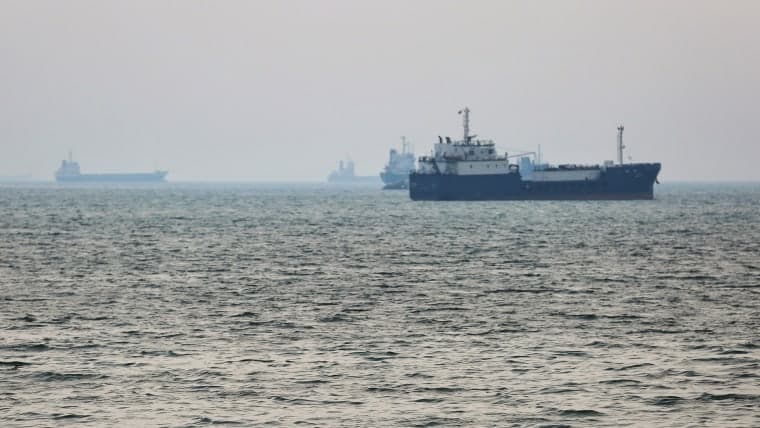
The White House showed little immediate appetite for an Iranian proposal that would reopen the Strait of Hormuz and end the war while pushing nuclear negotiations into a later phase. The offer, relayed through Pakistani mediators, underscored Tehran’s attempt to split the maritime crisis from its broader standoff with Washington, but the administration’s first response suggested the two issues remain linked.
Karoline Leavitt said on April 27 that President Donald Trump and his national security team had discussed the proposal, but she stopped short of saying the president was weighing it seriously. Marco Rubio went further, rejecting the idea that Iran could control an international waterway or demand payment for passage. That stance cut to the heart of the dispute: Washington wants the pressure point on Hormuz eased only if Tehran addresses its nuclear program, not merely if shipping resumes.
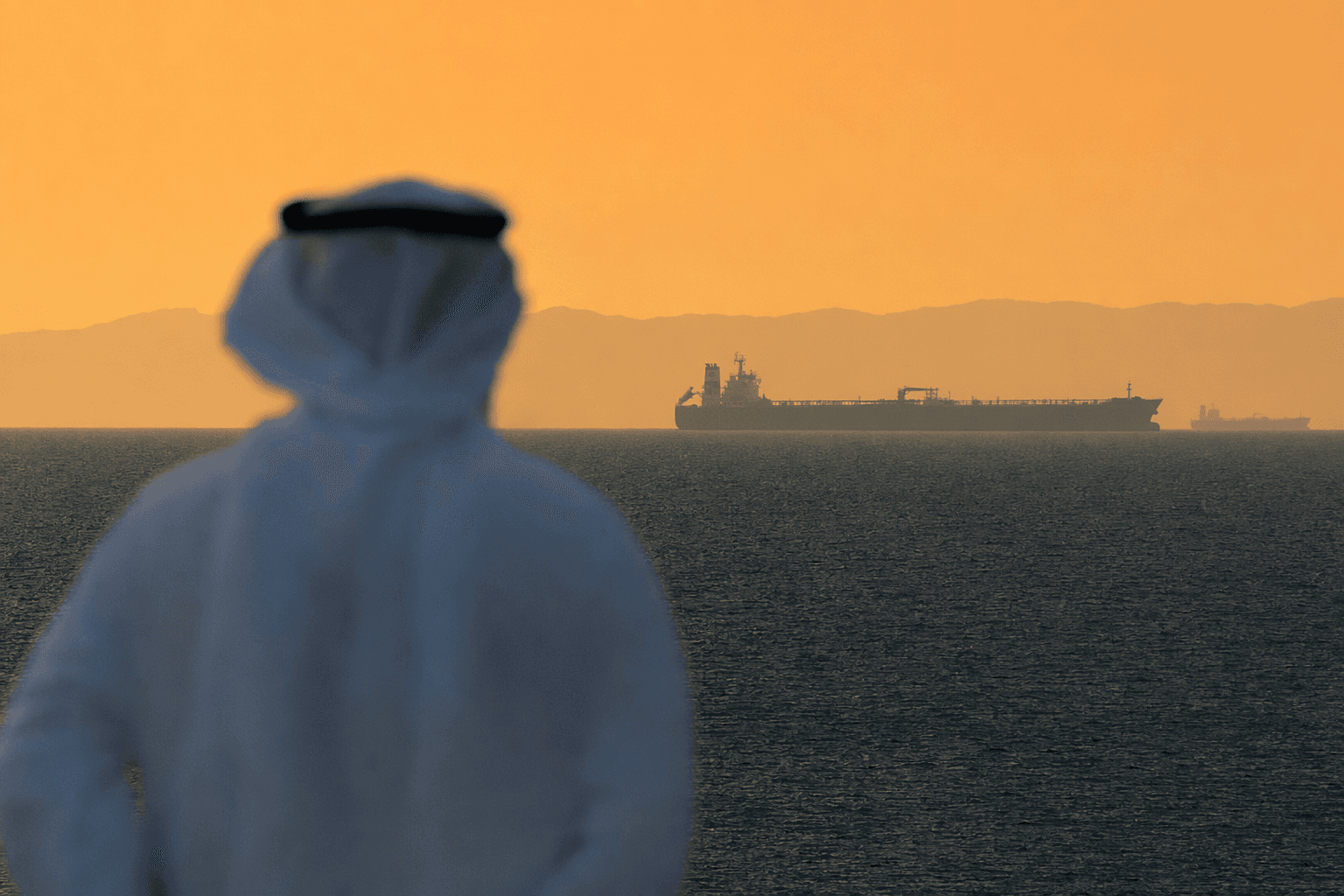
The stakes are global. In peacetime, about one-fifth of the world’s traded oil and gas moves through the Strait of Hormuz, a narrow passage between Iran and the Persian Gulf states that has long been one of the world’s most sensitive chokepoints. The U.S. blockade is meant to stop Iran from selling oil and to deny Tehran revenue, but the closure is also squeezing Gulf allies, lifting gasoline prices and adding strain to the broader world economy.
Oil markets have already taken the message. Brent crude was trading around $108 a barrel on Monday, nearly 50% above its level when the war began on Feb. 28, 2026. That surge has sharpened political pressure on Trump ahead of crucial midterm elections, while also raising costs for importers and consumers far beyond the Gulf.
Trump had already tied the ceasefire to Iran reopening the strait. He announced a two-week ceasefire on April 7, then extended it the following week, turning Hormuz into a central piece of the diplomatic bargain. Abbas Araghchi, Iran’s foreign minister, spent the weekend in Pakistan, where hoped-for talks did not materialize, and later traveled to Russia, another long-time backer of Tehran.
Pakistan has played a mediating role throughout the crisis, but the latest Iranian offer appeared designed to postpone the most politically difficult question. Washington’s reaction made clear that freer oil shipping alone is not enough if the nuclear dispute remains untouched.
This article was produced by Prism’s automated news system from verified source data, official records, and press releases, then run through automated quality and moderation checks before publishing. The system is built and supervised by the people who set the standards it runs under. Read our full AI policy.
Did this article answer your question?


