China braces for heavy rain as tropical storm Noul approaches
Tropical storm Noul could dump 600 mm of rain on Guangdong and Fujian, raising flood risk, transport shutdowns and supply-chain strain.
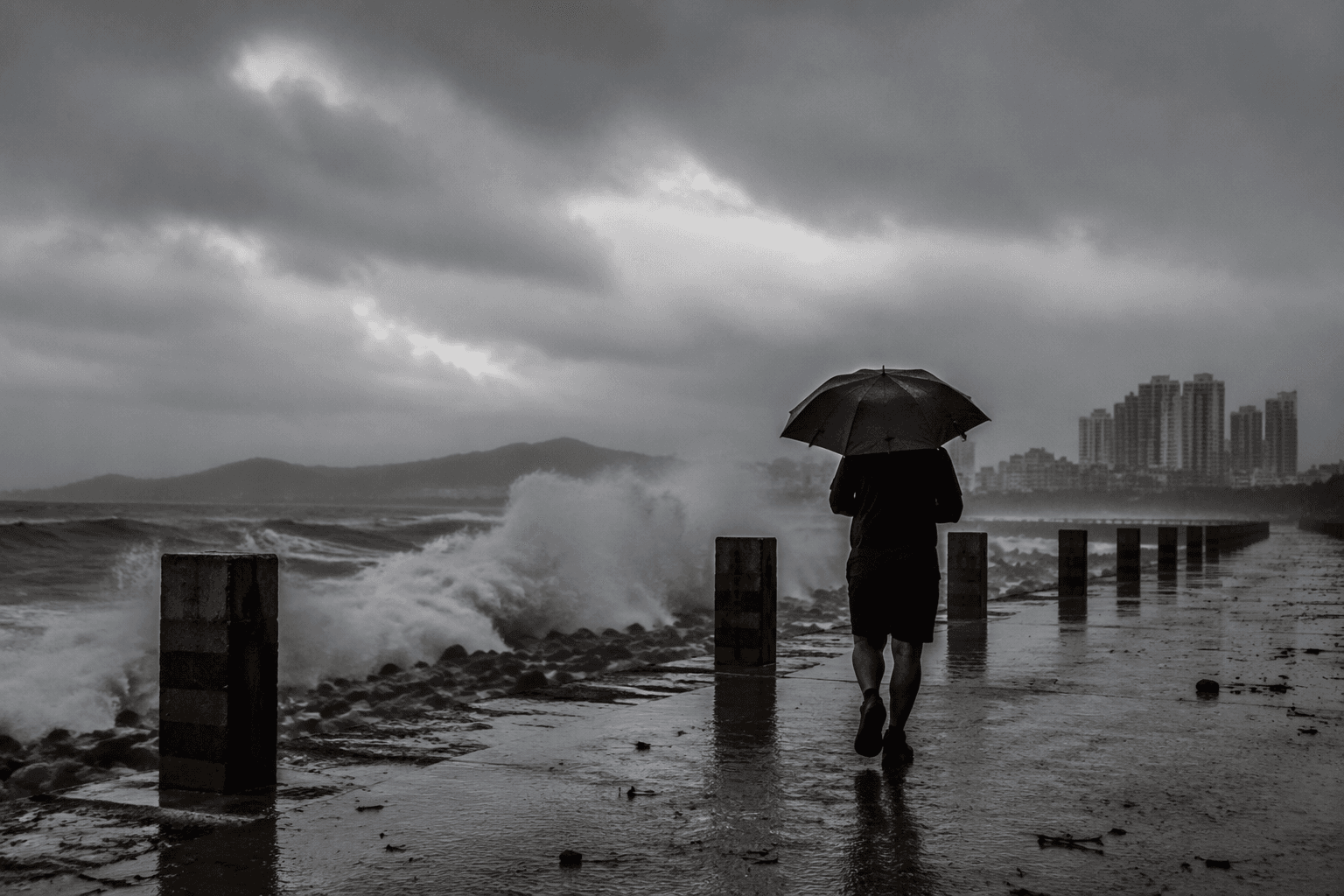
China warned of heavy rain and severe flood risks as tropical storm Noul edged closer to the southern coast, with landfall expected overnight between July 25 and July 26. Noul was the third tropical cyclone this month, and meteorologists said localized parts of eastern Guangdong and southern Fujian could receive 500 to 600 mm of rain, or 20 to 24 inches. That amount of rainfall could trigger flooding before the storm’s center even reaches land.
Guangdong and Fujian were the main provinces at risk, putting some of China’s busiest coastal corridors in the path of possible transport disruption and emergency measures. Heavy rain, not wind, was the immediate threat: roads can become impassable, rail and flight schedules can be thrown off, and low-lying neighborhoods can flood if drainage systems are overwhelmed or rivers rise too fast. In a country as large and densely populated as China, city, provincial and national authorities often have to move quickly to clear culverts, monitor reservoirs and prepare rescue teams.
The economic exposure is just as direct. Flooding in Guangdong can slow manufacturing hubs, jam logistics corridors and interrupt port traffic linked to export supply chains, while persistent rain can damage crops and delay food shipments. Even a short shutdown can ripple beyond China’s borders if factories miss production targets or cargo misses scheduled sailings. The storm’s approach therefore carried consequences well beyond the rainfall map.
Noul arrived during an already dangerous stretch for the region. China was on high alert for flash floods as the East Asia monsoon gathered pace, and a July 22 warning said extreme rainfall was already threatening northern China during peak flood season. That made Noul less a one-off weather event than another test of drainage systems, river management and emergency planning across southern China, where saturated ground and swollen waterways can quickly turn heavy rain into a wider disaster.
This article was produced by Prism’s automated news system from verified source data, official records, and press releases, then run through automated quality and moderation checks before publishing. The system is built and supervised by the people who set the standards it runs under. Read our full AI policy.
Did this article answer your question?