China Dominates Global Drone Industry, Then Tightens Its Own Sky Rules
Beijing banned drone sales without police approval and mandates real-time flight data surveillance, turning China's own security rules against the industry it built to dominate the world.
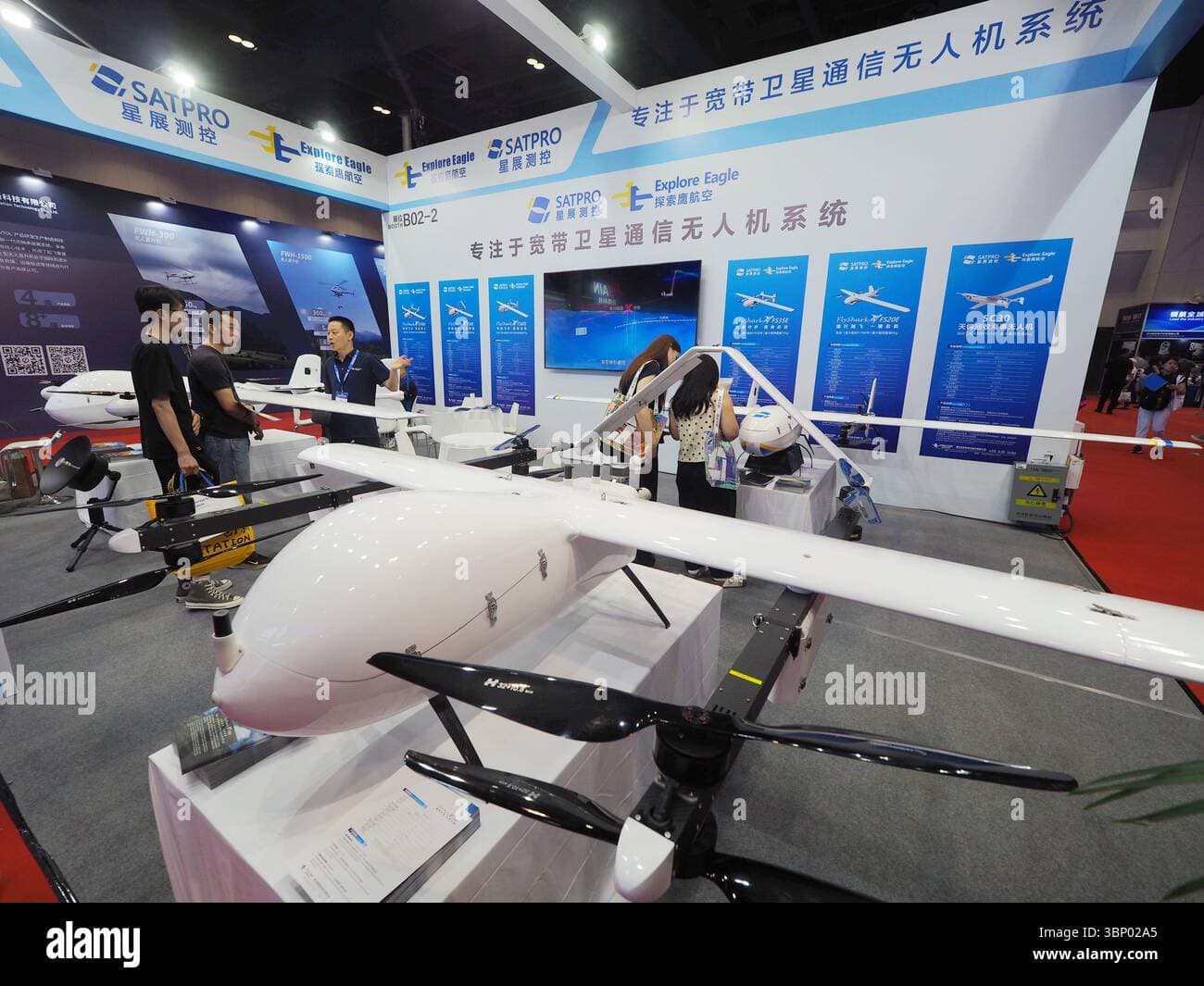
China's municipal government in Beijing banned the sale, lease, and transport of unmanned aerial vehicles and 17 designated "core components" without prior public security approval, the latest in a cascade of regulations tightening state control over an industry that China itself engineered into global dominance.
Beijing's municipal legislative body approved the rules in late March 2026, citing "low-altitude security" concerns. Storing more than three drones in the capital now requires authorization. Bringing any new drone hardware into Beijing's administrative area is also prohibited, with a narrow exception carved out for previously registered devices carried by verified owners.
The municipal crackdown arrived alongside two mandatory national standards, set to take effect May 1, 2026, approved by the State Administration for Market Regulation. The first mandates a real-name registration system under which drones must be inoperable before activation and after deactivation. The second requires all civil drones to continuously transmit identification, location, speed, and status data to regulatory authorities from power-on through the entire flight. Together, the standards address what Beijing describes as the fundamental questions of "who is allowed to fly" and where.
The tightening comes as Beijing simultaneously codified its ambitions for a "low-altitude economy." In December 2025, the National People's Congress Standing Committee revised the 1995 Civil Aviation Law for the first time to formally include unmanned aircraft, expanding the statute to 16 chapters and 262 articles, effective July 1, 2026. Manufacturers including DJI and EHang are now required to engrave unique identification codes on every unit and obtain airworthiness certification from the Civil Aviation Administration of China.
The policy arc is a study in contradictions. Beginning in 2015, China's "Made in China 2025" initiative channeled state resources into building a drone supply chain with virtually no rival. DJI, founded in a Shenzhen college dormitory in 2006, now controls roughly 70% of the global commercial drone market. Chinese companies hold 90% of the consumer market and, critically, 92% of the state and local first responder market in the United States. The global installed base of commercial drones reached 2.8 million units in 2024, a figure projected to hit 4.5 million by 2029 at a 9.9% compound annual growth rate.
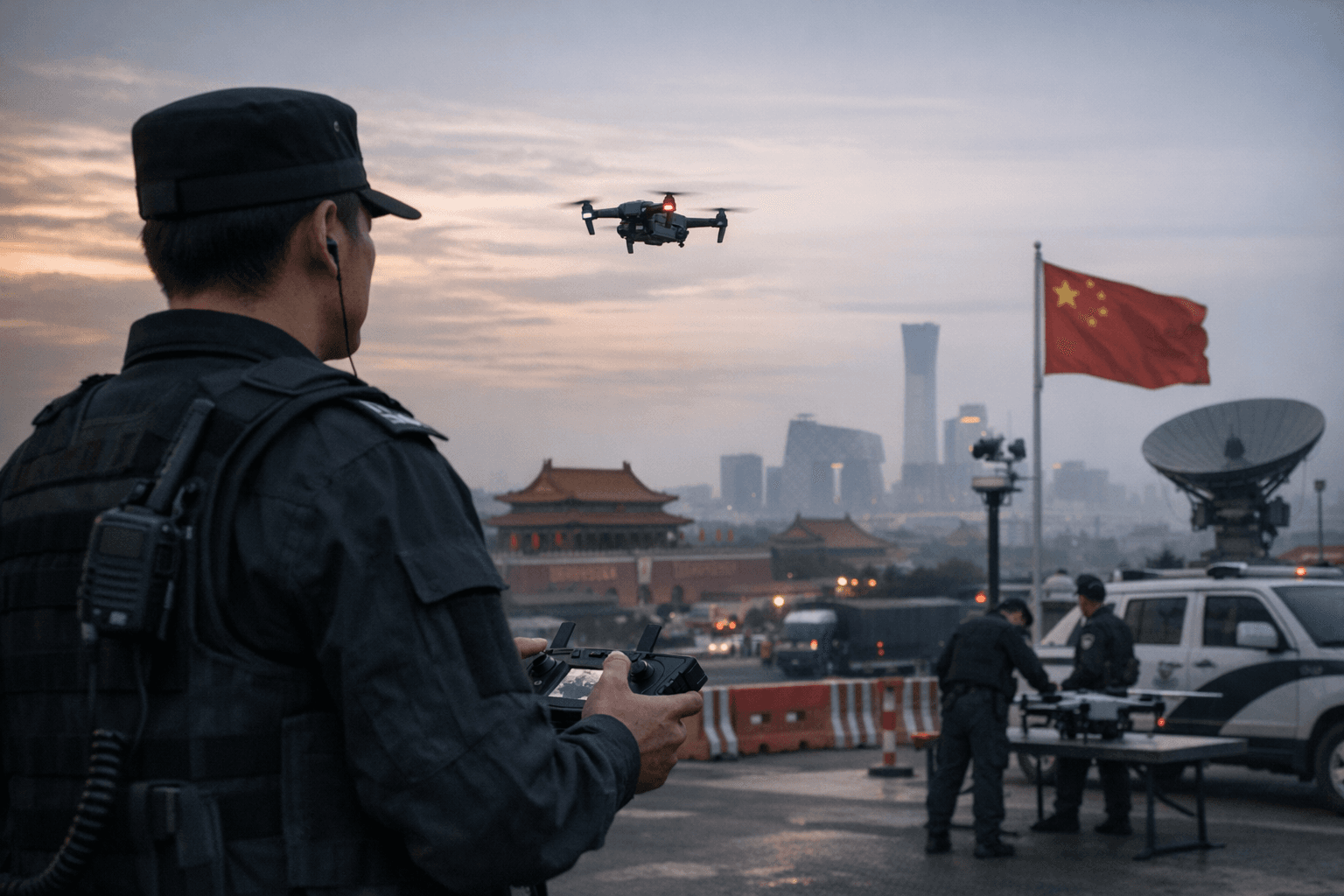
Now that same security apparatus Beijing constructed is rewriting who gets to fly domestically, and the disruption is landing hardest on the customers who became most dependent. On December 23, 2025, the FCC added DJI to its Covered List, effectively blocking the import and sale of any new DJI products in the United States after no federal agency completed a required national security review by the congressional deadline. The decision left roughly 25,000 DJI drones already operating in U.S. public safety fleets in a state of regulatory limbo.
American alternatives exist but none fully close the gap. Skydio, Brinc Drones, and Unusual Machines have all stepped up marketing to law enforcement and emergency services. France's Parrot holds some cleared models through the end of 2026. The Blue UAS Cleared List provides a federal procurement pathway. But no U.S. manufacturer currently produces a beginner or mid-range consumer drone at a price point competitive with DJI's, and enterprise-grade alternatives can cost multiples of their Chinese counterparts.
The industrial logic that made Chinese drones ubiquitous, state subsidies, vertically integrated supply chains, and relentless iteration, now makes replacing them structurally difficult even as both Beijing and Washington simultaneously push to restrict their use. China built the sky; the question now is who gets cleared to fly in it.
This article was produced by Prism’s automated news system from verified source data, official records, and press releases, then run through automated quality and moderation checks before publishing. The system is built and supervised by the people who set the standards it runs under. Read our full AI policy.
Did this article answer your question?