China eases hukou rules to expand services for migrant workers
China said residents without local hukou will get broader access to schools, medical care and social insurance, in a push aimed at 300 million migrant workers.

China moved to loosen one of its most durable barriers to urban life on Thursday, issuing guidelines that would tie more basic public services to where people actually live rather than to the city where their hukou, or household registration, was first issued.
The State Council said the measures were designed to ensure residents without local household registration enjoy the same access to basic public services as local residents. The notice said household-registration restrictions on participation in employee social insurance would be fully lifted, while access to basic medical coverage, employment services, child welfare, elderly care, social assistance and disability support would be extended over time to people without local hukou.
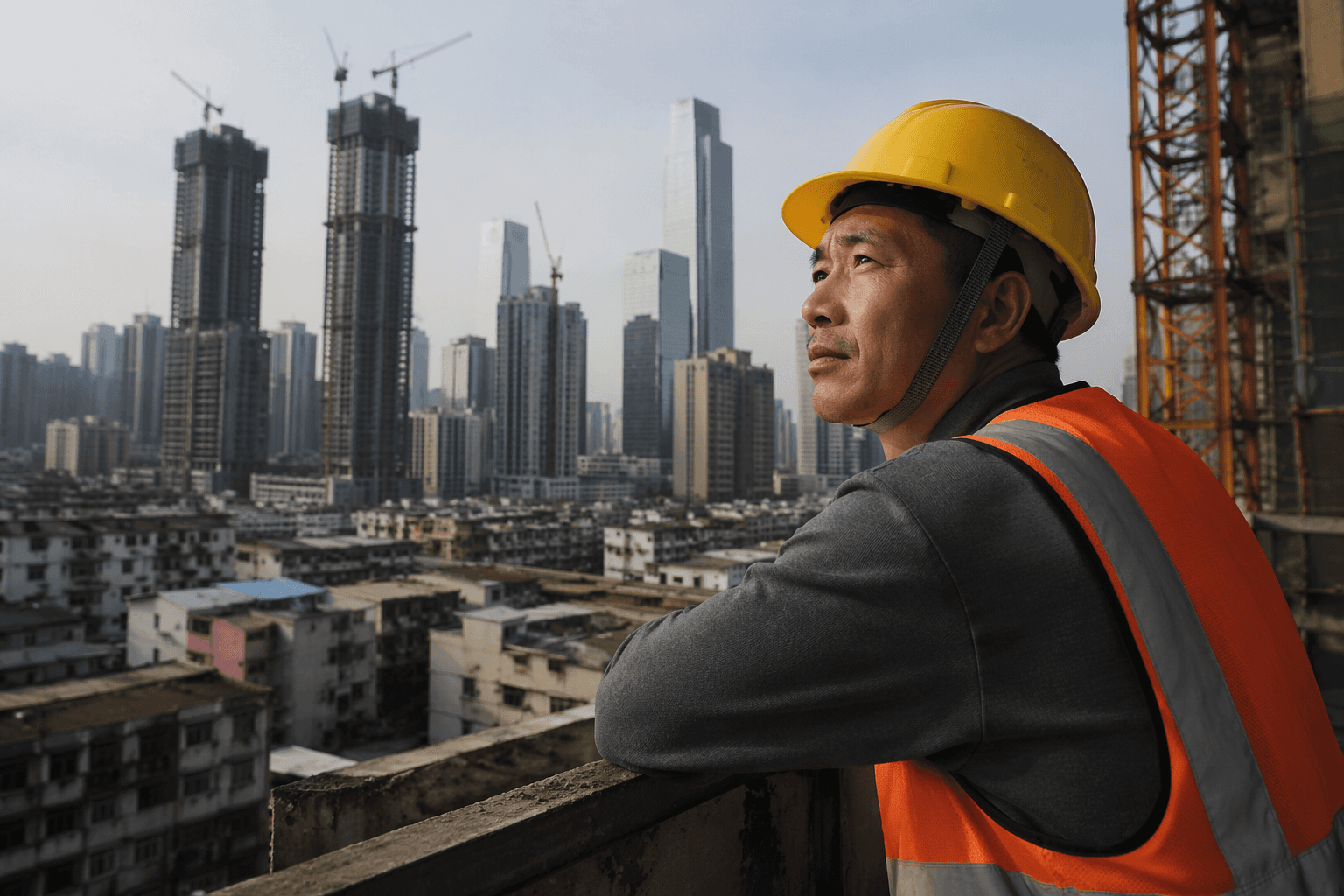
The guidelines also target migrant families with school-age children. Local governments are being told to help migrant children attend public schools and, in some cases, sit school entrance exams where they live. That builds on an existing base of support: the National Bureau of Statistics said 96.8 percent of taken-along children of migrant workers in compulsory education were already in public schools in 2023, including through government-purchased services.
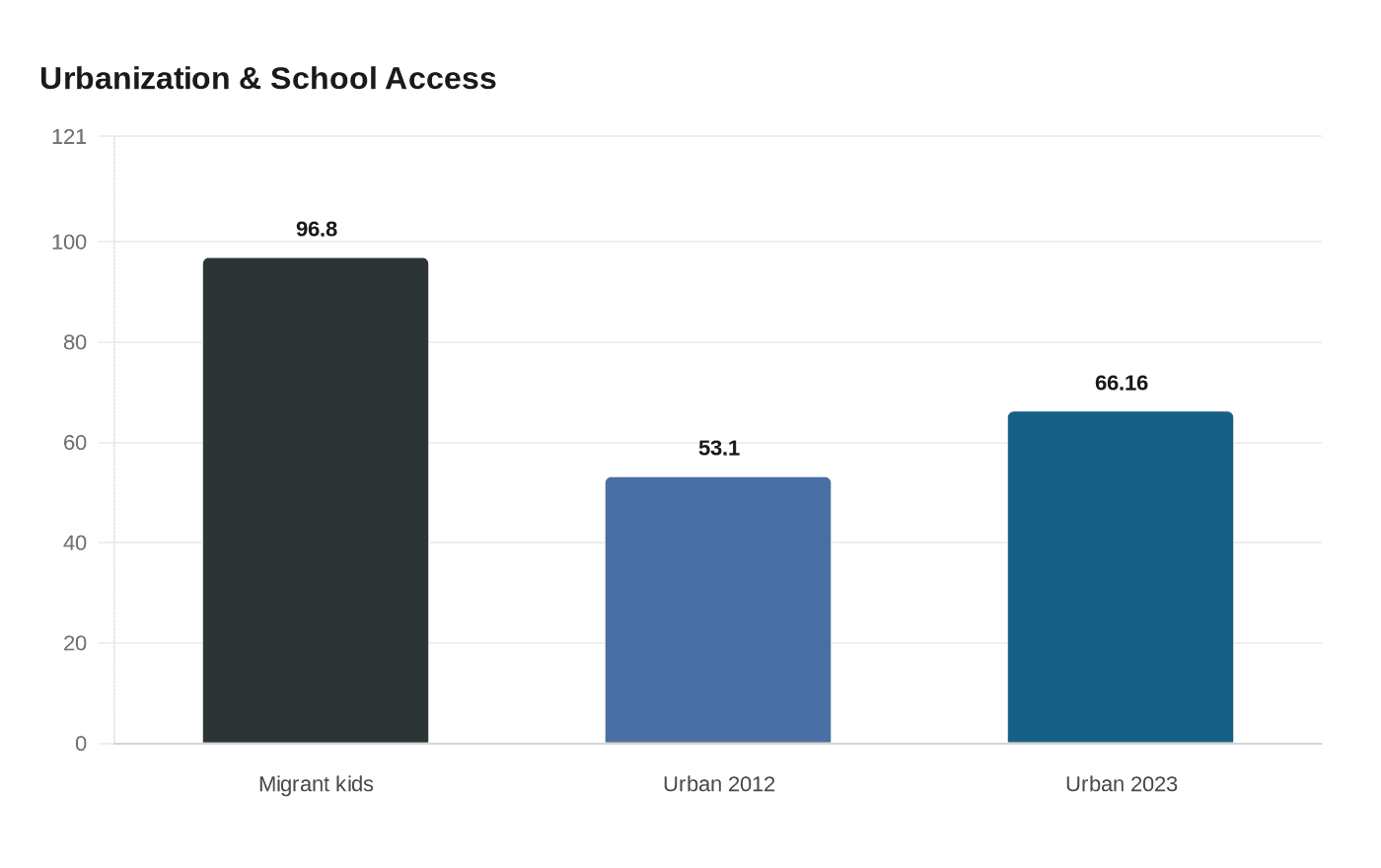
Beijing’s push comes with clear economic logic. Official briefing materials last year said China has around 300 million rural migrant workers in its cities, and about 165 million migrants settled in cities and obtained permanent residency over the previous decade. Urban residents accounted for 66.16 percent of the population by the end of 2023, up from 53.1 percent in 2012. Policymakers have framed the next step as making that urbanization more useful to the economy by reducing the cost and uncertainty of life for migrant households, which could help support domestic consumption in an economy still heavily dependent on exports.
The new rules also go beyond services to touch housing and labor mobility. They encourage expanded public rental housing for stable workers without local registration and say employees should be able to join social insurance schemes in their places of work. In a 2024 policy briefing, the National Development and Reform Commission said the direction was already part of a broader effort to improve equal access to public services, relax urban household-registration restrictions and widen participation in pensions, medical care, unemployment insurance and work-injury insurance.
Still, the change looks less like a clean break with hukou than another step in a long retreat from its strictest limits. Many benefits are to be extended gradually, local implementation will determine how much changes on the ground, and the system itself remains intact. Even so, the State Council cast the move as part of “people-centered” new-type urbanization, a signal that Beijing now sees broader urban inclusion not only as a social issue but as a way to shore up spending, stability and the labor market at the same time.
This article was produced by Prism’s automated news system from verified source data, official records, and press releases, then run through automated quality and moderation checks before publishing. The system is built and supervised by the people who set the standards it runs under. Read our full AI policy.
Did this article answer your question?