China fines Trip.com $770 million over antitrust allegations
China hit Trip.com Group with nearly 5.2 billion yuan in penalties, saying the travel giant used hotel exclusivity and favored traffic placement to stifle rivals.

China imposed penalties of nearly 5.2 billion yuan, or about $765 million to $770 million, on Trip.com Group over allegations of monopolistic conduct, pushing the country’s largest online travel platform back under close regulatory scrutiny. The case centered on the hotel-booking market, where regulators said Trip.com distorted competition by using exclusive arrangements with some hotels and giving favored traffic placement to selected partners.
Those practices, officials argued, made it harder for rival travel platforms and hotels to compete on equal terms. Trip.com sits at the center of China’s online travel ecosystem through brands including Ctrip and Skyscanner, connecting hotels, airlines and consumers across one of the world’s biggest travel markets.
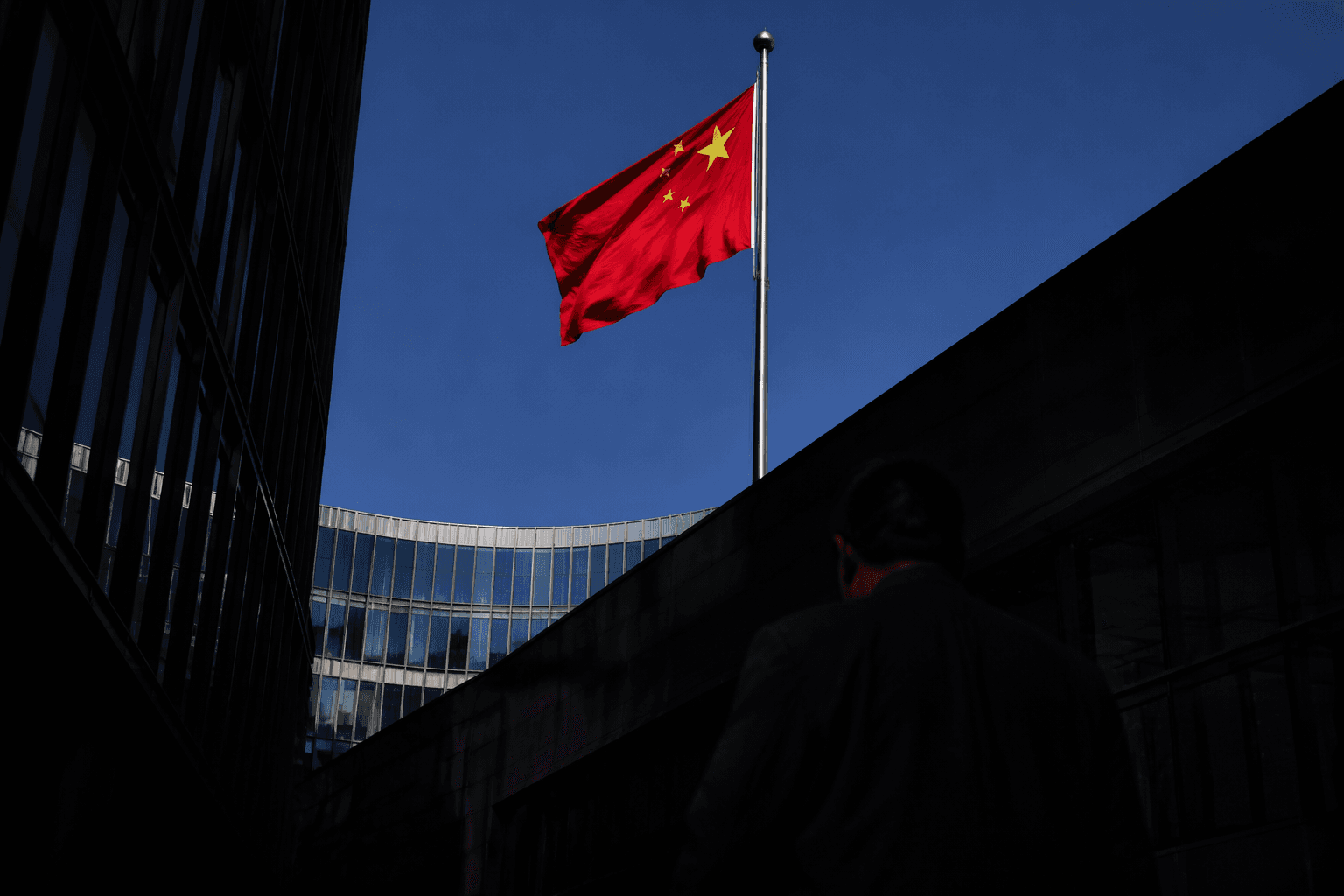
The size of the fine matters beyond the balance sheet. It signals that Beijing’s antitrust campaign remains active even as officials try to steady a slowing economy and support domestic consumption. China has spent years trying to curb the power of dominant internet companies, and regulators have repeatedly pushed platforms to compete more fairly, protect consumers and avoid arrangements that lock in business partners.
For Trip.com, the penalty could force a review of how it manages search rankings, promotions and supplier relationships. It also has the potential to weigh on investor confidence, especially because the company is one of China’s best-known internet brands and a key gateway for domestic and outbound travel demand.
Hotels and smaller booking services may gain more room to negotiate terms or widen distribution away from a single dominant intermediary. That could matter in a market where platform traffic can determine visibility, pricing power and booking volume, particularly for independent hotels that rely heavily on online referrals.
The ruling also highlights the tight policy balance facing Beijing. On one side is the drive to discipline powerful private firms that officials believe can stifle competition. On the other is the need to avoid weakening a sector tied closely to tourism, employment and services spending. By targeting a major platform without moving against travel demand itself, regulators appeared to reinforce antitrust oversight while keeping pressure off consumer activity in a sector the economy still needs.
This article was produced by Prism’s automated news system from verified source data, official records, and press releases, then run through automated quality and moderation checks before publishing. The system is built and supervised by the people who set the standards it runs under. Read our full AI policy.
Did this article answer your question?