China lifts foot-and-mouth ban on Brazil, expands meat access
China has opened all of Brazil to foot-and-mouth-free status, giving Brazilian meatpackers a bigger route into its market and tightening Beijing’s grip on global beef flows.
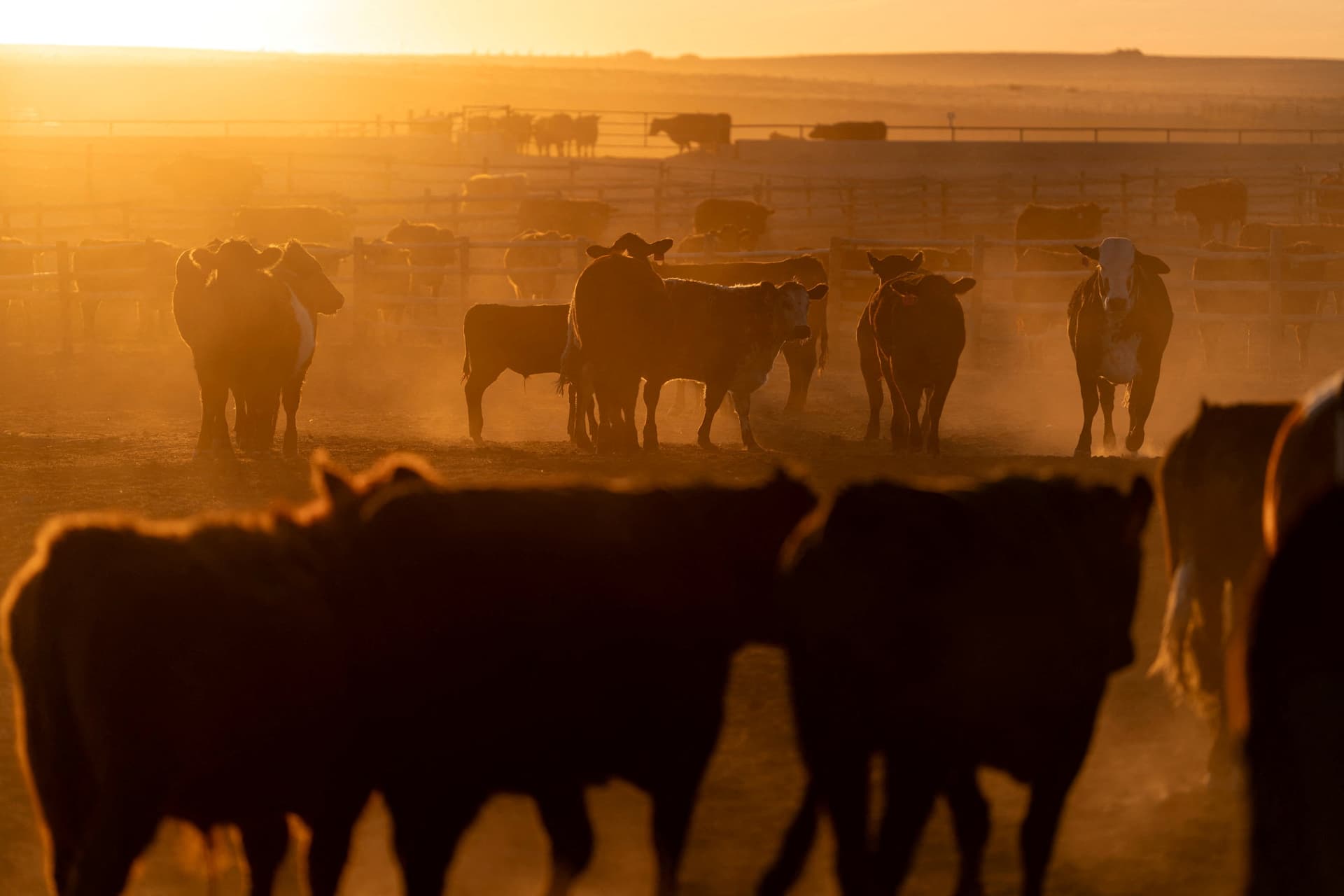
China has lifted foot-and-mouth disease restrictions on all of Brazil, a move that could redirect meat trade, widen Brazilian access to the world’s biggest beef market, and sharpen Beijing’s influence over which suppliers win and lose. Brazil is the world’s largest beef and chicken exporter, and China is its biggest beef buyer, with Brazil selling more than half of its beef exports to China last year and Chinese trade data showing nearly $3 billion in meat purchases in the first quarter of this year alone.
The decision gives Brazil a stronger hand in pushing cattle, beef, pork, offal and bone-in products into the Chinese market at a time when quota rules have already made access tighter. It also cements China’s role as an arbiter of export access in a trade that has been negotiated for more than 20 years, where sanitary recognition can shift billions of dollars in commerce and determine which slaughterhouses can ship at scale.
Brazil’s government had been pressing for broader market access in the run-up to the announcement. Agriculture Minister André de Paula traveled to China from May 17 to May 21, meeting officials in Shanghai and Beijing at the General Administration of Customs of China, the Ministry of Agriculture and Rural Affairs, and the Ministry of Commerce. Brazil also sought greater flexibility in China’s beef quota system so it could use unused volumes left by suppliers such as the United States and Uruguay, while negotiating access for pork offal, beef offal, bone-in beef and gallstones.
The timing matters because Brazil already holds international animal-health status for the entire country. The World Organisation for Animal Health recognized Brazil on June 6, 2025, as free of foot-and-mouth disease without vaccination, after a decade of investment in veterinary services and surveillance systems. Brazil ended its final foot-and-mouth vaccination campaign in May 2024 and shifted fully to surveillance and biosecurity.

China’s move comes despite its own recent vulnerability to the disease. In April 2026, Chinese authorities reported a SAT-1 foot-and-mouth outbreak in Gansu province and the Xinjiang Uyghur Autonomous Region and ordered culling and disinfecting measures. That backdrop helps explain why sanitary status remains a powerful commercial lever in Beijing, even as it opens its market more widely to Brazilian suppliers.
The Brazilian beef industry is positioned to benefit immediately. The Brazilian Beef Exporters Association says it represents 46 companies and 163 cold-storage plants responsible for 98% of Brazil’s beef exports, underscoring how concentrated the sector is around export access to China. Brazil exported 2.9 million tonnes of beef last year, and China bought about half of it. With Beijing now recognizing all of Brazil as foot-and-mouth free, the country’s producers are likely to press for more plant approvals, bigger quota use and a larger share of a market that can reshape global meat pricing.
This article was produced by Prism’s automated news system from verified source data, official records, and press releases, then run through automated quality and moderation checks before publishing. The system is built and supervised by the people who set the standards it runs under. Read our full AI policy.
Did this article answer your question?

