China marks 37 years since Tiananmen crackdown, still taboo at home
Thirty-seven years on, Tiananmen remains a forbidden memory in China, its crackdown still shaping how the state controls history, dissent, and public grief.

The buildup to a crackdown
The Tiananmen crackdown was not a sudden rupture. It grew out of a year of mounting pressure, as China slid into economic chaos in 1988, inflation climbed toward 30 percent, and panic buying spread through daily life. That economic strain fed a wider mood of frustration, especially among students and intellectuals who saw corruption rising while political reform stalled.
The protests that followed were therefore about much more than one moment in Beijing. They reflected overlapping grievances, including slower-than-promised reform, widening inequality, and a political system that still tolerated very little dissent. By the time the crisis reached Tiananmen Square, it had already become a test of whether the Chinese Communist Party would answer public anger with change or with force.
Hu Yaobang’s death as the spark
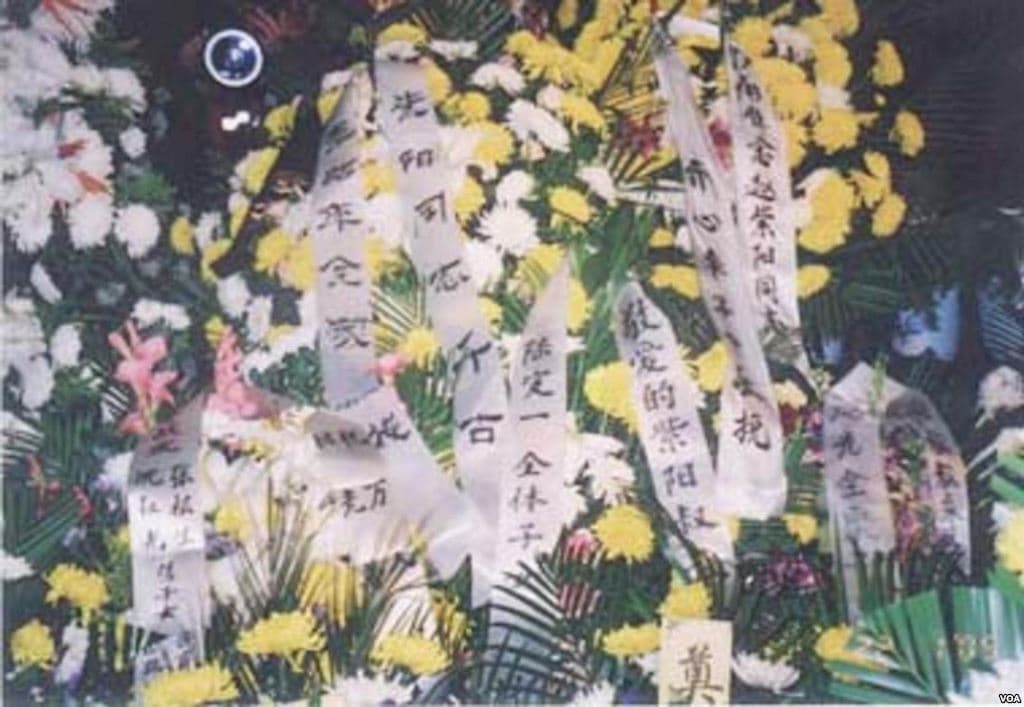
Hu Yaobang’s death on April 15, 1989, gave that discontent a focal point. As a former Communist Party chief and a leading reformer, he had become a symbol of the possibility, and the limits, of opening China’s political system. Students began gathering in Tiananmen Square two days later, on April 17, first in mourning and soon in protest.
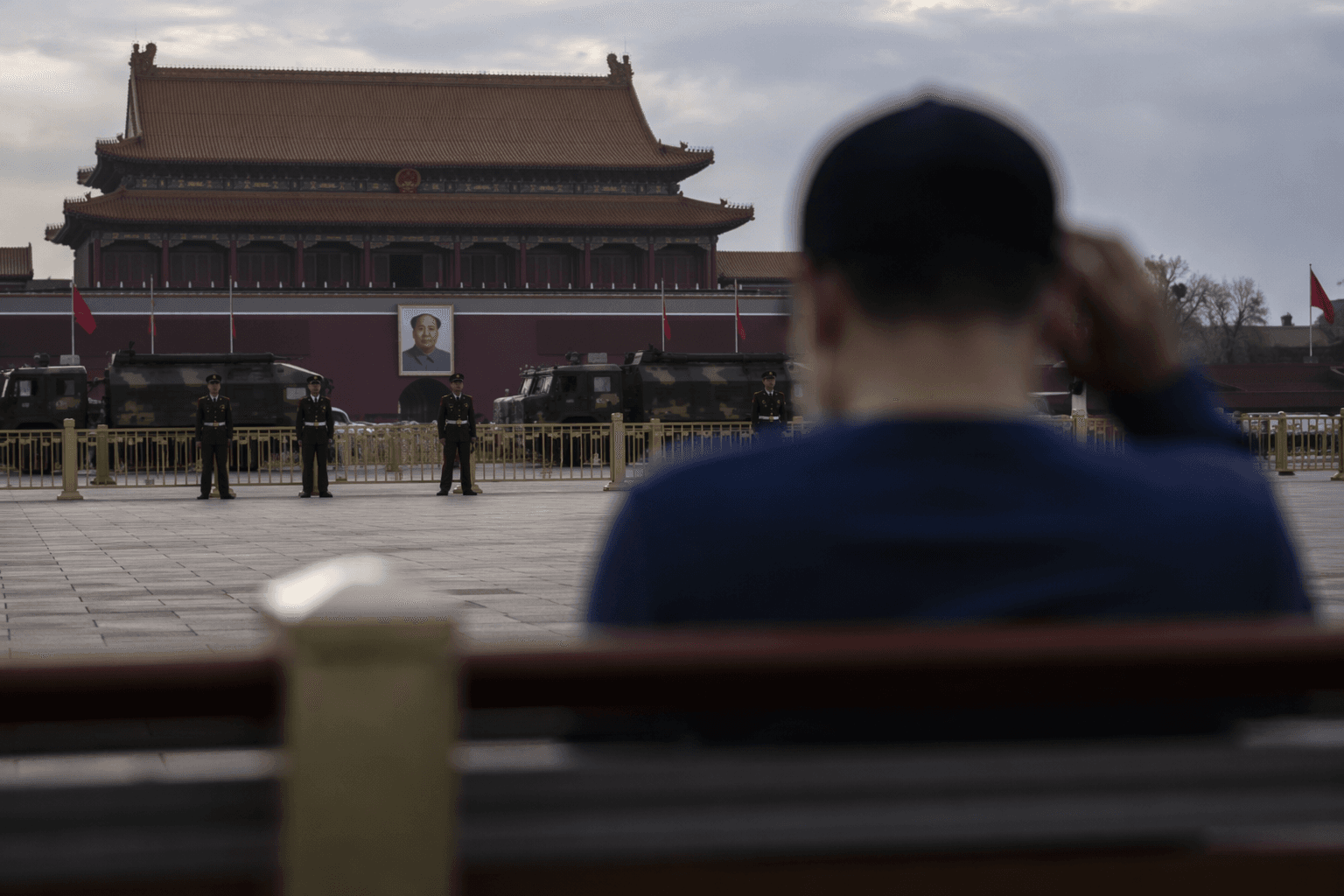
What began as a tribute quickly widened into a broader political challenge. The crowds in Beijing were no longer only grieving Hu; they were voicing demands for democracy, reform, and an end to corruption. That shift mattered because it showed how quickly private frustration could become public mobilization when a political system offered few other outlets.
From mourning to mass movement
The spring demonstrations were part of a longer chain of events, not an isolated outburst. Students were soon joined by intellectuals and other citizens, turning the gatherings in Tiananmen Square into a national political drama. The movement’s expanding scope revealed a rare convergence of anxieties: economic uncertainty, social change, and resentment over a leadership that seemed unwilling to answer either with accountability or openness.
As the protests grew, so did the stakes. The occupation of the square became a symbol of both civic idealism and state vulnerability. It also exposed a central dilemma for the authorities: concessions could encourage more demands, but repression risked transforming a student movement into a historic confrontation with the party-state itself.
The final days before martial law
By mid-May, hunger strikes had pushed the protests into a new phase, raising pressure on the leadership to act. On May 19, Zhao Ziyang made a rare late-night visit to Tiananmen Square and urged students to end their hunger strike. It was a last public effort at compromise, and it underscored how seriously the crisis had escalated.
The next day, Premier Li Peng declared martial law on May 20. That decision marked the end of any meaningful political opening in the immediate crisis and signaled that the leadership had chosen coercion over negotiation. From that point on, the outcome was increasingly set: the state was preparing to reassert control by force.
The night of June 3-4 and its unresolved toll
The military crackdown came on the night of June 3-4, 1989, and is often described as June 4 and 5 in some accounts. The exact death toll has never been fully released by the Chinese government, and outside estimates vary widely. Many accounts say the number of people killed is unknown and may be in the hundreds or higher.
That uncertainty is part of the event’s legacy. The absence of an official full accounting has made the crackdown not only a historical turning point but also a continuing political wound. It is one reason the anniversary remains one of the most censored and sensitive topics in China.
Why the memory still matters
Thirty-seven years later, Tiananmen is still taboo in mainland China, with no official commemoration by the party-state. That silence is not accidental. It reflects a broader strategy of managing historical memory, limiting public discussion, and preventing the past from becoming a platform for present-day dissent.
The politics of memory matter because Tiananmen is not simply remembered, it is actively contained. The state’s refusal to mark the anniversary, to release a full death toll, or to allow open debate shows how seriously it treats the event’s symbolic power. In that sense, the crackdown’s legacy reaches well beyond 1989: it continues to shape how authorities think about protest, surveillance, and the boundaries of permissible speech.
The deeper lesson of Tiananmen is that political memory in China is itself a contested space. The protests began with mourning for Hu Yaobang, moved into demands for reform, and ended in violence, but the struggle over what happened next has never stopped. Even now, the anniversary endures as a reminder that the Chinese state has not only tried to outlast the challenge of 1989, it has tried to erase the memory of it as well.
This article was produced by Prism’s automated news system from verified source data, official records, and press releases, then run through automated quality and moderation checks before publishing. The system is built and supervised by the people who set the standards it runs under. Read our full AI policy.
Did this article answer your question?