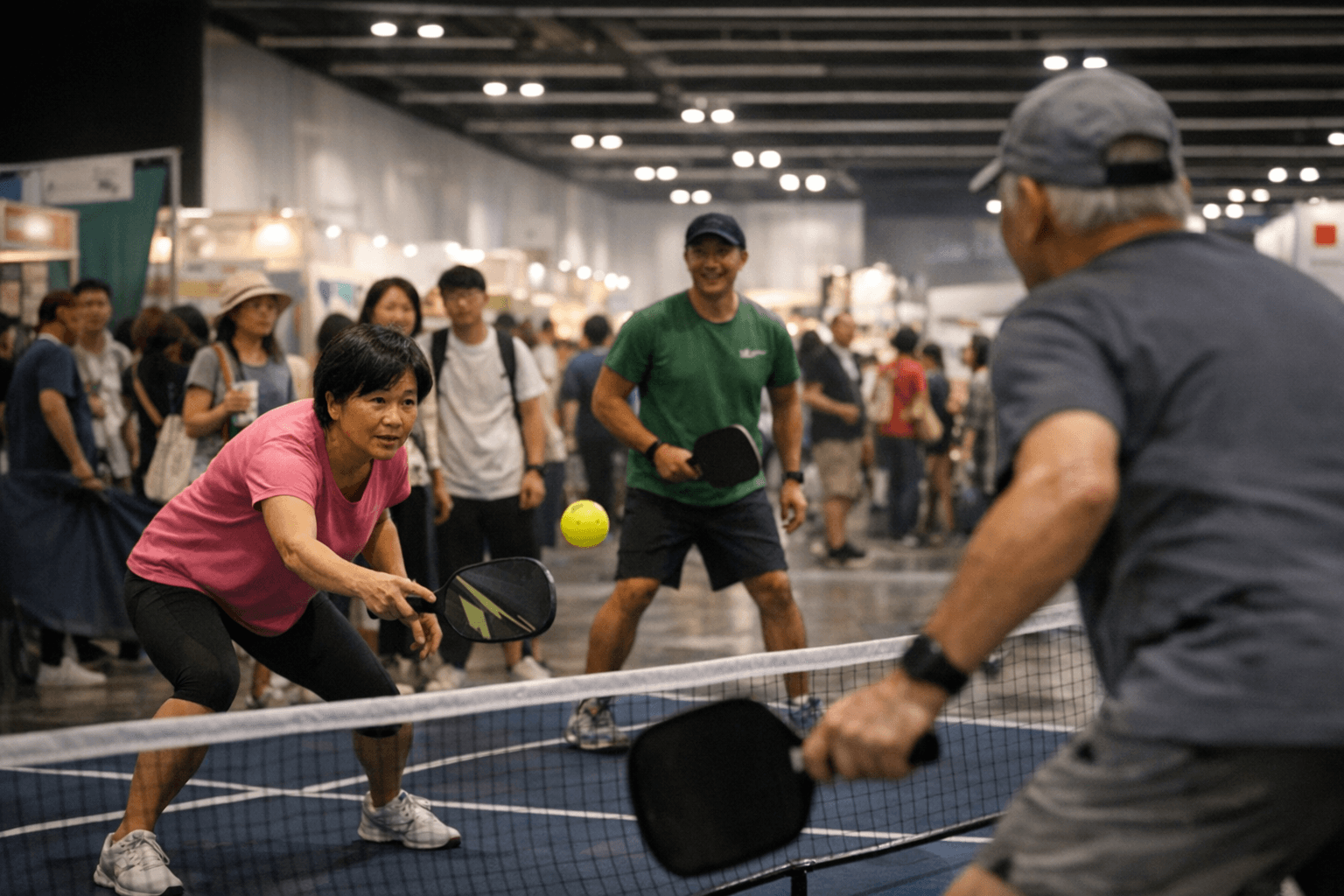
China Masters showcases Asia's rise in international pickleball
WPC China Masters in Hainan drew 267 players from about 30 countries, highlighting Asia's growing tournament depth and international competitiveness.
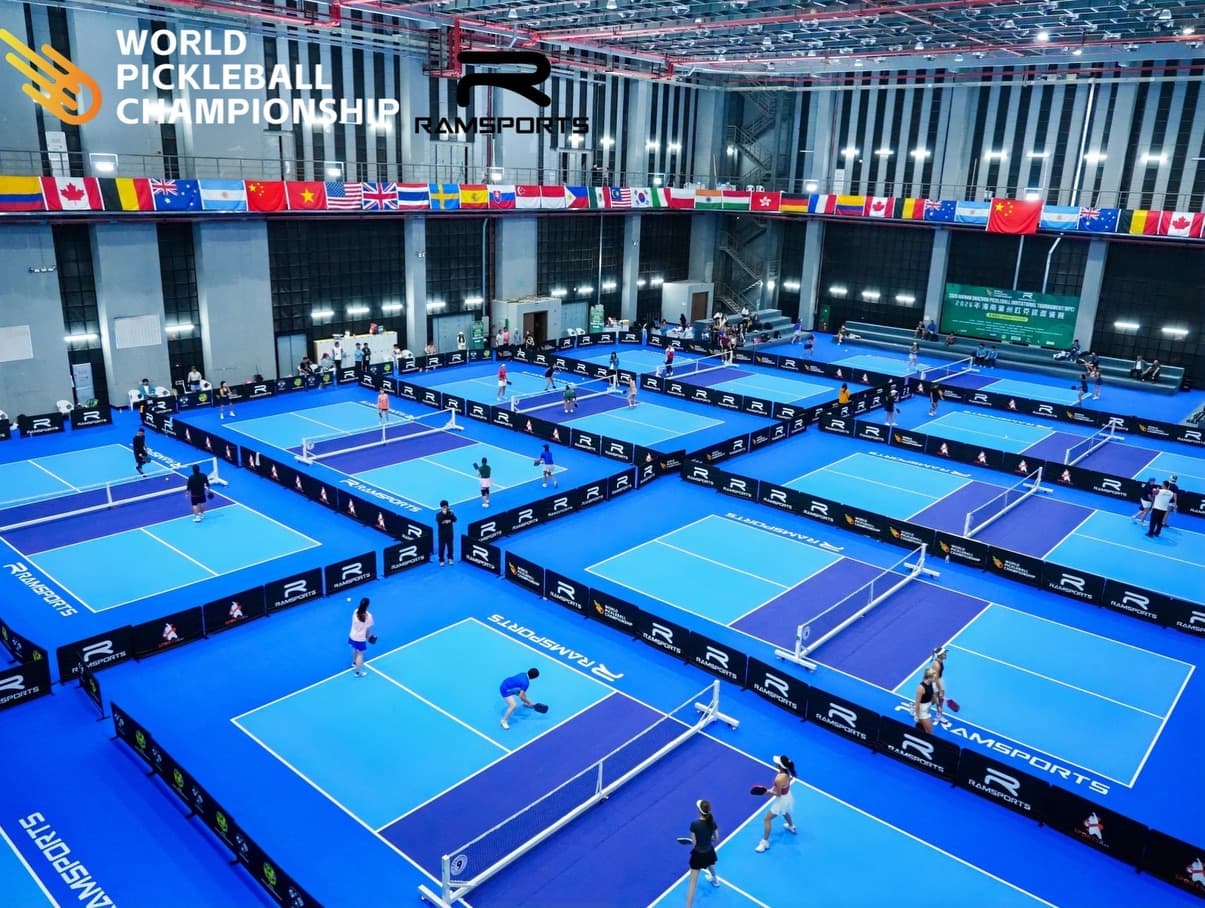
The WPC China Masters, held in Hainan from January 5 to 10, 2026, brought a full slate of competitive action and a clear signal that Asia's tournament scene is maturing. The Tier-5 event fielded 267 players from roughly 30 countries across 42 brackets, spanning open divisions through veteran and masters age groups.
China supplied the largest contingent, with about 120 players on site, followed by strong delegations from Hong Kong, Thailand, Singapore and Malaysia. The mix of local depth and international entrants created a busy schedule and varied levels of play, from 19+ open brackets to 35+, 50+ and 60+ masters draws. Organisers kept courts running on tight timelines while accommodating a broad age and skill range, which understates how much coordination these multi-bracket events require.
On the scoreboard, Hong Kit Wong emerged as one of the standout performers, taking the 19+ open men's singles crown and adding doubles titles alongside partners. Karina Aditya Dwipayani captured the 19+ open women's singles title, while veteran divisions produced memorable wins such as Minh Le in the 50+ men's singles and the pairing of Leng Gang and Yubin Wei in the 60+ men's doubles. Across brackets, results highlighted both rising stars and seasoned players who are keeping competitive pathways alive beyond the open ranks.
For players and clubs in Asia, the event offered practical takeaways. Tournament directors can point to the China Masters as a model for handling large, diverse draws: staggered scheduling, dedicated warm-up courts, and clear bracket communication kept matches moving. Players gained valuable cross-border match play and a reminder that international competition in the region now extends beyond a handful of flagship events.
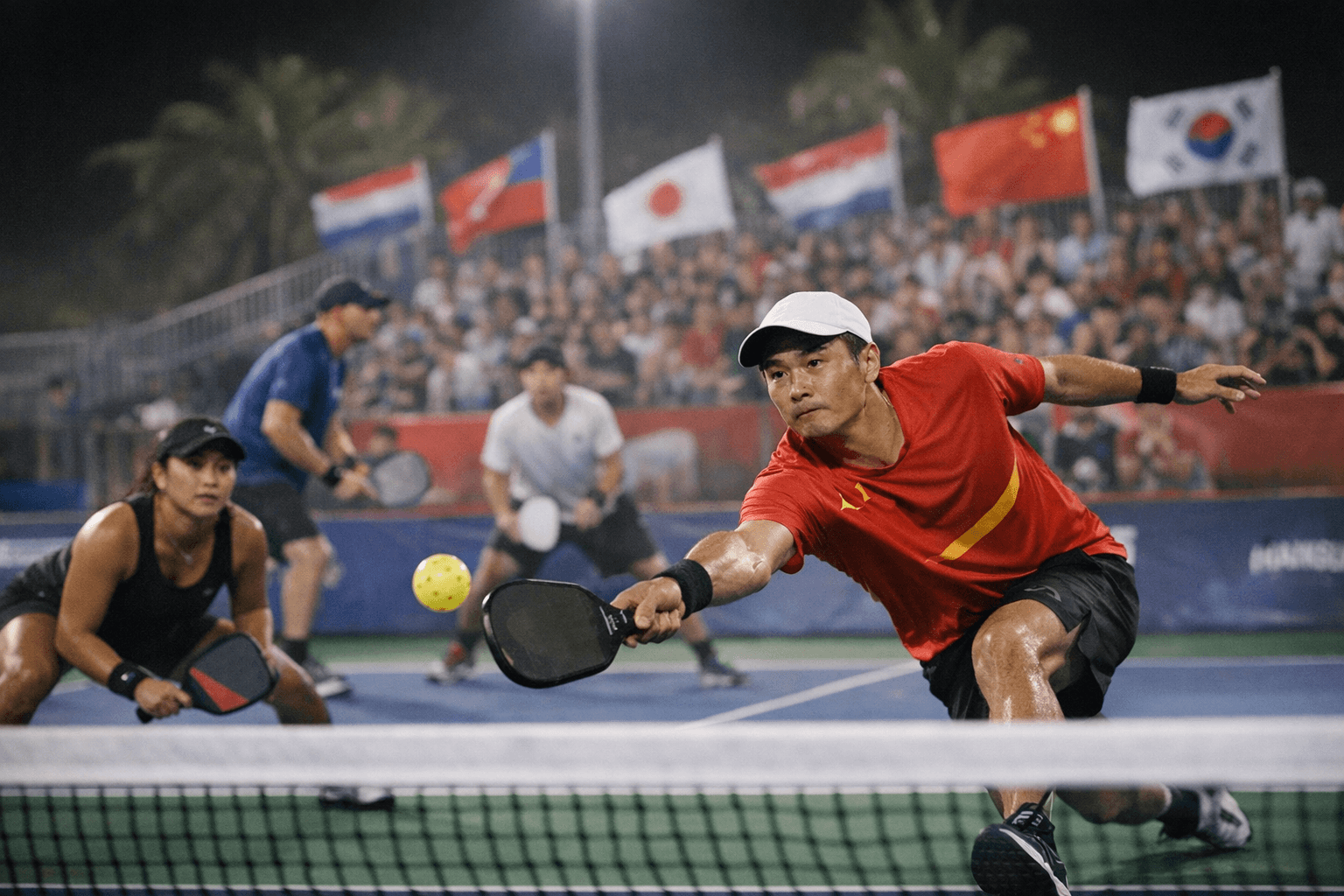
The Hainan stop also matters for community growth. Local clubs can leverage the visibility to attract new members, and coaches will find real benchmarks for training across age groups as masters divisions continue to deepen. For travelling competitors, the field size and variety of brackets mean more chances for matches, seeding experience, and points toward regional standing.
The China Masters served notice that Asia can host world-class, well-organised tournaments that attract both strong local teams and international entrants. Expect more calendar entries to emulate this format, more opportunities for masters competition, and a busier regional circuit through 2026 as organisers and players build on the momentum.
Sources:
Know something we missed? Have a correction or additional information?
Submit a Tip