China may extend rare-earth export truce as summit tests trade tensions
China’s rare-earth squeeze has kept pressure on U.S. defense, EV and chip supply chains, even as Washington weighs a fragile truce at the summit.
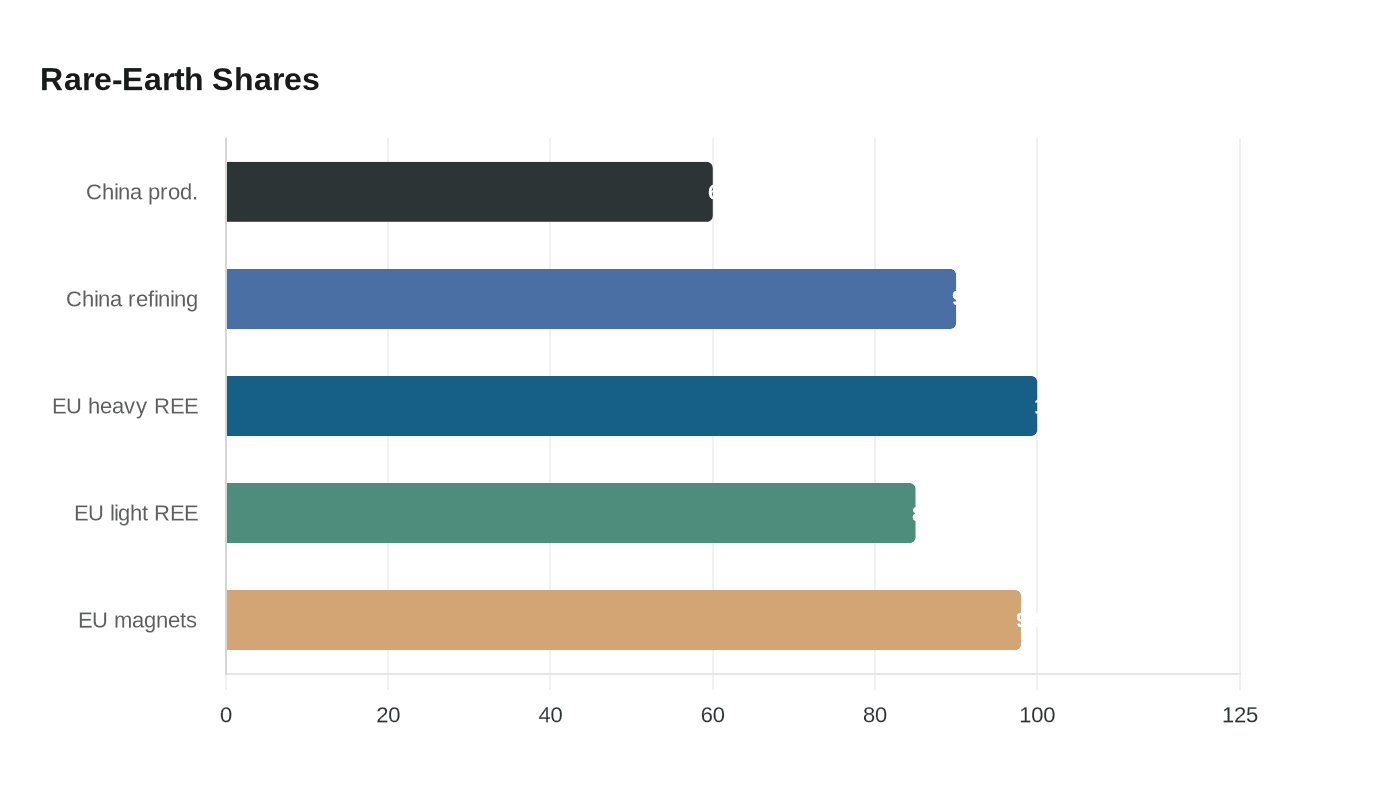
China’s grip on rare earths has given Beijing leverage far beyond trade headlines, and the summit was set to test whether that pressure would ease or harden. A temporary postponement of tougher export controls has become one of the most sensitive bargaining chips in the U.S.-China relationship because the materials sit inside aerospace systems, defense hardware, semiconductors, powerful magnets, electric vehicles and chipmaking.
Beijing first imposed export controls on seven rare earth elements on April 4, 2025, in response to Donald Trump’s tariff actions. It then announced a broader second wave of rare-earth and related export controls on October 9, 2025. That broader package was later suspended until November 2026 after the Trump-Xi summit in South Korea, but the April controls remained in place, leaving Washington and global manufacturers still exposed.
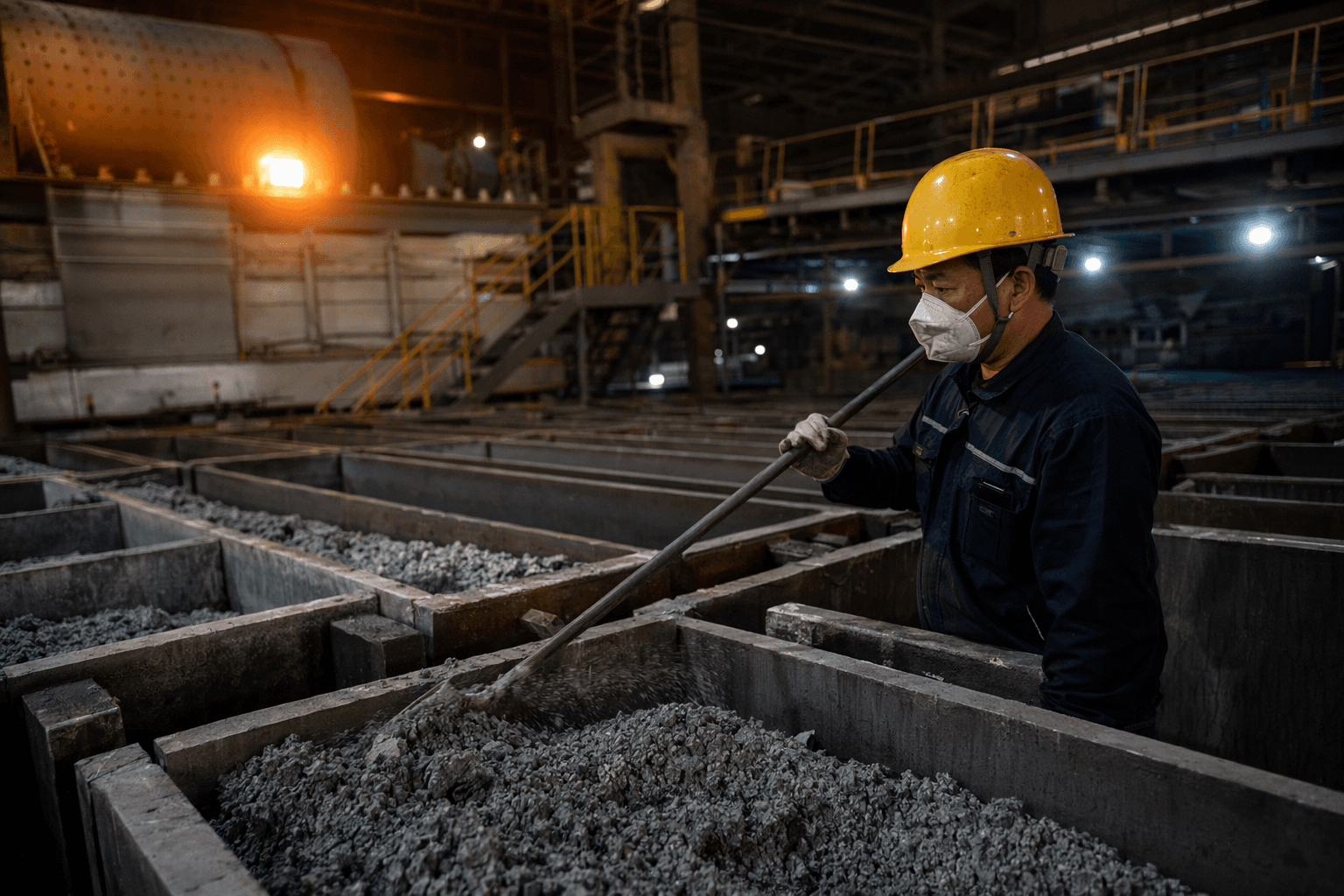
The stakes are larger than a bilateral trade fight. The European Parliament’s research service, citing International Energy Agency data, said China controls about 60% of global rare-earth production and 90% of rare-earth refining. It also said the European Union sources all of its heavy rare earths and 85% of its light rare earths from China, along with 98% of its rare-earth magnets. That concentration gives Beijing a chokehold on inputs that are central to defense production, advanced electronics and the clean-energy buildout.
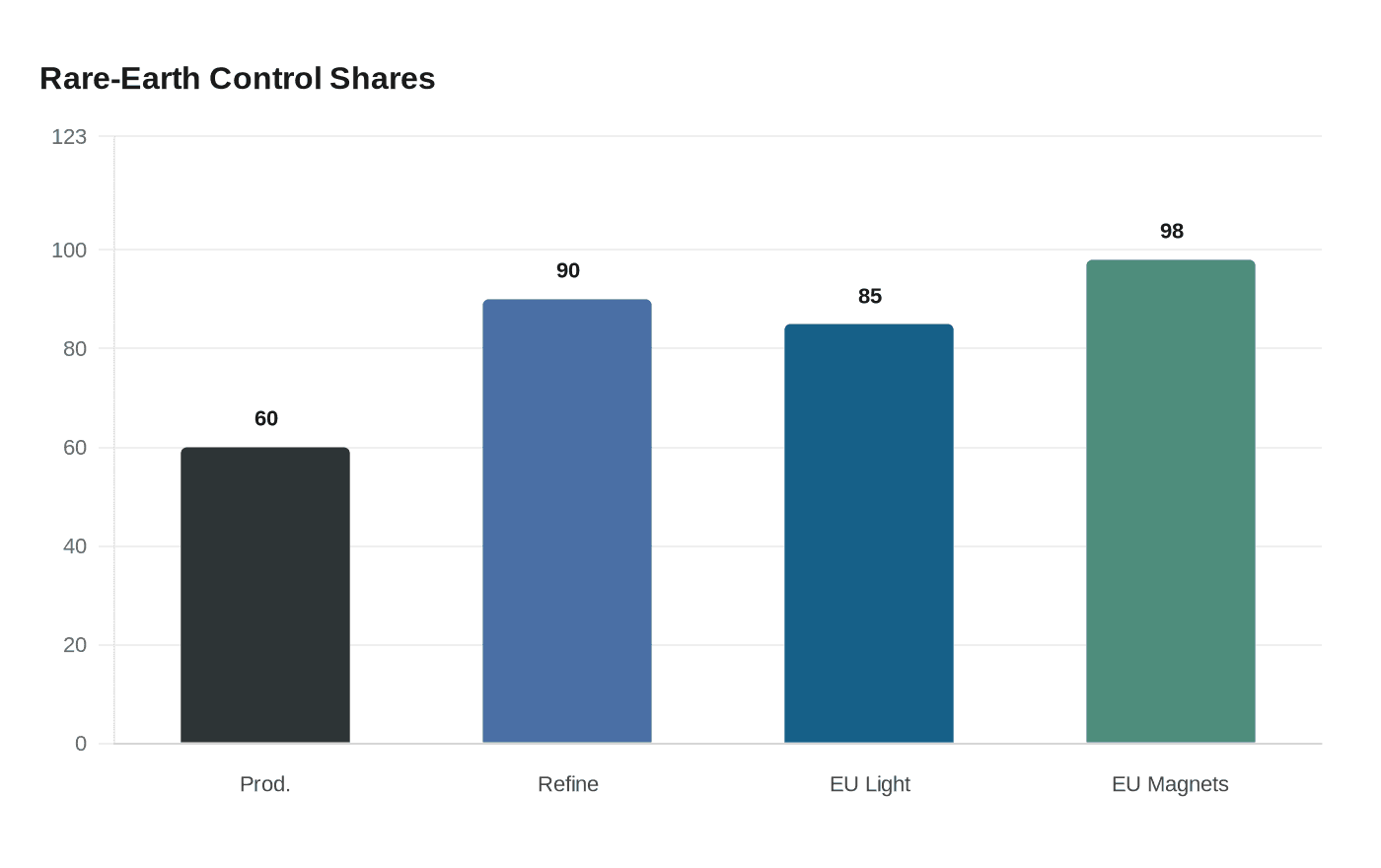
Chinese customs data showed the pressure was still being felt. Exports of the heavy rare earths yttrium, dysprosium and terbium were still down about 50% from pre-control levels, even though total rare-earth exports had largely rebounded. The pattern suggested selective licensing rather than a full reopening, with sensitive supply chains in defense and advanced technology still tightly managed.
There were signs of partial easing, but not a normal flow. China exported 60 tons of yttrium oxide to the United States in March 2026, a specialty rare earth used in aerospace and chipmaking. That shipment was 50% larger than all yttrium shipped to the United States since the controls began, yet it still underscored how uneven and selective the market had become.
The White House has said China agreed at the October summit to “effectively eliminate” its current and proposed rare-earth controls. Beijing has rolled back the broader set of restrictions, but left the April 2025 measures intact. China’s Ministry of Commerce says it approves eligible requests and has defended the controls as a matter of national security. With conversations continuing between Scott Bessent and He Lifeng, the question is no longer whether rare earths matter, but how long Washington can tolerate a supply chain that Beijing can tighten at will.
This article was produced by Prism’s automated news system from verified source data, official records, and press releases, then run through automated quality and moderation checks before publishing. The system is built and supervised by the people who set the standards it runs under. Read our full AI policy.
Did this article answer your question?