China may not rush to restore Gulf oil imports after Hormuz reopening
China’s pullback in Gulf buying is helping cap the oil shock, even as Hormuz reopens and tanker traffic slowly returns.

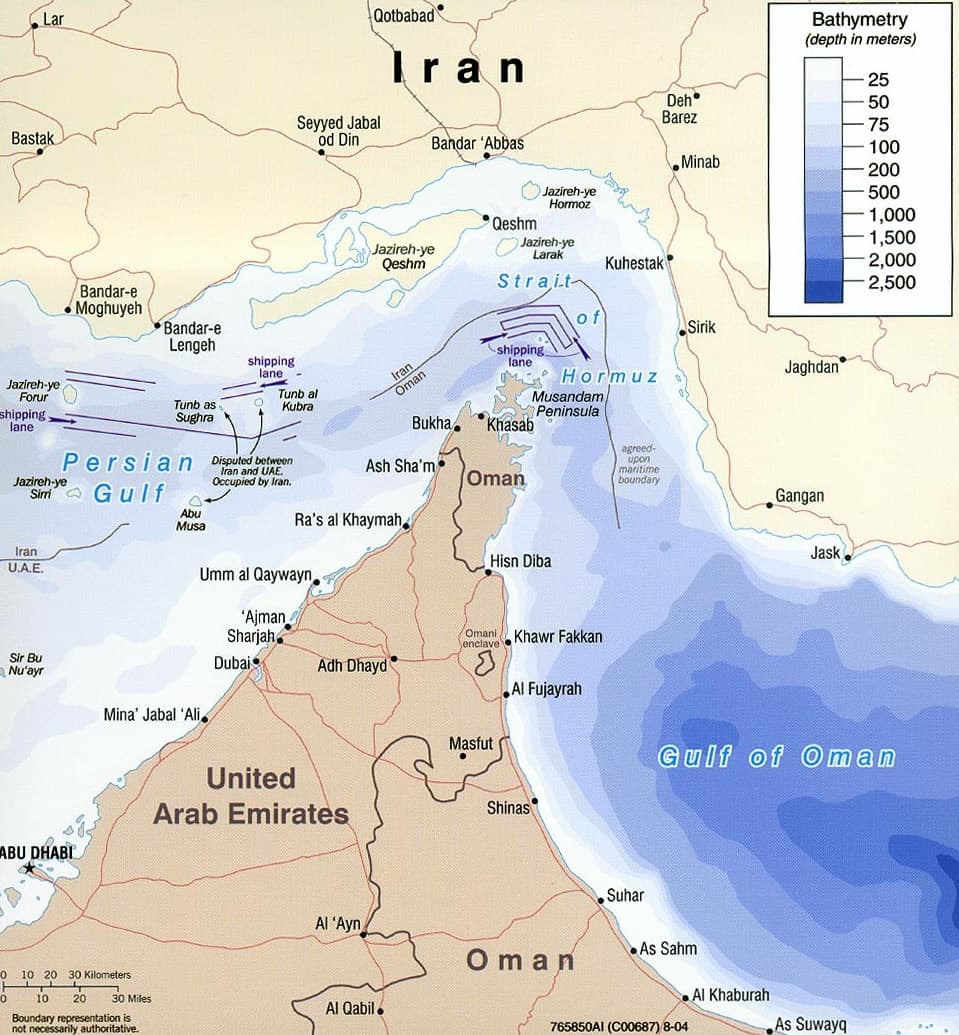
China may not rush back to full-scale Gulf oil buying even as the Strait of Hormuz starts to reopen, a signal that Beijing can outwait a market shock that forces others to scramble. As the world’s largest oil importer, China depends heavily on the route, with more than half of its crude imports coming from the Middle East in 2024 and about 45% of its oil moving through Hormuz.
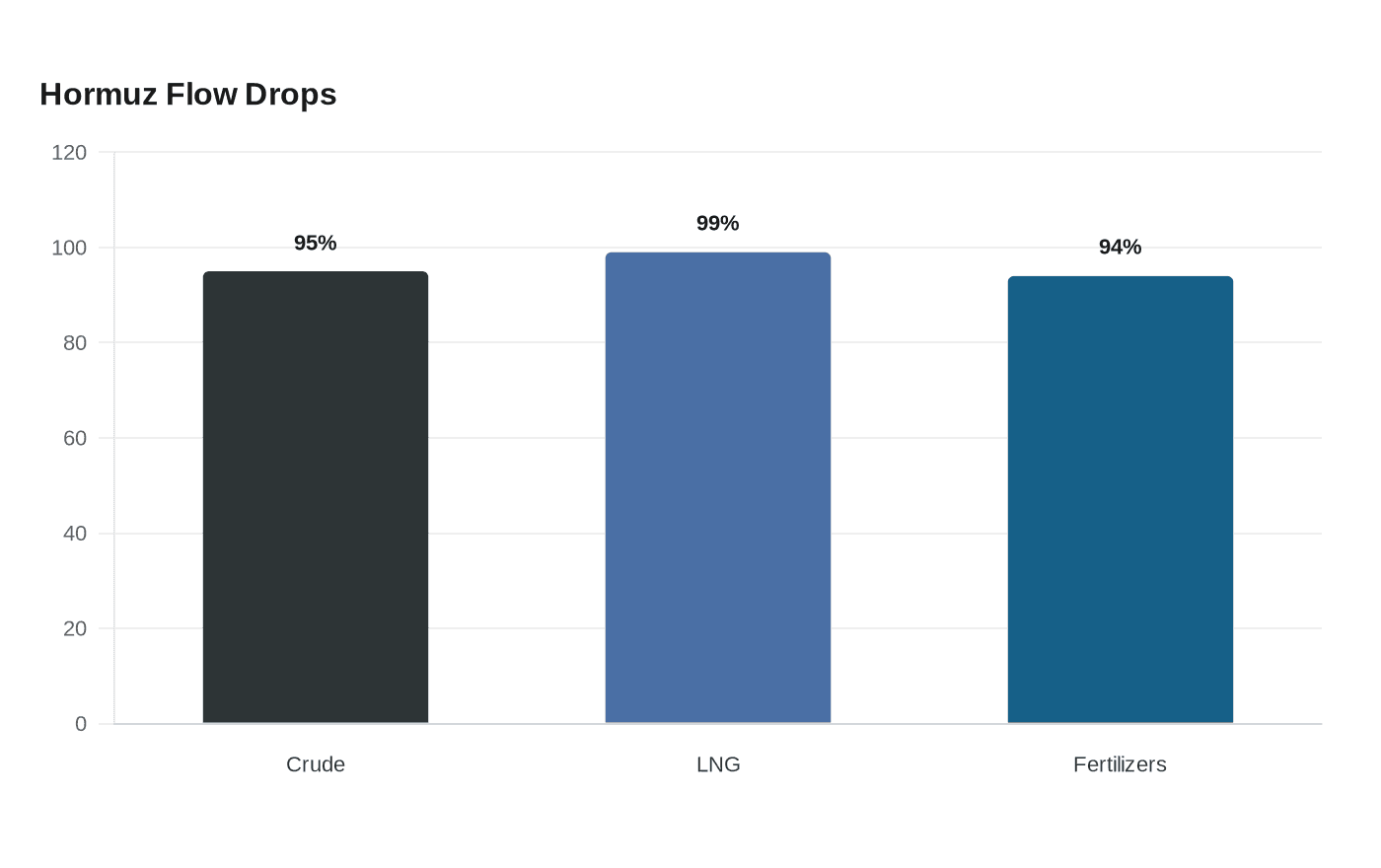
The disruption has already been severe. By June, outbound shipments of crude oil, LNG and fertilizers through the strait had effectively ground to a halt, with crude flows down 95%, LNG down 99% and fertilizer cargoes down 94%. The Strait of Hormuz also carries about one-fifth of the world’s oil, which is why any interruption quickly reaches far beyond Asia.
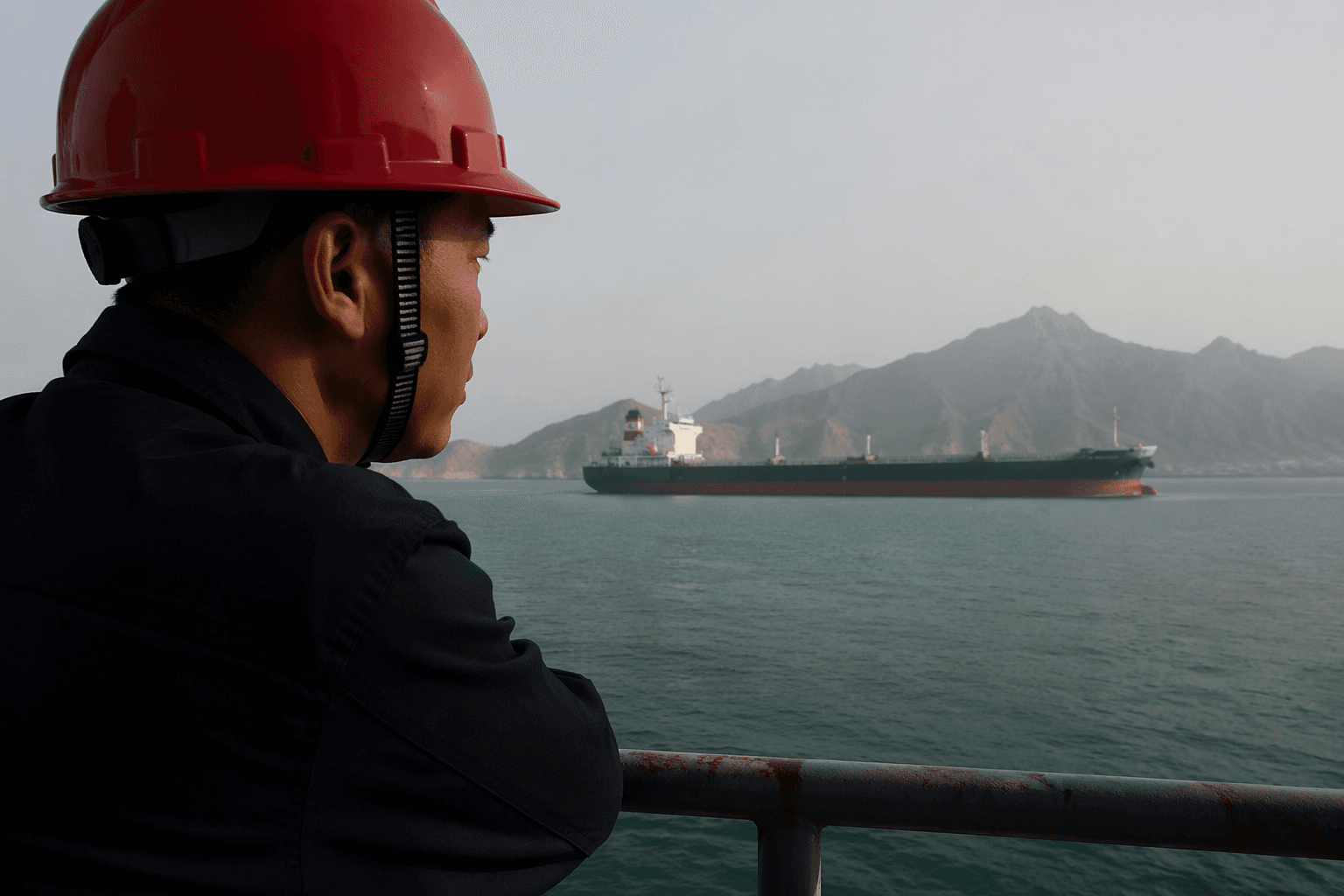
Even with the waterway reopening, the recovery is likely to be gradual. Kpler said traffic could rise to nearly 50% of prewar levels within 30 days, with tankers entering the Persian Gulf climbing to about 12 a day, or roughly half of normal. On Thursday, 25 ships moved through the strait, including 14 oil tankers, and on Friday 11 ships transited, including seven oil tankers and four dry bulk vessels. Industry sources say it could still take weeks to clear the backlog, restore insurance coverage and get tanker traffic back to normal.
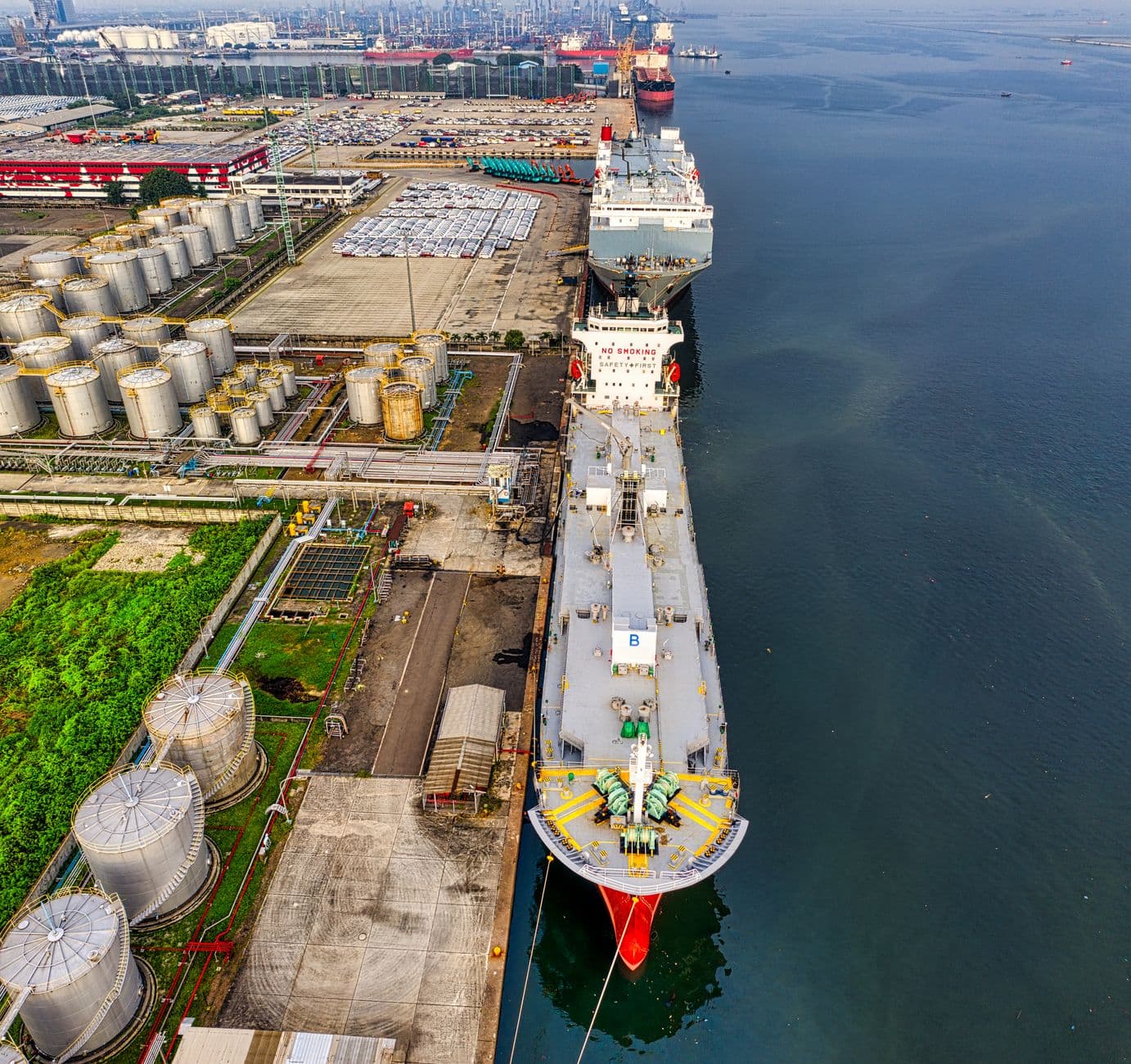
China has the cushion to wait. Beijing has started tapping commercial crude reserves, while refiners have cut runs and fuel exports to manage the shock. Chinese refiners reportedly reduced output to the weakest level in nearly four years after crude imports fell to an eight-year low. That gives Chinese buyers room to hold back until freight rates ease and tanker supply improves, rather than rush to rebuild Gulf purchases at higher cost.
The broader market impact is already visible. Analysts say China’s import pullback helped absorb part of the global energy shock and cap the price spike, while U.S. and Chinese market behavior together softened the disruption. For producers, that weakens the expectation that any reopening in Hormuz will immediately restore demand to prewar levels. For Beijing, it preserves leverage: when a chokepoint carries so much of the world’s oil, the country with reserves and refining flexibility can afford to wait.
This article was produced by Prism’s automated news system from verified source data, official records, and press releases, then run through automated quality and moderation checks before publishing. The system is built and supervised by the people who set the standards it runs under. Read our full AI policy.
Know something we missed? Have a correction or additional information?
Submit a Tip