China Orders Meta to Unwind $2 Billion Manus AI Deal
Beijing ordered Meta to unwind its $2 billion Manus deal, turning an AI acquisition into a fresh front in the U.S.-China tech war.
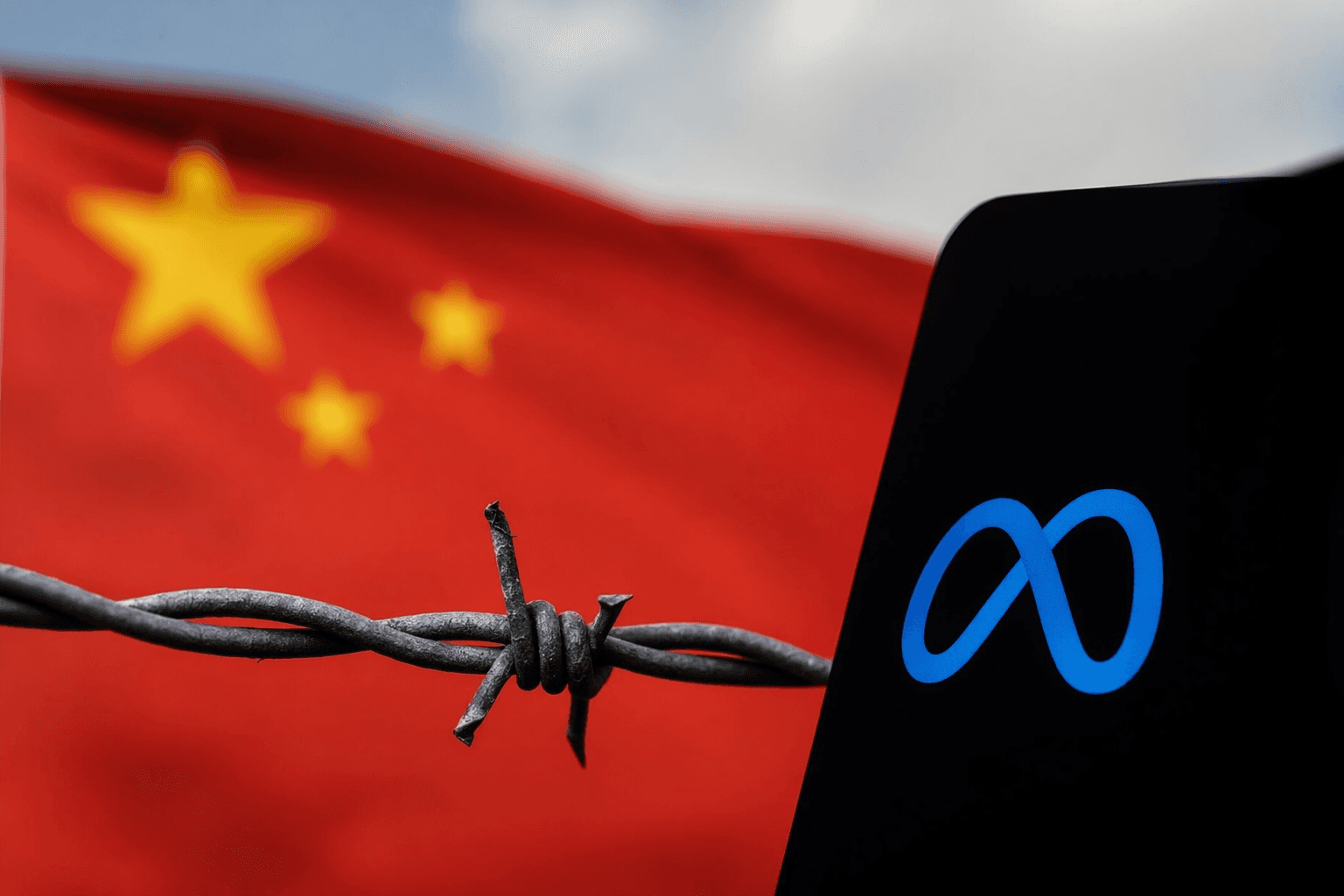
China’s National Development and Reform Commission blocked Meta Platforms’ $2 billion acquisition of Manus on April 27 and ordered the companies to cancel or unwind the transaction. The move targeted an agentic AI startup with Chinese roots, and it underscored how quickly cross-border dealmaking can become a strategic battleground when advanced AI is at stake.
Beijing had opened a probe into the Manus deal in January, then escalated the review in March by barring two Manus co-founders from leaving the country. Meta said in March that the acquisition “complied fully with applicable law,” but Chinese regulators still moved to shut it down, signaling that legal compliance alone may not be enough when a transaction touches sensitive technology and talent flows.
The decision landed as a warning shot well beyond one company. For Beijing, blocking the deal was not just about Manus, but about controlling the outflow of AI expertise and limiting the reach of a major American tech player in a sector China sees as strategically decisive. The Washington Post described the move as Beijing’s most aggressive step yet to stanch the loss of AI talent to the United States, while Bloomberg said the ruling could chill Chinese tech founders who might otherwise seek foreign partners.

The broader message is that merger review is becoming part of the rivalry between Washington and Beijing. Reuters reported that China has been moving to curb U.S. investment in Chinese technology companies, suggesting the Manus ruling fits a wider pattern rather than a one-off intervention. Bloomberg also noted that the decision came just weeks before a planned summit between Donald Trump and Xi Jinping, adding political pressure to an already fraught technology relationship.
For global tech firms, the unwind raises a harder question: whether strategic acquisitions in China are still viable at all. A deal once framed as a standard growth move now looks like a test case for regulatory retaliation, cross-border technology transfer concerns, and the shrinking room for multinational firms to buy into China’s AI ecosystem without becoming entangled in geopolitics.
This article was produced by Prism’s automated news system from verified source data, official records, and press releases, then run through automated quality and moderation checks before publishing. The system is built and supervised by the people who set the standards it runs under. Read our full AI policy.
Did this article answer your question?