China property slump may be easing, Reuters poll shows
China’s home-price slide is slowing, but the market still points to only stabilization, with a 0.3% rise not expected until 2027.

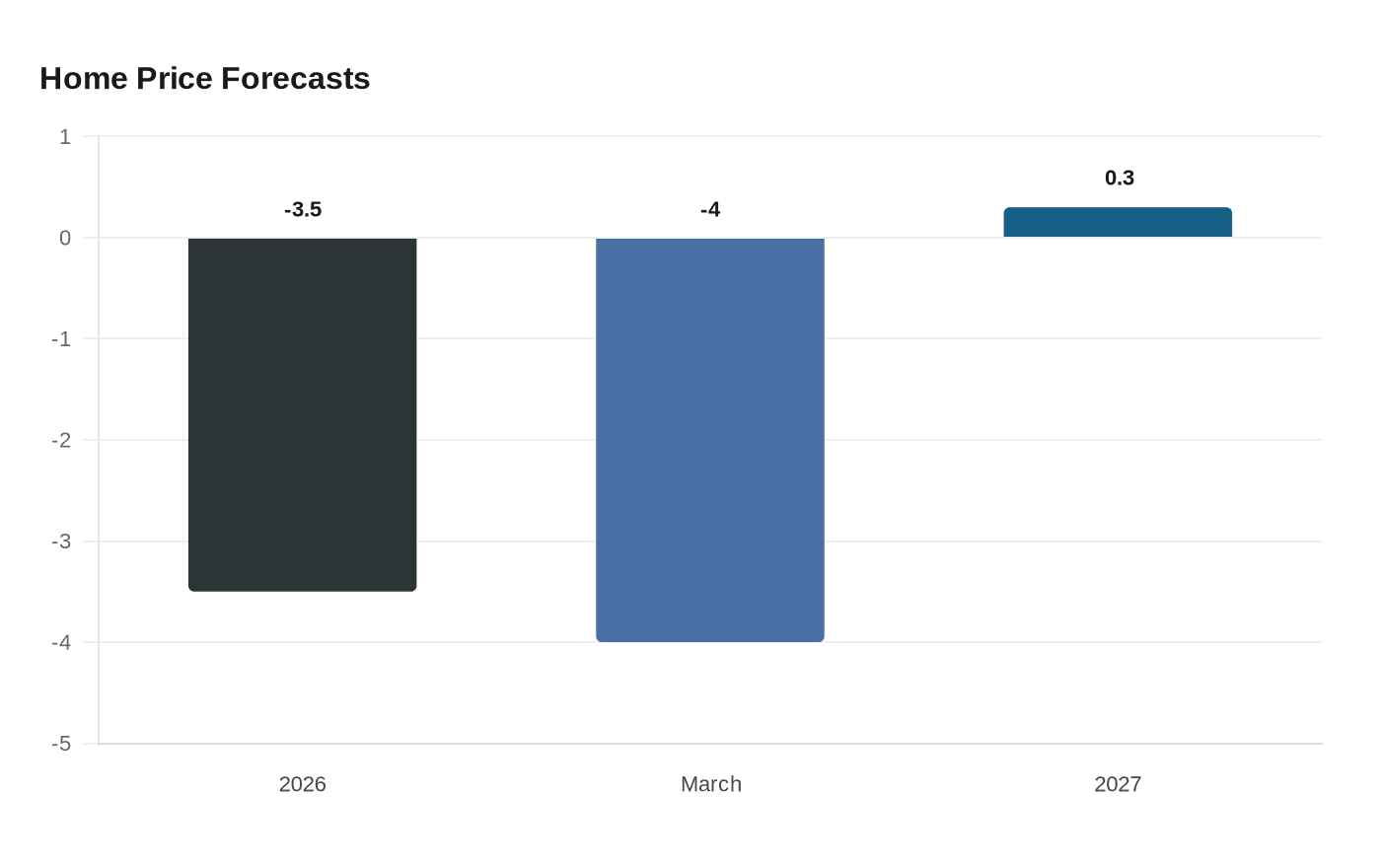
A slower drop in Chinese home prices is offering some relief, but it is still a stabilization story, not a recovery. A housing poll taken from May 18 to May 28 found prices are expected to fall 3.5% in 2026, a smaller decline than the 4.0% drop forecast in March, before edging up just 0.3% in 2027.
That slight improvement matters because it suggests the property market may be moving into a slower adjustment phase rather than heading for a fresh collapse. But the underlying weakness remains severe. The long slump continues to weigh on confidence, jobs, household wealth and the wider economy, while excess inventory and subdued demand still define the market.
Recent official data showed how fragile the floor remains. New-home prices in 70 cities fell 3.5% year on year in April, while the month-on-month decline slowed to 0.1%, the mildest pace in a year. Property investment fell 13.7% in the first four months of 2026, deeper than the 11.2% drop in the first quarter, and sales of newly built commercial buildings were down 10.2% from a year earlier.

The poll also points to another year of contraction for the building industry, even if the pace of decline eases. Property investment is expected to fall 12.0% in 2026, while sales are projected to decline 8.3%. Analysts said weak confidence in jobs, incomes and home-price expectations is still suppressing demand, and that policymakers are trying to prevent a sharp loss of momentum rather than force a full-scale rebound.
Local governments are leaning on targeted support. Shenzhen eased home-purchase restrictions in non-core urban areas effective September 6, 2025, while Guangzhou introduced home-buying subsidies to support demand. The approach reflects an effort to shore up key urban markets while allowing weaker suburban and lower-tier cities to keep adjusting.
Beijing has also kept the policy backdrop supportive. The central government signaled in December 2025 that it would step up urban renewal and work to stabilize the property market in 2026 as part of the 2026-2030 Five-Year Plan. Even so, analysts said the sector may need several more months to find a bottom, and they do not expect a real turnaround until 2027.
For China, the stakes go well beyond housing. Property is tightly linked to local government finances, bank lending, consumer spending and upstream industries from steel to appliances. A slower fall in prices may reduce immediate strain, but it does not solve the deeper problem of a market still searching for a durable demand base.
This article was produced by Prism’s automated news system from verified source data, official records, and press releases, then run through automated quality and moderation checks before publishing. The system is built and supervised by the people who set the standards it runs under. Read our full AI policy.
Did this article answer your question?