China readies second LNG terminal for sanctioned Russian cargoes
China’s Longkou terminal could open a second route for sanctioned Arctic LNG 2 cargoes, widening a lifeline that already moved 41 shipments through Beihai.
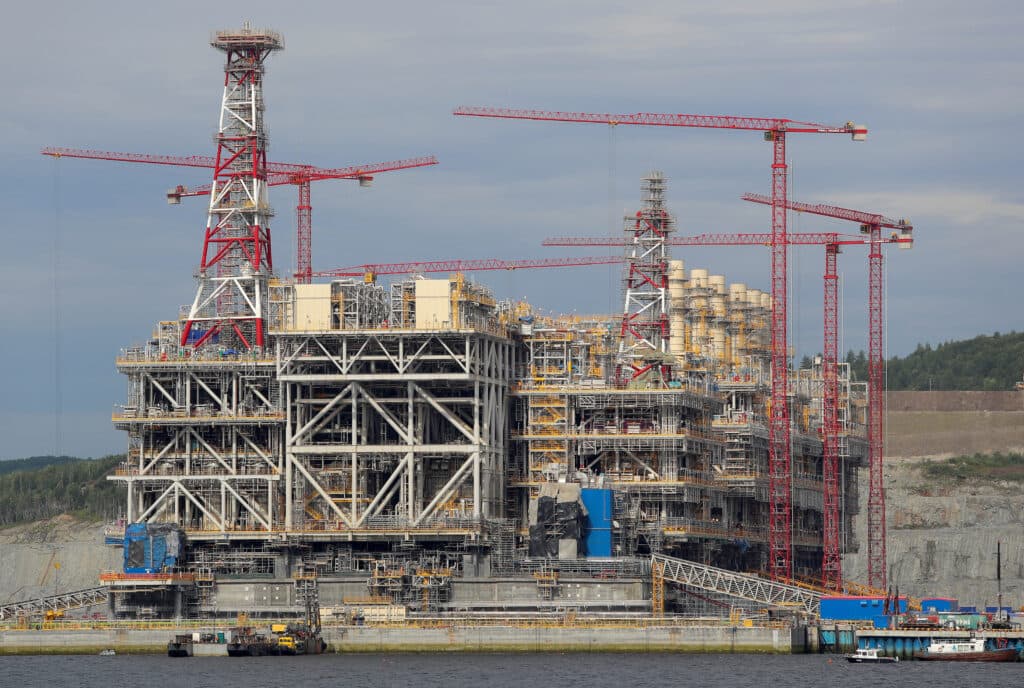
China is lining up a second import terminal for liquefied natural gas from Russia’s sanctioned Arctic LNG 2 project, a step that would widen the only known commercial route for cargoes Washington and Europe have tried to choke off. The Longkou LNG terminal in eastern Shandong province, operated by state pipeline giant PipeChina, is being prepared to handle the shipments and could be ready before October, just as winter gas demand begins to climb.
The move matters because Beihai, in Guangxi, has been carrying the burden almost alone. That terminal took Arctic LNG 2’s first delivery to an offtaker in August 2025 aboard the Arctic Mulan tanker, which arrived on Aug. 28, 2025. Since then, Beihai has received 41 cargoes, or 2.6 million tons, of LNG from Arctic LNG 2, according to ship-tracking data and Kpler estimates. It has also taken three cargoes from Russia’s sanctioned Portovaya facility, showing how China’s import system has already become a pressure valve for Russian gas.
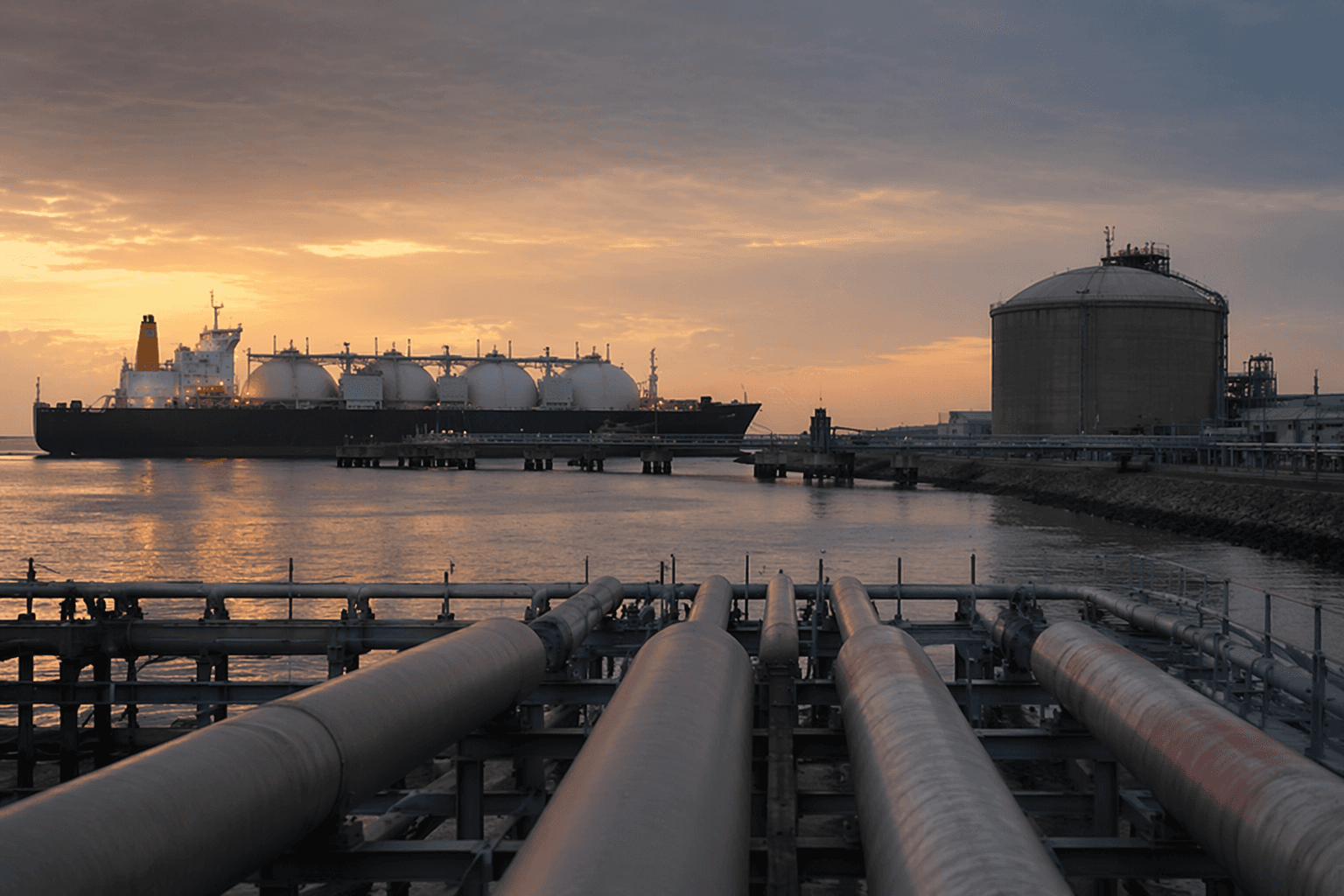
Longkou would ease that bottleneck. Its first phase has an annual receiving capacity of 5 million tons, enough to spread out arrivals and reduce reliance on a single southern terminal. PipeChina’s Dalian terminal in northeastern China is also being discussed as a possible future receiving point, suggesting this is not a one-off workaround but a broader effort to build resilience around sanctioned supply.
The stakes are highest for Arctic LNG 2 itself. The project was designed to become Russia’s largest LNG plant, with eventual output of 19.8 million metric tons a year from three trains, but sanctions have battered its commercialization and shipping. The U.S. expanded sanctions in August 2024, citing deceptive shipping practices that included ship-to-ship transfers and vessels switching off AIS. The European Union sanctioned the Arctic Mulan tanker in July 2025, and Swiss authorities followed on Aug. 12, 2025, yet the cargo still reached China.

For Beijing, the calculus is straightforward: China remained the world’s top LNG importer in 2025 even as imports were expected to decline from the prior year. That gives PipeChina and Chinese buyers room to absorb discounted Russian supply while keeping the lights on and the heaters running. For Moscow, a second Chinese terminal would not just mean another berth. It would show that sanctions can slow Russian LNG, but not necessarily stop it when a major buyer is willing to build the infrastructure around them.
This article was produced by Prism’s automated news system from verified source data, official records, and press releases, then run through automated quality and moderation checks before publishing. The system is built and supervised by the people who set the standards it runs under. Read our full AI policy.
Did this article answer your question?