China restricts exports to 40 Japanese entities, risking supply shocks
Beijing put 40 Japanese firms and research institutes on an export-control list, threatening parts supplies for manufacturers and intensifying diplomatic and economic friction.
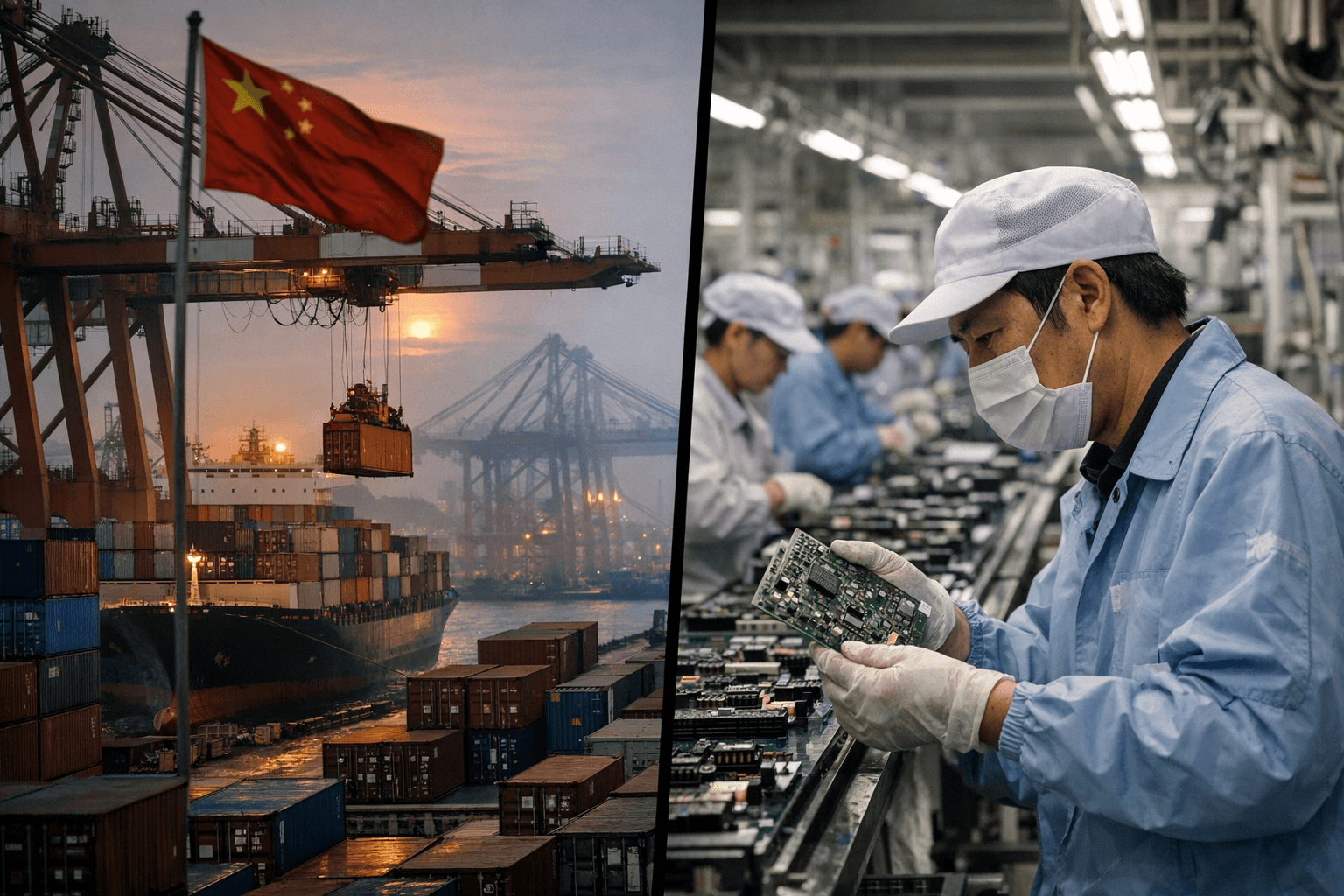
Beijing has moved to restrict exports to 40 Japanese entities it says are contributing to Japan's remilitarization, marking a sharp escalation in economic friction between the two countries. Chinese authorities placed the companies and research organizations on an export-control list and said the measure targets items that could be used for military purposes, immediately narrowing the pool of suppliers for technologies and materials that cross the China-Japan trade corridor.
The action is significant for a commercial relationship that remains among the largest in the world and for industries that rely on specialized Chinese-made components. Japanese manufacturers that source advanced materials, precision machinery or dual-use electronics from Chinese suppliers now face potential delays, higher costs and the need to vet alternative suppliers. Corporate purchasing teams will have to review contracts, inventories and production timetables while compliance officers evaluate whether workarounds are legally permissible.
Beyond commercial disruption, the move has clear institutional implications. Export control lists are a tool of statecraft that intersect trade law, national security policy and diplomatic signaling. Beijing framed the decision as a response to Tokyo's expanded defense posture, folding economic leverage into geopolitical messaging. For Tokyo, the restrictions present a test of policy instruments: whether to pursue reciprocal trade measures, lodge a formal complaint through international trade channels, or prioritize support for firms and workers affected by supply interruptions.
Domestic political consequences could follow. Trade shocks tend to have measurable local impacts on employment and production in export-oriented regions, creating pressure on legislators and executives to provide relief or to change strategy. Policymakers in Japan face competing imperatives: to maintain defense partnerships and procurement plans while shielding the industrial base that depends on trade with China. That tension is likely to become a topic of parliamentary scrutiny and public debate, with opposition parties able to frame the dispute either as an avoidable economic cost or as evidence of strategic necessity.
The restrictions also complicate allied policy coordination. Japan's security ties with partners, particularly the United States, include deeper defense cooperation and procurement alignment. Any interruption in supply chains for components with dual-use applications could ripple into broader programs that depend on tight coordination across borders. At the same time, the use of trade measures tied to security claims raises questions for multilateral governance: how to adjudicate disputes over what constitutes legitimate export control versus economic coercion.
For corporate stakeholders, the immediate priorities will be transparency, risk assessment and contingency planning. Firms affected will need clear timelines from Chinese authorities about the scope of restrictions, categories of goods covered and any licensing processes that might allow continued trade. Tokyo's response options include expedited support for supplier diversification, temporary financial assistance for hit firms, and legal challenges in international forums.
The episode underscores a broader strategic dilemma facing democracies that must balance national security choices with economic openness. Voters and civic organizations are likely to register the consequences in fuel costs, consumer prices or job security, converting an international policy dispute into a domestic political issue. How governments both in Beijing and Tokyo manage the fallout will determine whether the dispute becomes a contained regulatory action or a protracted source of economic and political instability.
This article was produced by Prism’s automated news system from verified source data, official records, and press releases, then run through automated quality and moderation checks before publishing. The system is built and supervised by the people who set the standards it runs under. Read our full AI policy.
Did this article answer your question?

