FAA orders mandatory fixes for Boeing 737-8/9/8200 after overheating reports
The FAA adopted airworthiness directive AD 2026-04-05 requiring compliance by operators of Boeing 737-8, 737-9 and 737-8200 after reports of excessive cabin and flight-deck temperatures.
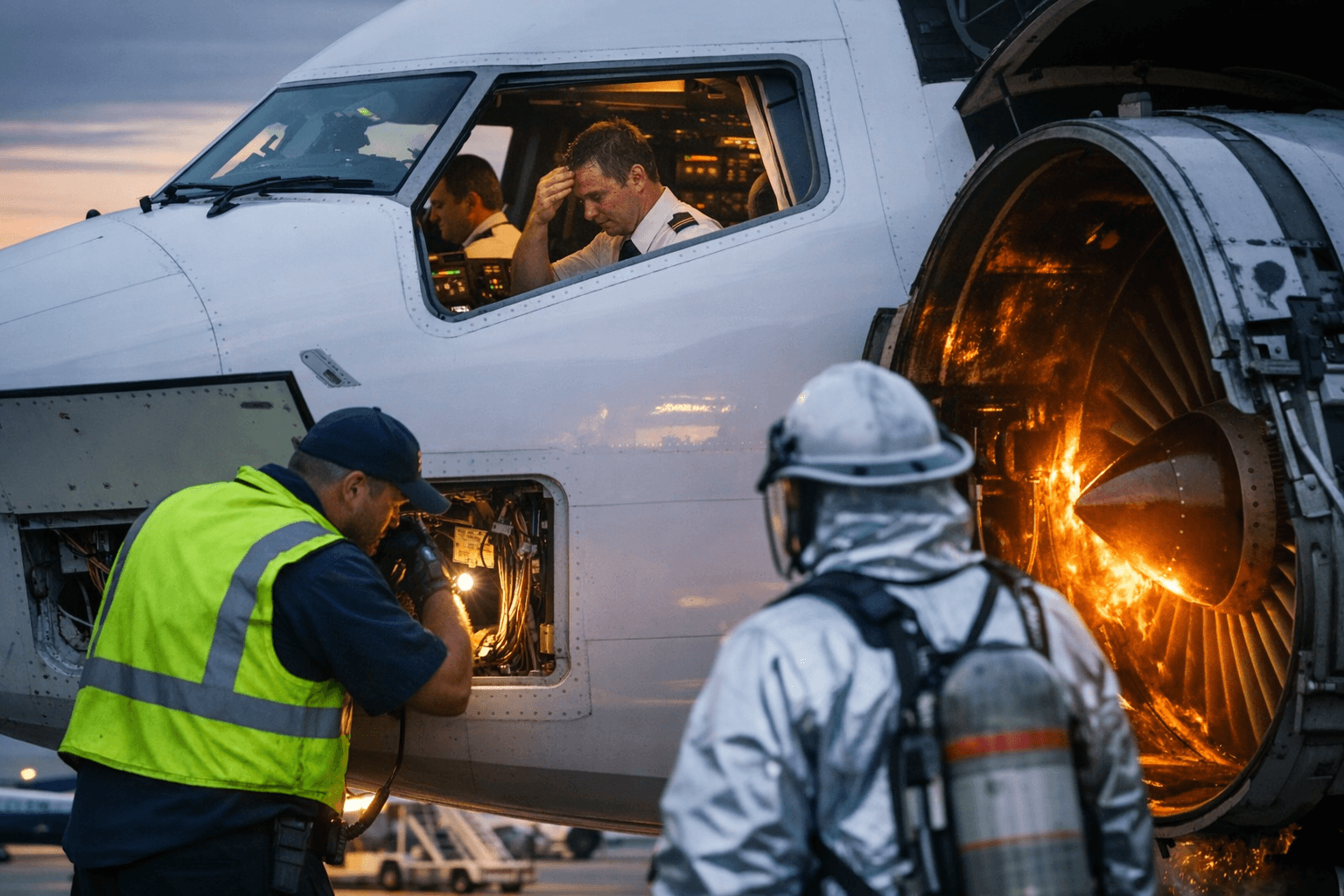
The Federal Aviation Administration adopted airworthiness directive AD 2026-04-05 (docket FAA-2026-1332) on February 24, 2026, imposing legally binding requirements on operators of The Boeing Company Model 737-8, 737-9 and 737-8200 airplanes after regulators concluded recent reports of excessive cabin and flight-deck temperatures constituted an unsafe condition.
The directive compels owners and operators to follow mandated corrective actions and timelines specified in the published docket. Because ADs carry the force of law, operators who do not comply face enforcement action and potential grounding of noncompliant aircraft. The FAA said the measure was necessary to ensure continued safe operation of the affected fleet.
The impacted aircraft models are widely used by major carriers. U.S. airlines including Southwest, American and United operate large numbers of 737-8 and 737-9 variants for domestic and short-haul international routes, while the 737-8200 configuration is a high-density variant used by several international low-cost carriers. The directive therefore touches airline operations, maintenance planning and passenger experience across multiple carriers' schedules and maintenance bases.
An AD that targets cabin and flight-deck temperatures implicates environmental control systems and related thermal-protection elements that affect both passenger comfort and critical cockpit equipment. Regulators characterize persistent, excessive temperatures in passenger cabins and flight decks as more than a comfort issue because elevated ambient heat can degrade avionics, increase crew workload and in extreme cases present direct safety hazards. The FAA's action signals the agency judged the reported incidents serious enough to require mandated fixes rather than voluntary service bulletins alone.
Operational consequences will depend on the specific compliance actions and intervals laid out in the FAA docket. Airlines must now incorporate inspections or modifications into maintenance flows, prioritize affected tail numbers, and coordinate with Boeing and parts suppliers for any required spares or design changes. That logistical work could produce short-term schedule disruptions if aircraft must be removed from service for compliance work. Aircraft that are out of compliance are not legally allowed to fly in U.S. airspace.
The directive also increases scrutiny on Boeing's design and production controls for the 737 MAX family. Since the MAX grounding and subsequent regulatory overhaul in 2019 and 2020, the company has faced sustained attention from lawmakers, regulators and airline customers over safety margins and manufacturing quality. The FAA's AD underscores that post-certification performance issues continue to prompt mandatory regulatory remedies.
Passengers should expect communications from carriers if their flights are affected, and travelers with upcoming itineraries on 737-8, 737-9 or 737-8200 aircraft should monitor airline notices. The FAA docket number for the directive is FAA-2026-1332; the full text and compliance instructions are posted on the agency's regulatory docket for operators and maintenance providers to follow.
This article was produced by Prism’s automated news system from verified source data, official records, and press releases, then run through automated quality and moderation checks before publishing. The system is built and supervised by the people who set the standards it runs under. Read our full AI policy.
Did this article answer your question?