Samsung prices Galaxy S26 Ultra at $1,299 and opens preorders, shipping March 14
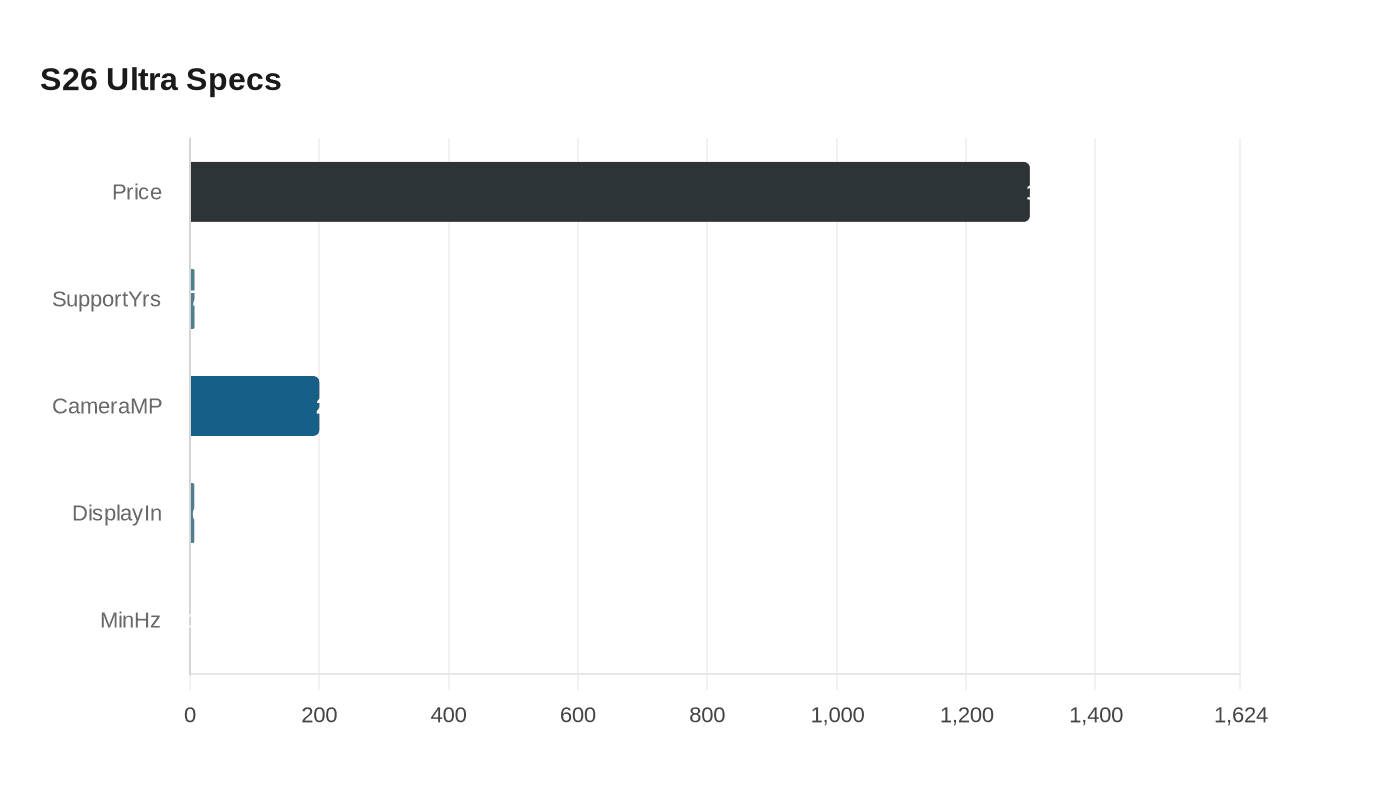
Samsung set the Galaxy S26 Ultra starting at $1,299, opened preorders at Unpacked, and announced a March 14 ship date—moves that will reshape carrier upgrade plans and trade-in markets.
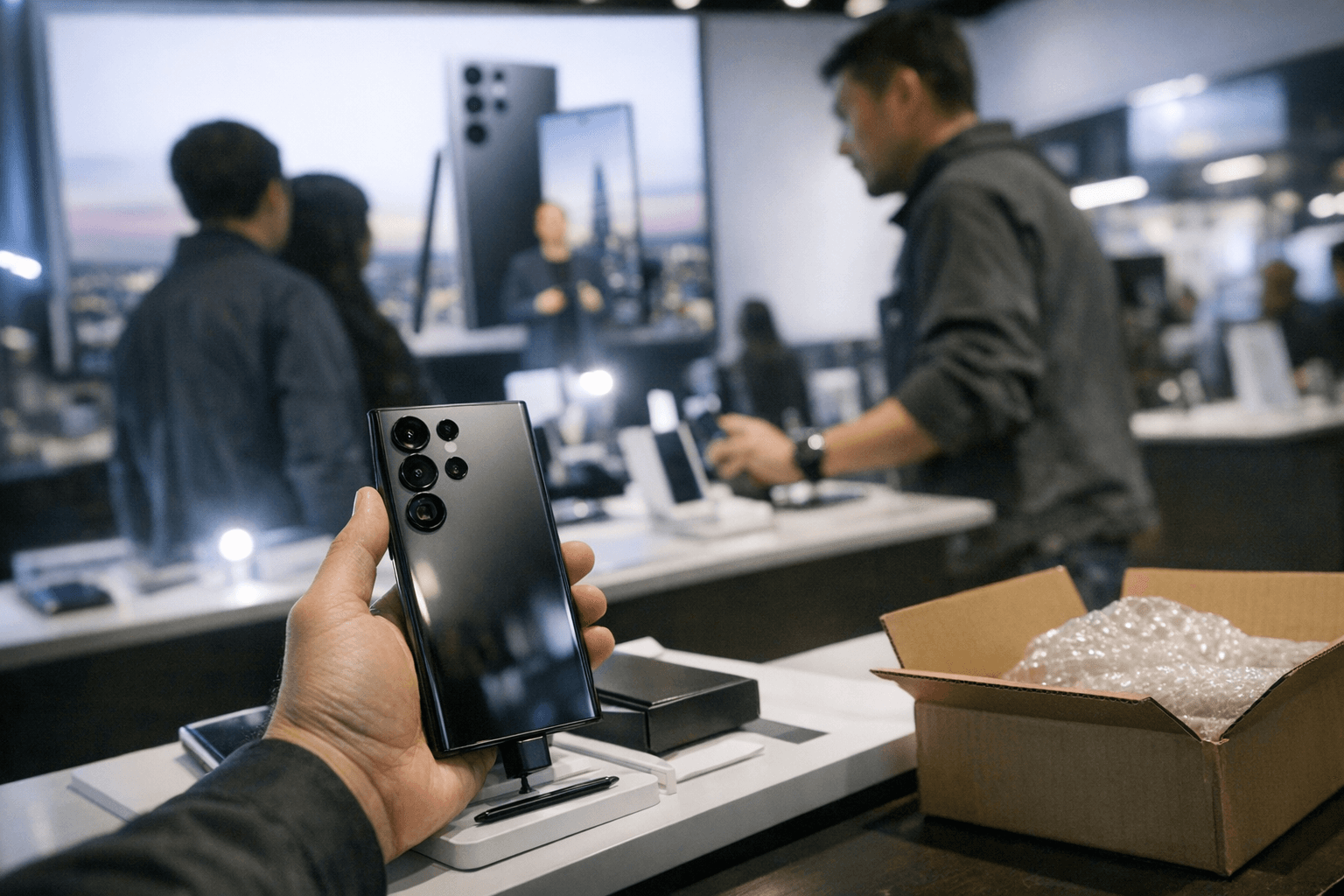
Samsung priced the Galaxy S26 Ultra at $1,299 and opened preorder sales during its Unpacked event today, committing to a March 14 ship date for the new flagship that will shift carrier upgrade calendars and tighten consumer wallets. The company confirmed a broader S26 family and said it will deliver seven years of security and software updates for the lineup, a policy with implications for device longevity and electronic-waste management.
The S26 Ultra arrives with what Samsung described as a major camera and battery overhaul intended to justify the premium price. The handset pairs a 200-megapixel primary sensor with an expanded periscope telephoto array and a 6.8-inch LTPO display supporting adaptive refresh down to 1Hz. Samsung also touted a higher-capacity battery than its predecessor, positioning the Ultra for a full day of heavy use under 5G and continuous camera processing.
Samsung opened trade-in and carrier preorder promotions immediately. Major U.S. carriers including Verizon, AT&T and T-Mobile confirmed early partnerships to offer monthly device-financing plans tied to the $1,299 base price and trade-in credits that can reduce up-front cost for current customers. Retail partners such as Best Buy and Samsung.com went live with preorder bundles that include accelerated replacement options and extended warranties, moves that will concentrate resale flows and affect the aftermarket for refurbished phones.
The commercial decisions behind the launch carry clear public health and equity consequences. A $1,299 entry for the Ultra concentrates the newest hardware among higher-income consumers and increases pressure on service plans for low- and middle-income households that must choose between costly upgrades and extending the life of older devices. Samsung’s seven-year update promise improves software longevity and could reduce forced obsolescence, but access to repair and trade-in programs often favors those who can front the cost, leaving vulnerable populations reliant on older, less secure devices.
Device pricing and release cadence also matter for healthcare and social services that depend on smartphone access. Clinics, public benefits programs and telehealth providers that prescreen tools for compatibility will face a staggered device ecosystem where newer security features are held by a subset of users. Public health agencies tracking exposure notification, contact tracing and telemedicine adoption must account for widened hardware gaps as carriers and retailers push high-priced flagships through trade-in funnels.
Environmental impact is another immediate consequence. Longer software support reduces the need for replacement for some users, potentially lowering e-waste volumes. At the same time, aggressive trade-in discounts and carrier promotions accelerate flows of used devices into secondary markets. How Samsung, carriers and retailers manage refurbishment, recycling and repair networks will determine whether the launch increases or decreases the lifecycle sustainability of tens of millions of phones sold annually.
Samsung’s Unpacked event made the commercial stakes explicit: the Galaxy S26 Ultra is priced to command premium margins and to reset upgrade cycles for carriers and retailers. The company’s next moves on trade-in fairness, repair access and secondary-market support will decide whether the flagship broadens the digital divide or helps close it.
Sources:
Know something we missed? Have a correction or additional information?
Submit a Tip