Nobel laureate Richard Axel resigns Columbia post amid Epstein document fallout
Richard Axel resigned as co-director of Columbia's Zuckerman Mind Brain Behavior Institute after his friendship with Jeffrey Epstein surfaced in newly released documents, intensifying scrutiny of academic ties.
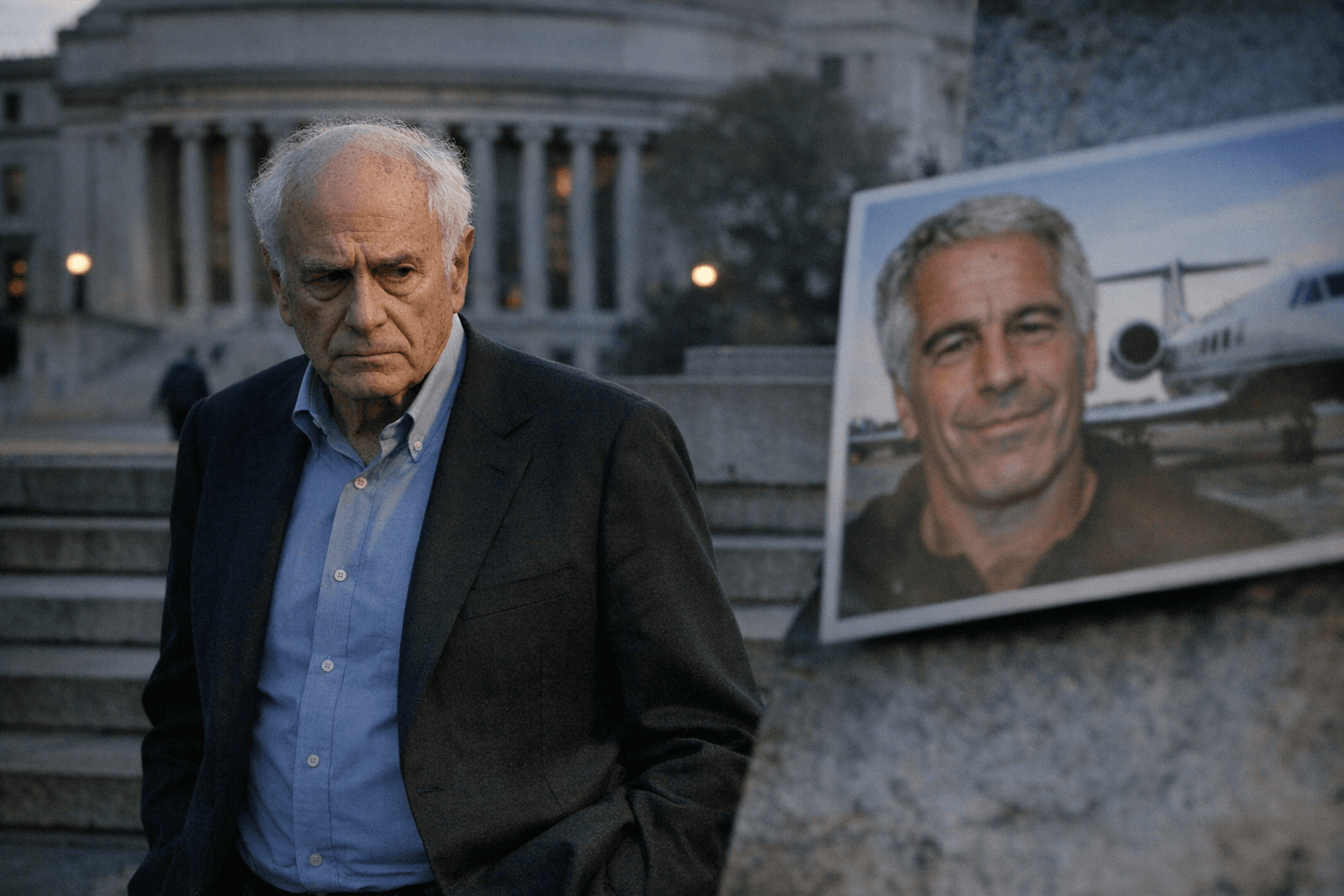
Richard Axel resigned as co-director of Columbia University's Zuckerman Mind Brain Behavior Institute on February 25, 2026, after newly released Epstein-related documents highlighted his friendship with Jeffrey Epstein. The move removes a high-profile scientific leader from an institute that anchors Columbia's basic neuroscience research and accelerates scrutiny of academic relationships with controversial donors.
Axel, a Nobel laureate in Physiology or Medicine whose work on the olfactory system earned the 2004 prize, had been a central figure at Zuckerman, guiding large laboratories and collaborative projects that attract federal grants and private philanthropy. His departure creates an immediate leadership gap at an institute that coordinates cross-departmental research and fundraising for neuroscience initiatives across the university.
The resignation follows a tranche of documents that investigators and media outlets have released in recent weeks, which have underscored the breadth of Jeffrey Epstein's connections to academic institutions. While Epstein's arrest and death in 2019 prompted an earlier round of disclosures and institutional reviews, the latest releases have revived attention on personal relationships that linked prominent academics to Epstein after his 2008 conviction and 2019 arrest.
Operationally, the most immediate impact will be internal: Zuckerman faces a short-term transition as it replaces a co-director who oversaw research priorities and represented the institute to donors and federal agencies. Research teams led by Axel may encounter leadership uncertainty at a time when laboratory continuity and grant reporting are critical for maintaining National Institutes of Health and other funding streams. Fundraising activities tied to the institute risk increased scrutiny from prospective donors and university advancement offices, which may pause or reconfigure engagement until governance questions are resolved.
The reputational cost extends beyond Columbia. Universities nationwide that accepted donations or hosted relationships linked to Epstein face renewed pressure from faculty, students, alumni, and elected officials to disclose past ties and to strengthen donor-vetting processes. Academic finance officials and development shops will likely need to weigh the near-term trade-off between large philanthropic gifts and long-term institutional trust. For research institutions that rely on private philanthropy to fund capital projects and early-stage science, heightened due diligence could slow gift commitments and complicate budgeting for multi-year initiatives.
Policy implications are already emerging as a theme. The episode reinforces long-term trends toward greater transparency in university governance and donor disclosure. State lawmakers and federal oversight bodies have in recent years proposed measures aimed at increasing public access to institutional donor records and tightening conflict-of-interest rules. Those proposals gain fresh momentum each time high-profile ties to disgraced donors surface.
Columbia's next steps will determine whether the episode prompts a formal review of past relationships or immediate changes to governance at Zuckerman. For the broader research community, Axel's resignation signals that academic stature and scientific achievement do not insulate institutions from reputational and operational fallout when connections to criminal actors are revealed. The development is likely to prompt university leaders to accelerate reforms that balance fundraising goals with safeguards to protect institutional integrity and the stability of scientific programs.
This article was produced by Prism’s automated news system from verified source data, official records, and press releases, then run through automated quality and moderation checks before publishing. The system is built and supervised by the people who set the standards it runs under. Read our full AI policy.
Did this article answer your question?