China says climate cooperation will continue without the United States
China used a Brussels climate summit to argue that Paris cooperation will keep moving without Washington, as U.S. absence sharpens the fight over who leads next.
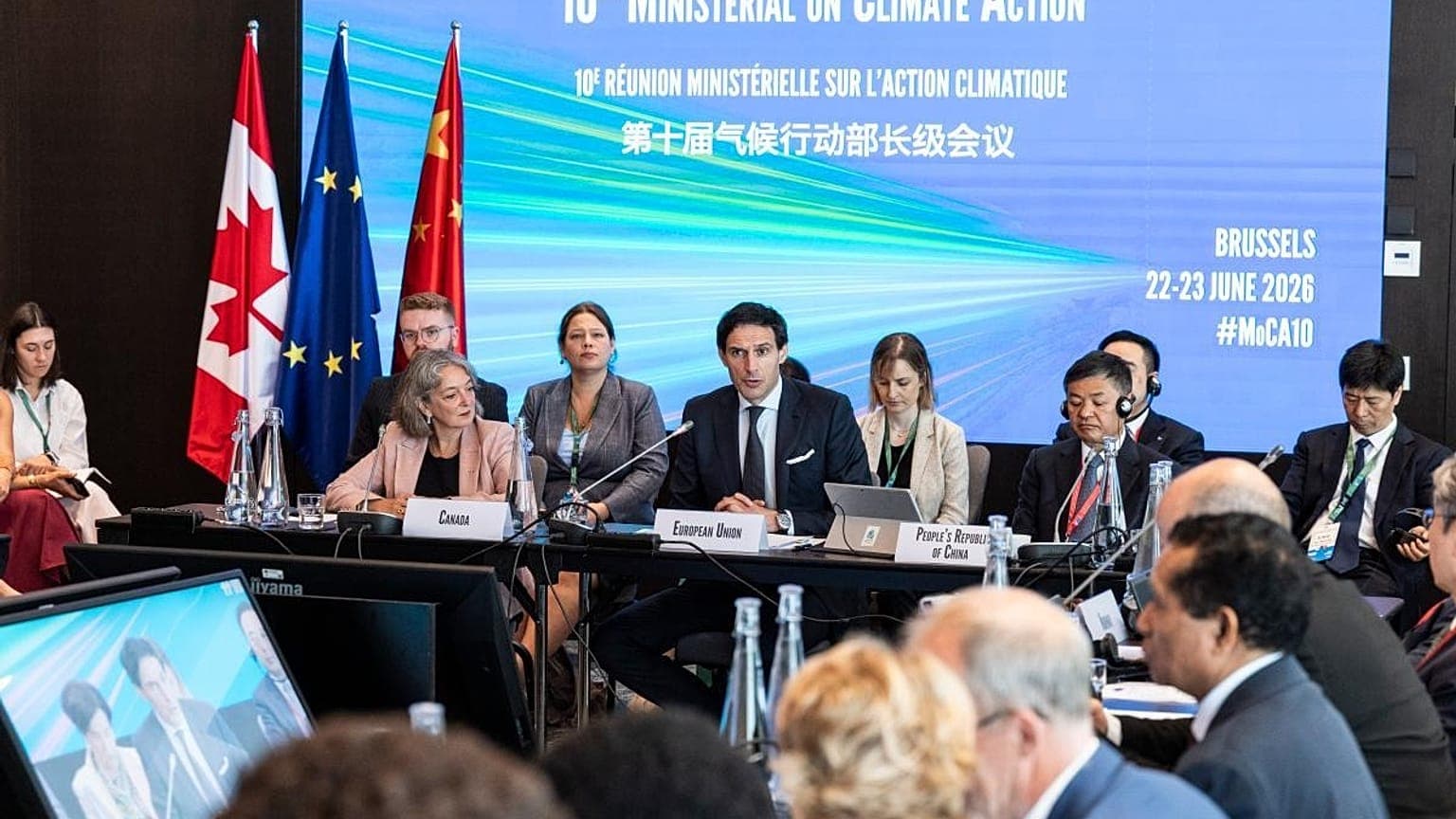
China used a Brussels climate meeting to argue that the Paris process will not slow down just because the United States has stepped away. Huang Runqiu, China’s environment minister, told delegates that the multilateral effort would not stop or even slow because of the absence of individual countries, and he cast the low-carbon transition as irreversible.
The message landed at the 10th Ministerial on Climate Action, a format run by the European Union, Canada and China that has existed since 2017. The two-day meeting in Brussels brought together ministers and representatives from about 30 governments, including officials from international climate negotiations, and was scheduled to continue through Tuesday, June 23, as governments prepared for the next U.N. climate summit.
That summit, COP31, is set for Antalya, Türkiye, from Nov. 9 to Nov. 20, 2026. The backdrop is the United States’ formal exit from the Paris Agreement on Jan. 27, 2026, after President Donald Trump initiated withdrawal on Jan. 20, 2025. The departure made the United States the only country to leave the pact twice, a distinction that has given China’s climate diplomacy added weight as Washington again sits outside the process.
Beijing is trying to occupy a practical lane rather than a purely symbolic one. Alongside the European Union and Canada, China is presenting itself as part of a core group still capable of shaping the agenda for the talks ahead, even as climate diplomacy becomes more fragmented. Officials from Japan, Australia and South Africa also took part, underscoring that the Brussels meeting was intended to keep a wider negotiating coalition engaged before Antalya.
Huang tied the climate case to the war in Iran, arguing that disruption to oil and gas supplies strengthens the argument for the green transition. He said the energy crisis triggered by the conflict has made countries further recognize that green and low-carbon development helps coordinate energy transition and energy security. In Brussels, that argument echoed a broader European line: Wopke Hoekstra, the EU climate commissioner, has argued that the answer to geopolitical and climate shocks is faster electrification, not a slower transition.
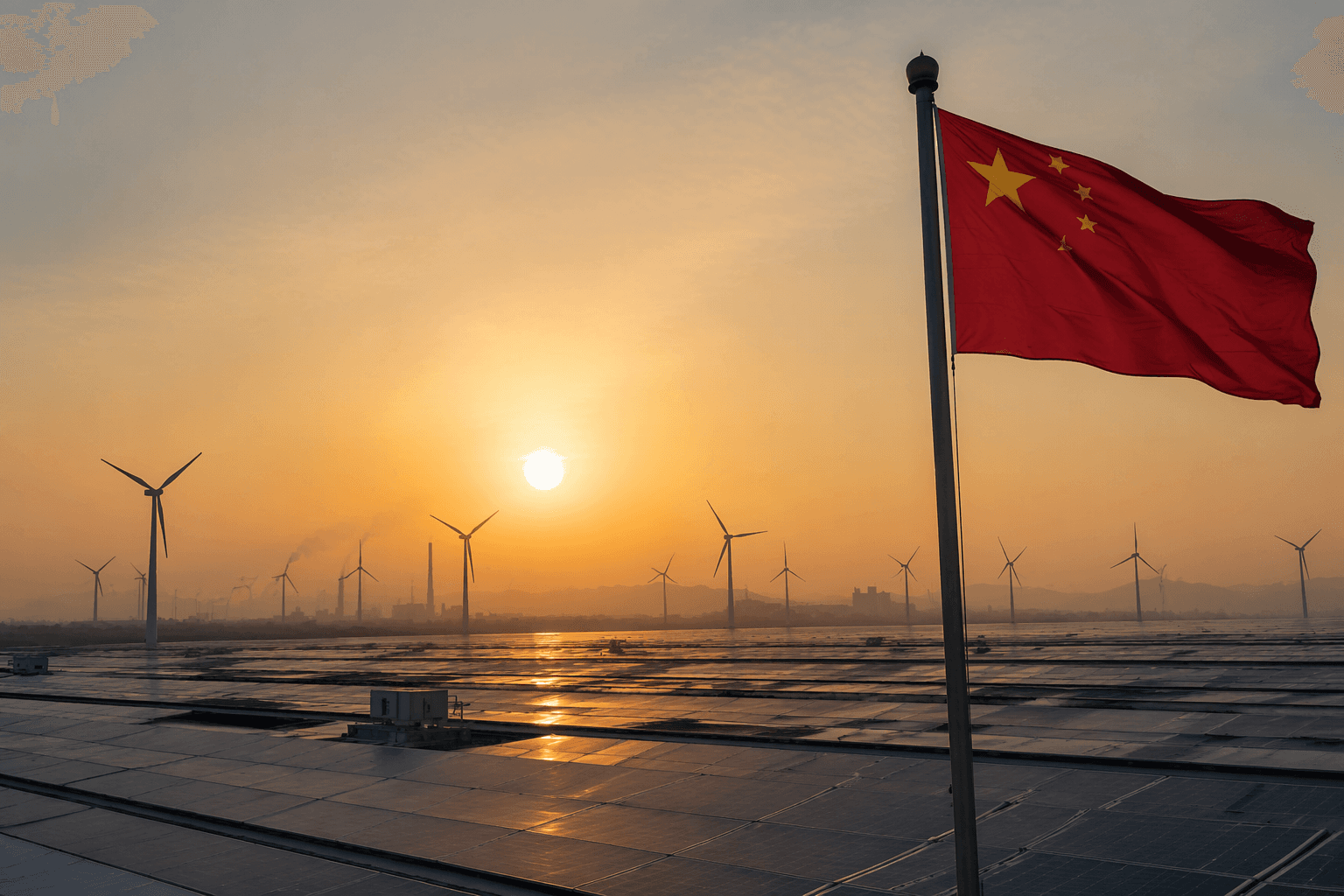
The credibility test for China is whether its rhetoric matches its record. Beijing is seeking to present itself as a defender of the international climate order at a moment when the system looks more divided, while tensions with Europe persist over trade and China’s dominance in clean-tech supply chains, including solar panels. With Washington out and COP31 approaching, the vacuum is real, and the question in Brussels was not whether climate diplomacy survives, but who can claim to lead it with enough trust to matter.
This article was produced by Prism’s automated news system from verified source data, official records, and press releases, then run through automated quality and moderation checks before publishing. The system is built and supervised by the people who set the standards it runs under. Read our full AI policy.
Did this article answer your question?