China says tariff cuts with U.S. are only preliminary, contradicting Trump
Beijing called the tariff, farm and aircraft deals “preliminary,” even as Trump cast the South Korea summit as a one-year framework with concrete wins. The split points to leverage, not closure.

China’s commerce ministry undercut President Donald Trump’s version of his meeting with Xi Jinping by saying the tariff, agricultural and aircraft deals struck during Trump’s visit were only “preliminary” and that the details were still being negotiated. The gap mattered because it suggested the two governments were selling the same summit to different audiences, each trying to project strength while keeping the real bargaining open.
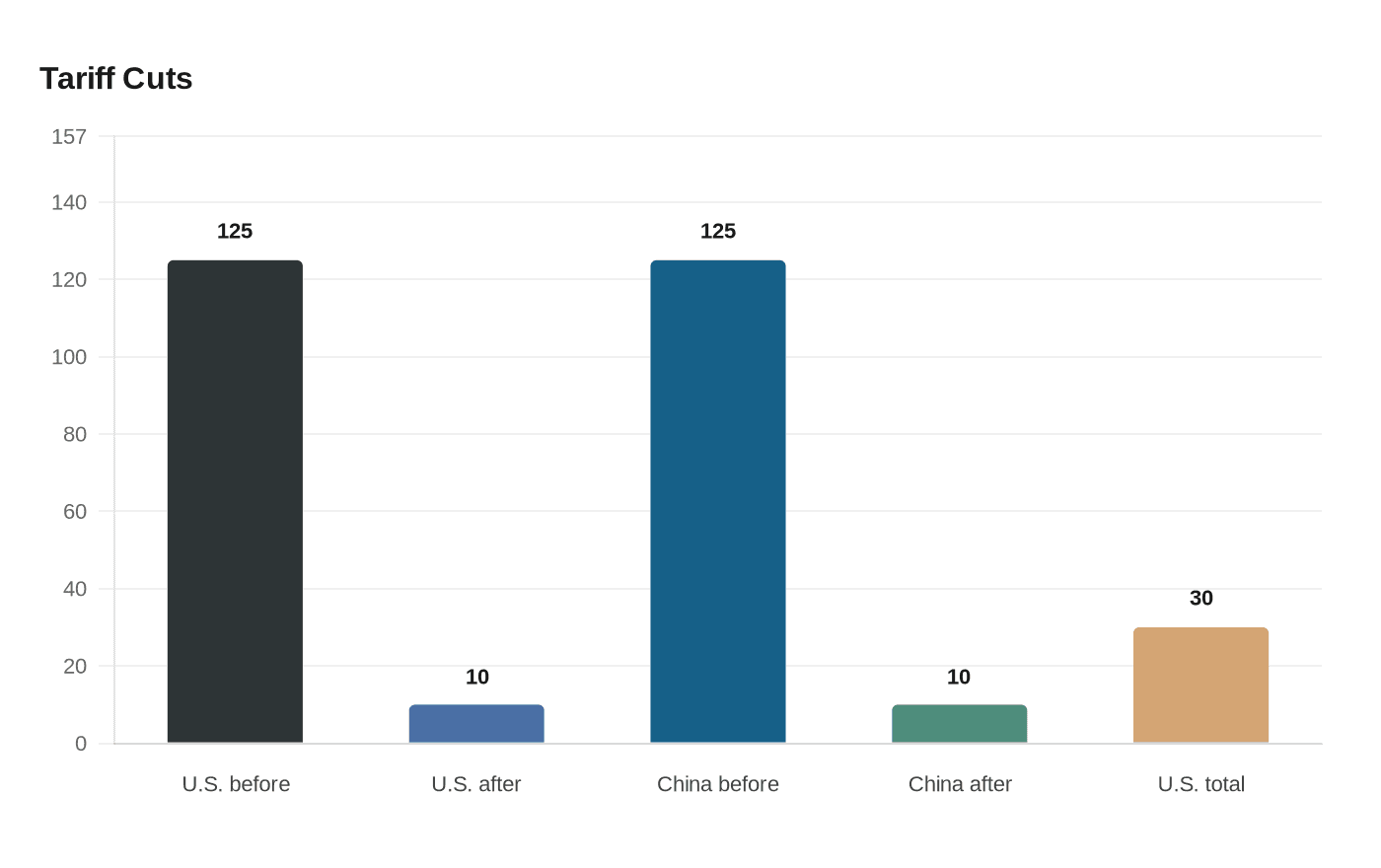
The discord came after a fragile trade truce already in place since May 12, 2025, when the United States and China agreed in Geneva to pause most tariffs for 90 days. Under that arrangement, Washington cut its “reciprocal” tariffs on Chinese goods from 125% to 10% but kept a 20% fentanyl-related duty, leaving total U.S. tariffs on China at 30%. Beijing lowered tariffs on American goods from 125% to 10% and agreed to remove or suspend non-tariff countermeasures imposed since April 2, 2025. The White House said the two countries would create a mechanism for continued trade and economic discussions.
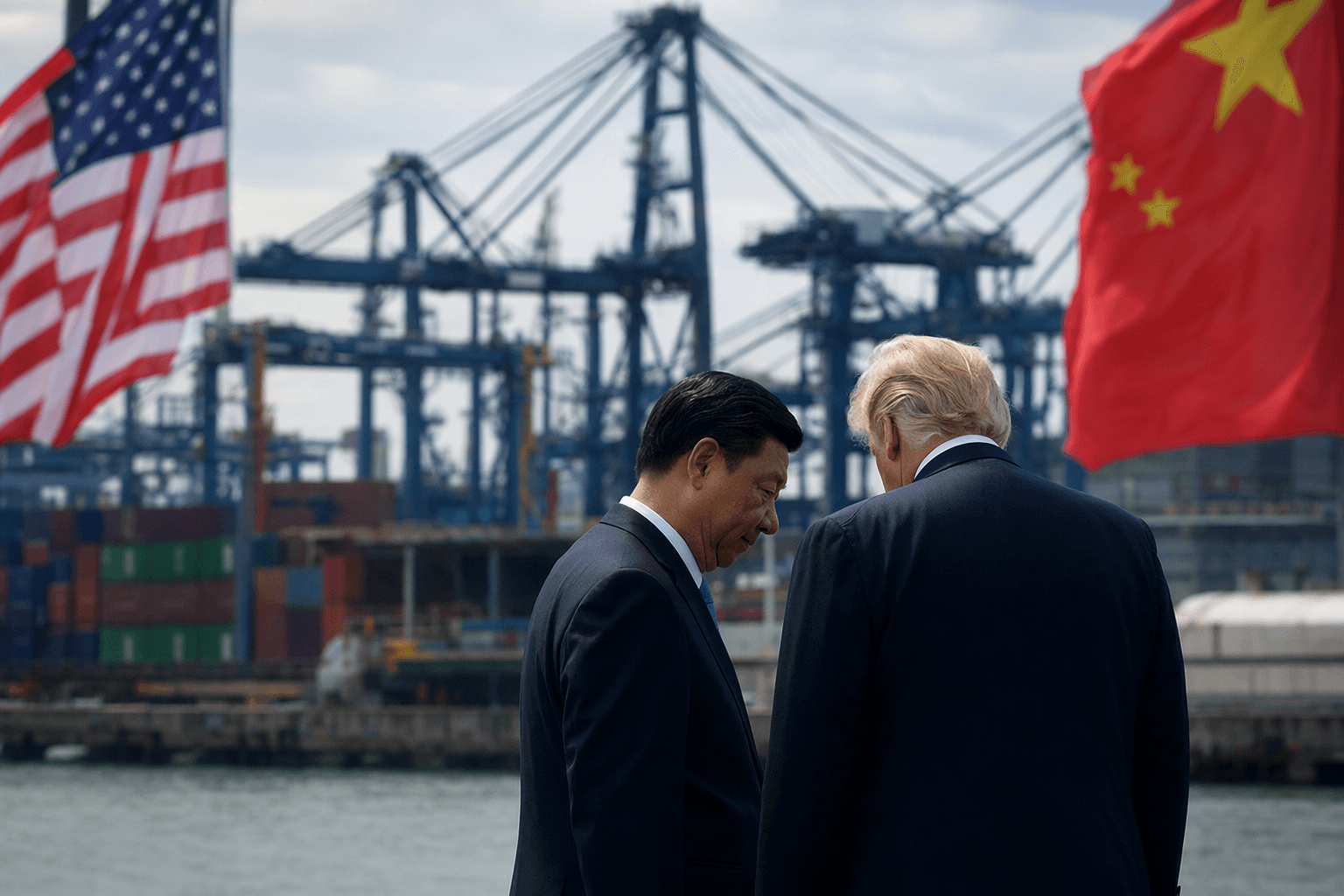
Trump later described the South Korea meeting with Xi as a separate one-year framework that would reduce some tariffs, delay Chinese rare-earth export restrictions and secure Chinese purchases of American soybeans and other farm products. He said the meeting lasted about 1 hour and 45 minutes. But key political flashpoints, including Taiwan and TikTok, were not addressed in the post-meeting readouts, leaving large parts of the bilateral relationship outside the deal Trump described.
That disconnect points to a familiar pattern in U.S.-China trade diplomacy: public optimism can serve as leverage even when negotiators have only sketched the outline of an agreement. China’s emphasis on “preliminary” language signaled that Beijing was not ready to lock in Trump’s version of events, especially if Washington was using the summit to claim momentum without giving up deeper structural concessions. The mention of agricultural access, non-tariff barriers and aircraft deals also suggested the talks were broad, but still far from final.
Analysts said the tariff cuts reflected pressure on both capitals to steady markets without resolving the hardest disputes. Patricia Kim, a Brookings scholar, said “a lot of issues” still had to be worked out. Dan Wang of Eurasia Group said the 90-day tariff cuts showed both sides were under pressure to stabilize markets while avoiding deeper concessions. That is the central tension now: not whether tariffs were discussed, but whether the thaw was substantive or just a temporary calm wrapped in competing narratives.
This article was produced by Prism’s automated news system from verified source data, official records, and press releases, then run through automated quality and moderation checks before publishing. The system is built and supervised by the people who set the standards it runs under. Read our full AI policy.
Did this article answer your question?

