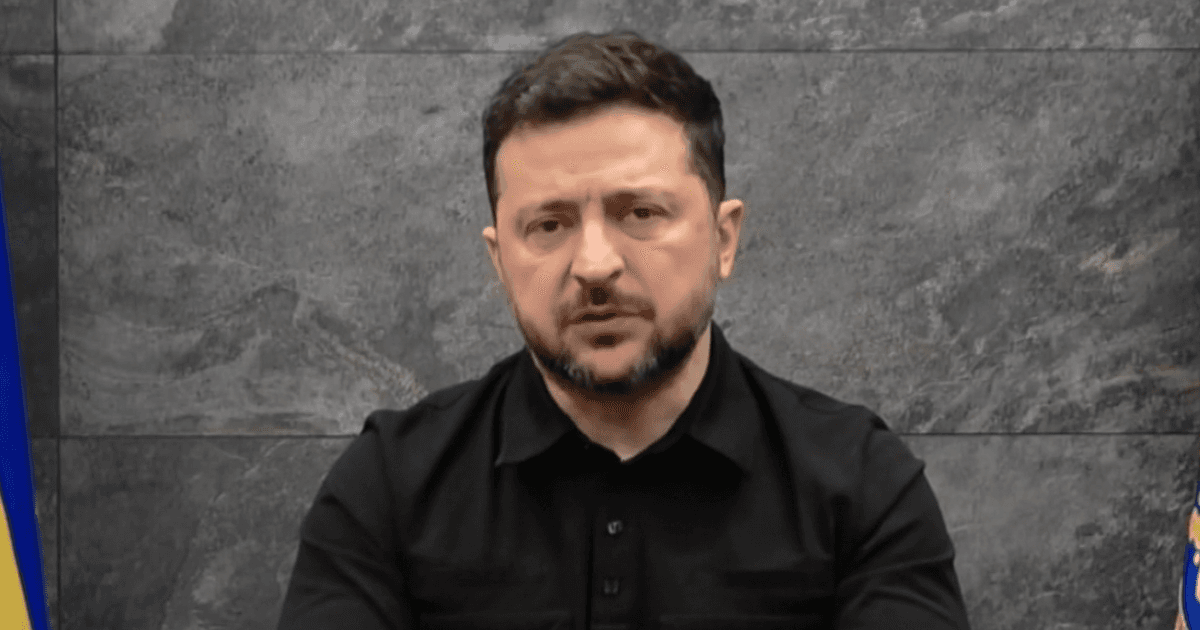
China skips Shangri-La Dialogue again, deepening Asia security unease
China’s empty chair at Shangri-La became the message, not the backdrop, as ministers cast Beijing’s no-show as caution, disengagement and a test of regional resolve.

China’s absence at Asia’s top defense forum stood out as loudly as any keynote. At the 23rd Shangri-La Dialogue in Singapore, Beijing sent a lower-profile delegation instead of Defense Minister Dong Jun for a second straight year, turning an empty chair into the clearest signal in the room about how China is choosing to manage regional military diplomacy.
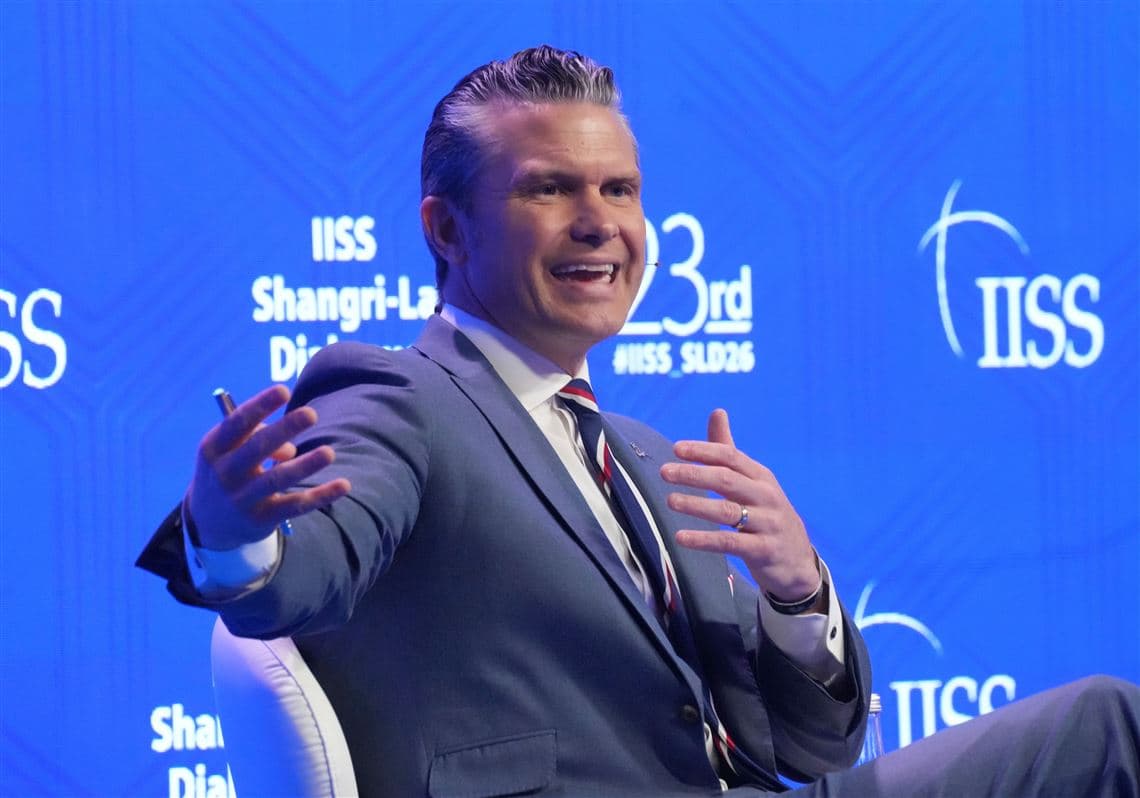
The forum brought together officials from 44 countries, including 54 ministerial-level delegates and more than 42 chief-of-defense-forces-level delegates and senior defense officials, but China’s top defense seat remained vacant. U.S. Defense Secretary Pete Hegseth was there, along with senior defense officials from across Asia and Europe, as the gathering ran from May 29 to May 31 in Singapore. For many delegates, the point was not just who spoke, but who did not. China had no defense minister on the program this year, and the China-led speech slot was dropped, as it had been in 2025.
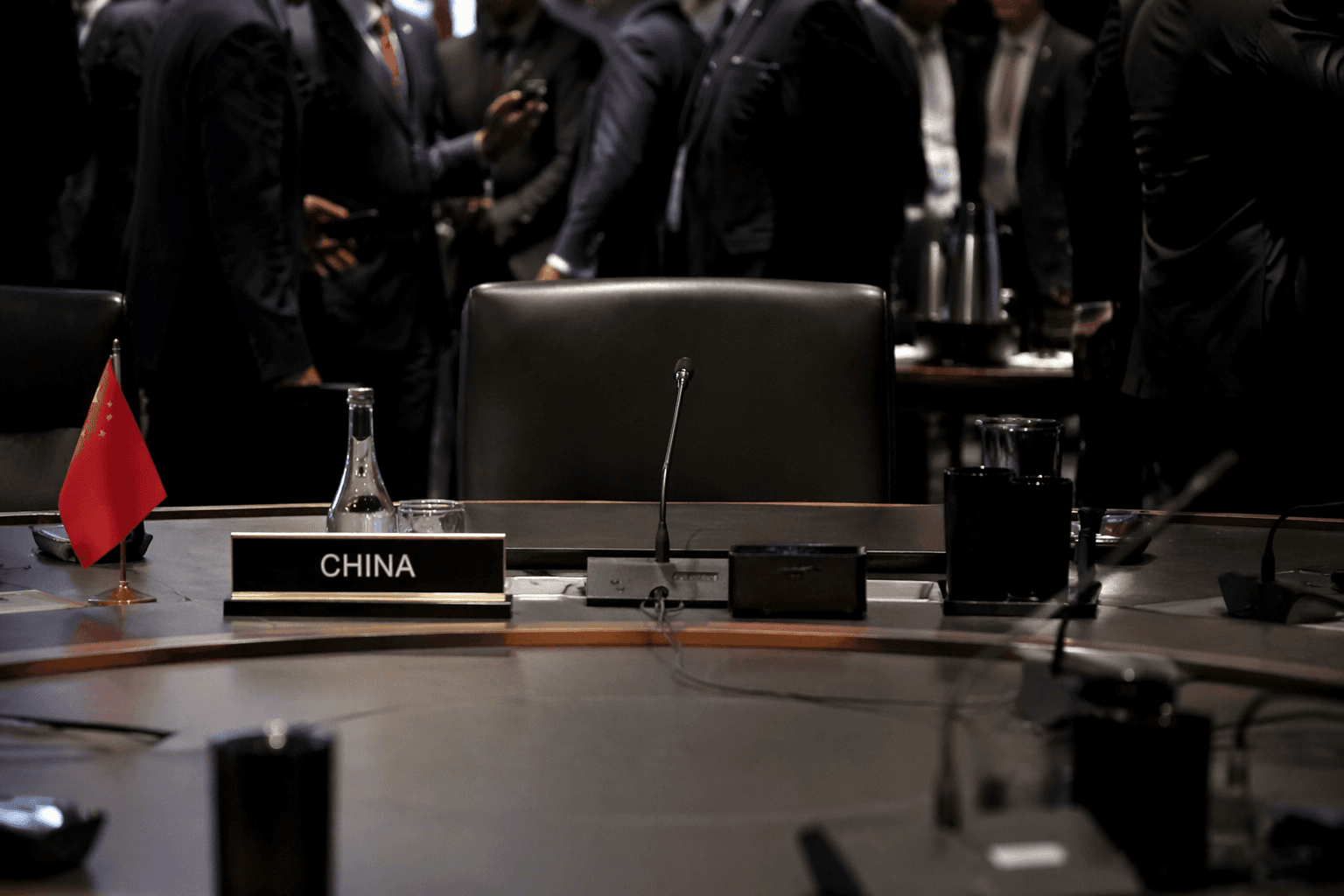
Beijing said its delegation would still join talks, but the team was drawn from PLA-run research institutions, the navy and the People’s Liberation Army National Defence University, a far quieter lineup than the ministerial presence China has used in the past. China began participating in the Shangri-La Dialogue in 2007, sent its defense minister in 2011 and again in 2019, then continued minister-level participation in 2022, 2023 and 2024 before skipping again in 2025 and 2026. The event itself was suspended in 2020 and 2021 because of the COVID-19 pandemic.
The diplomatic cost of the no-show was immediate. Hegseth noted the absence in his keynote and said he wished his Chinese counterpart had been at the conference. Australia’s Richard Marles called it a lost opportunity for frank, face-to-face talks on the region’s flashpoints, while Germany’s chief of defense, Gen. Carsten Breuer, said China was missing a chance at dialogue and warned that such a gap was dangerous in a contested security environment.
The broader unease reflects how strained China-U.S. military ties remain after communication channels were cut off in 2022 following Nancy Pelosi’s visit to Taiwan. Analysts said the lower-level Chinese delegation may also be an effort to avoid sharper questions about Taiwan, military readiness and the effects of anti-corruption purges inside the People’s Liberation Army. In a forum built to test intentions in public, China’s decision to stay away gave every other delegation more room to define the regional conversation on its behalf.
This article was produced by Prism’s automated news system from verified source data, official records, and press releases, then run through automated quality and moderation checks before publishing. The system is built and supervised by the people who set the standards it runs under. Read our full AI policy.
Know something we missed? Have a correction or additional information?
Submit a Tip