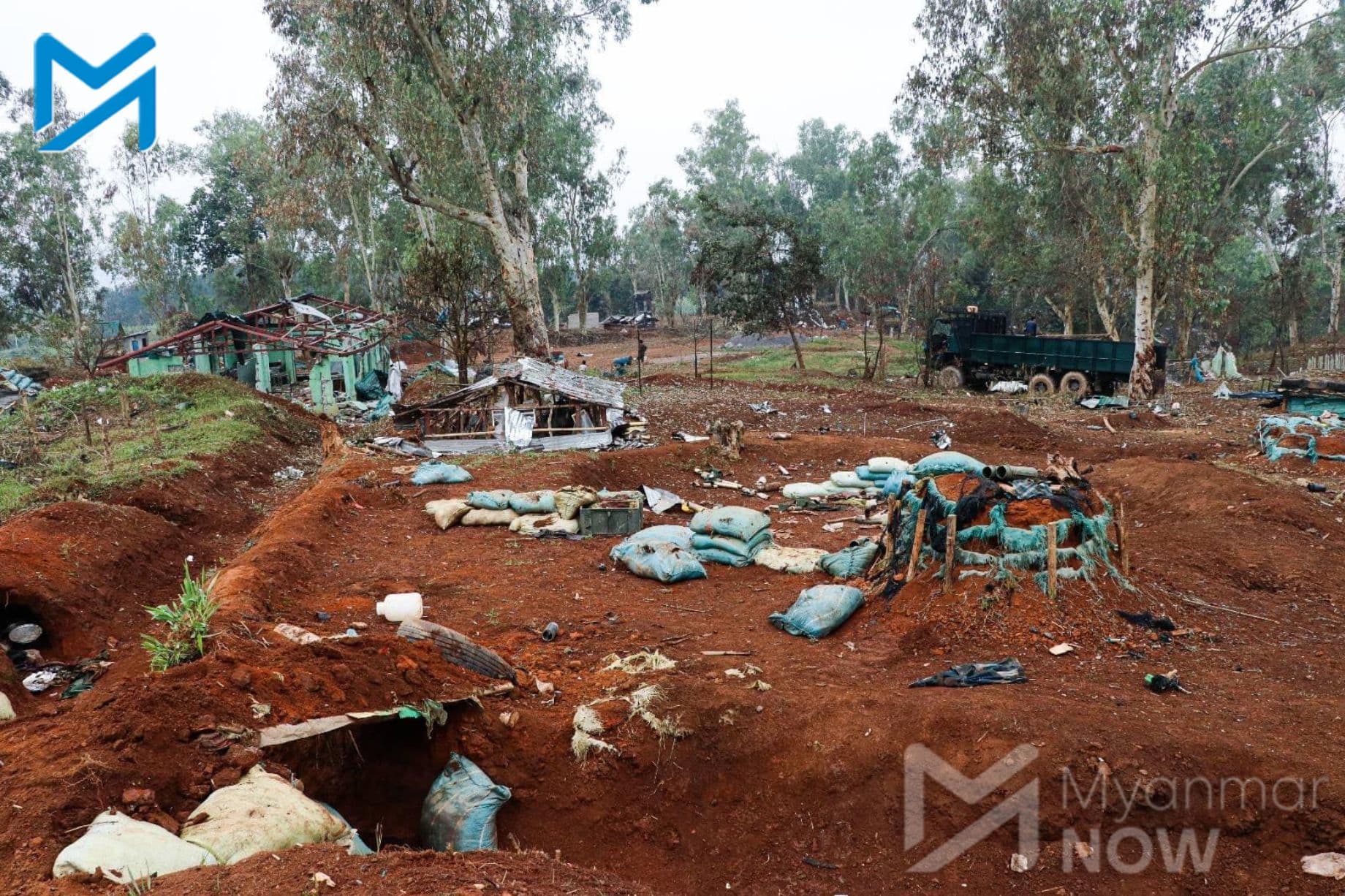
Zelenskyy accuses Russia of abducting Ukrainian children for combat training
Zelenskyy said Ukraine has evidence Russia is training abducted children to fight Ukrainians, escalating an already grave war-crimes case.
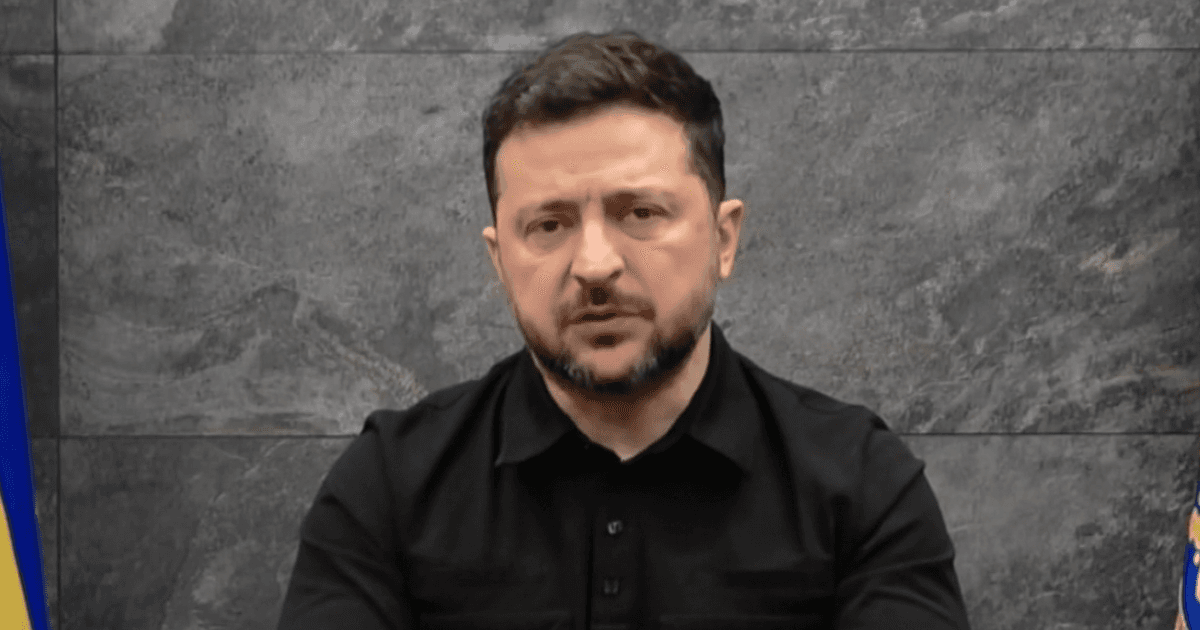
Volodymyr Zelenskyy said Ukraine has evidence that Russia is abducting Ukrainian children and training them to fight against fellow Ukrainians, a claim he made publicly for the first time in an exclusive CBS News interview on May 31, 2026. If substantiated, the allegation would sharpen one of the war’s most serious legal questions: whether the forced transfer of children from occupied Ukrainian territory into Russian custody has moved beyond deportation and reeducation into direct militarization for combat.
The accusation lands on top of a body of international findings that already describe the removal of Ukrainian children as unlawful. On March 17, 2023, the International Criminal Court issued arrest warrants for Vladimir Putin and Maria Lvova-Belova over the alleged unlawful deportation and transfer of Ukrainian children from occupied areas of Ukraine to Russia, saying the conduct could amount to a war crime. A 2023 United Nations Commission of Inquiry documented the transfer of 31 children from Ukraine to Russia in May 2022 and concluded that it was an unlawful deportation.
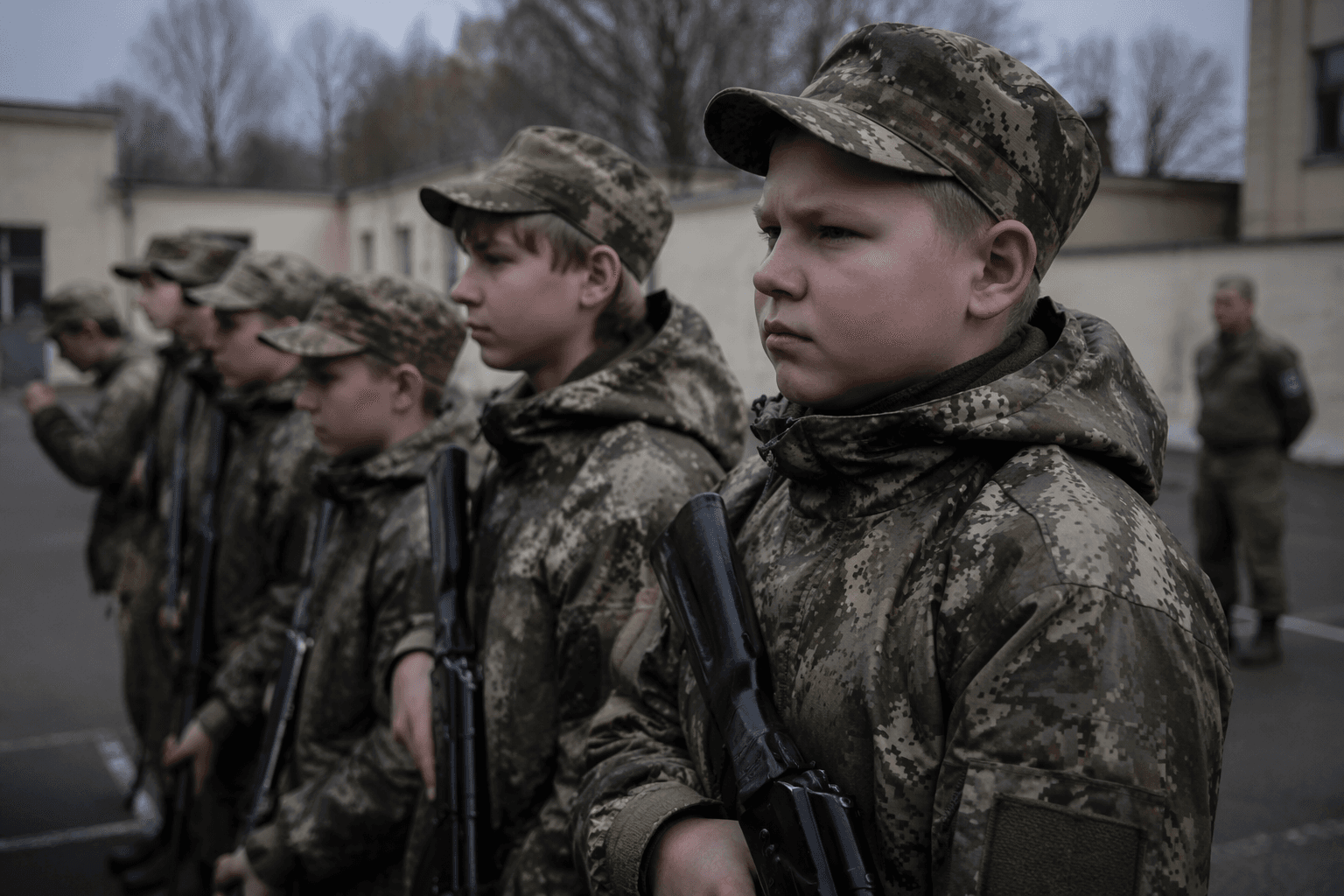
Later research broadened the picture. Findings from the Yale Humanitarian Research Lab published in 2025 said Ukrainian children had been taken to more than 200 facilities across Russia and occupied Ukraine. Subsequent reporting put the number at at least 210 sites linked to reeducation and militarization, including cadet academies and camps where children as young as 8 were allegedly pushed into Russian language instruction, political indoctrination and, in some cases, drills with grenades, drones and firearms.
That is the evidentiary burden now facing investigators. To support a war-crimes case built around combat training, prosecutors would need proof tying specific children to specific transfers, specific facilities and specific orders or policies. They would need to establish that the removals were forced or unlawful, that the children were under Russian control, and that military training was not isolated but part of a wider system. The challenge is greater because many of the claims originate in occupied territory, where access is limited and documentary evidence is hard to obtain.
The scale of the alleged removals has become a central political issue for Kyiv. Ukrainian government-linked figures in later reporting placed the number of children identified as abducted or forcibly transferred at roughly 19,500 to more than 20,570, while officials say only a fraction have been brought back. Russia has denied wrongdoing and has said the children were moved for humanitarian reasons. Zelenskyy’s new accusation raises the stakes further, linking forced transfer not only to displacement, but to the possibility of preparing Ukrainian children to take part in the war itself.
This article was produced by Prism’s automated news system from verified source data, official records, and press releases, then run through automated quality and moderation checks before publishing. The system is built and supervised by the people who set the standards it runs under. Read our full AI policy.
Know something we missed? Have a correction or additional information?
Submit a Tip