China Steps Up Iran Diplomacy, But Avoids Direct Mediation Role
Beijing is pushing ceasefire talks with Tehran, but it still lacks the leverage to force a deal. Its real priority is shielding oil flows and trade.
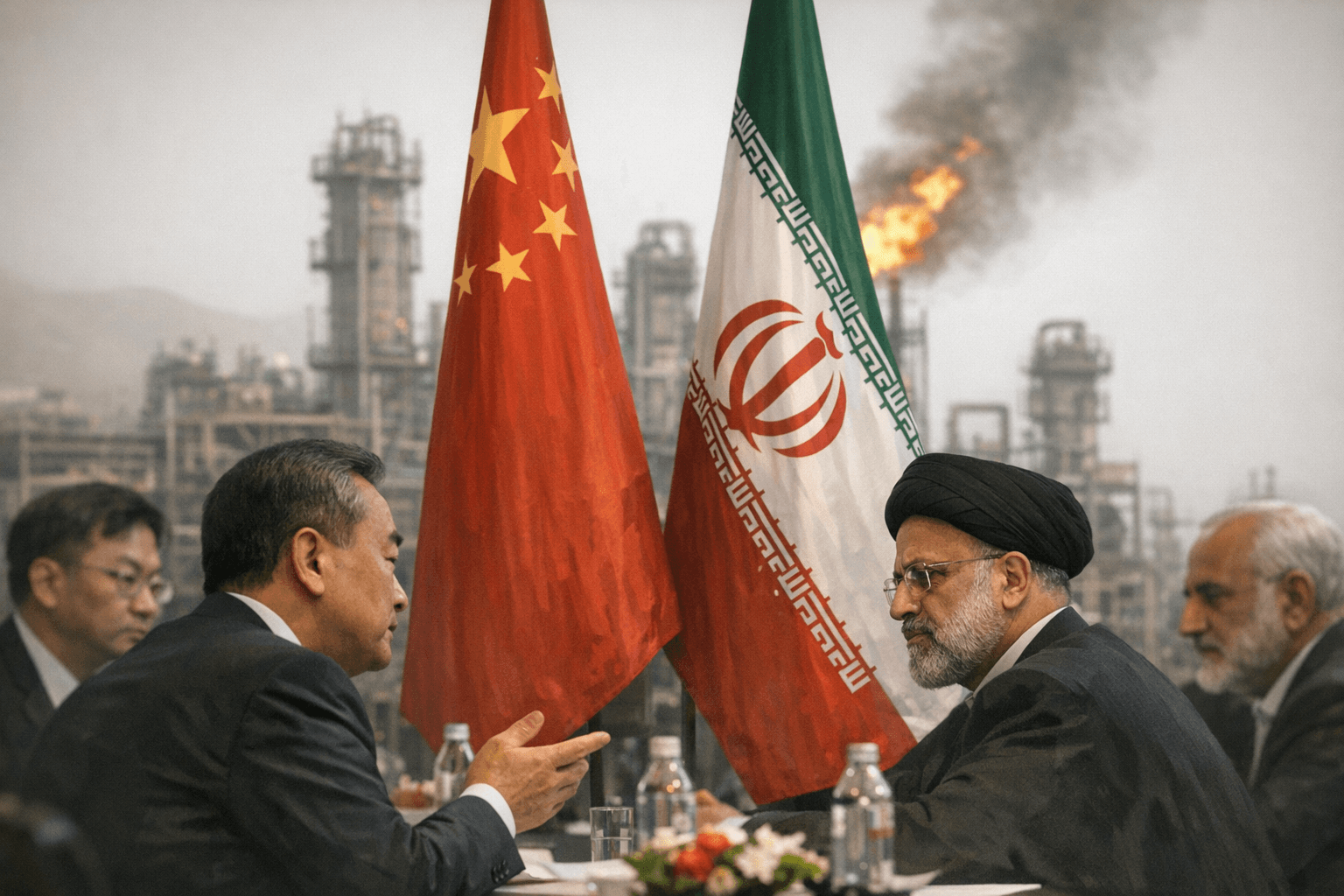
China has stepped up its diplomacy around the Iran war, but the effort still looks more like damage control than true mediation. Foreign Minister Wang Yi told Iranian Foreign Minister Abbas Araghchi on March 8 that China’s position was to bring about a ceasefire and end hostilities, then urged him on March 24 to engage in negotiations with the United States as soon as possible. On April 16, China’s foreign ministry said Wang and Araghchi spoke again, with Beijing backing the momentum for ceasefire and negotiations.
The message from Beijing has been consistent. Chinese officials have repeatedly described their stance as “objective and impartial,” while calling for respect for sovereignty, opposition to the use of force and noninterference in internal affairs. But the language has not translated into meaningful leverage over Tehran. China has close ties to Iran and has condemned the war, yet it does not appear willing or able to pressure Iran into accepting U.S. demands.
That limit matters because China’s own interests are on the line. The Strait of Hormuz handles about one-fifth of global oil supply, and China is the primary buyer of Iranian oil. Any disruption in the Gulf threatens Chinese energy security and export interests, at a moment when Beijing is trying to prevent wider regional escalation from dragging on global growth and pushing up energy costs. CNBC reported that net exports contributed to about one-third of China’s GDP last year, underscoring why Beijing is so focused on keeping trade and shipping lanes stable.
That economic caution explains the shape of China’s response. Analysts cited by U.S. media have described Beijing’s role as facilitation or messaging rather than real mediation, and one former U.S. diplomat called it messaging rather than mediation. The distinction is important: Beijing is signaling that it wants stability and wants to be seen as a responsible power, but it is not putting real pressure on either side to produce a settlement.
Washington has also shown little appetite for giving China a formal role in any deal, further narrowing Beijing’s leverage. For all of Xi Jinping’s efforts to project China as a rising diplomatic power in the Middle East, the Iran crisis shows the limits of that image. Beijing can urge restraint and talk up peace, but when the conflict threatens its interests, it still stops short of direct mediation.
This article was produced by Prism’s automated news system from verified source data, official records, and press releases, then run through automated quality and moderation checks before publishing. The system is built and supervised by the people who set the standards it runs under. Read our full AI policy.
Did this article answer your question?