China to address U.S. rare earth shortages after export controls dispute
U.S. factories, chipmakers and defense suppliers faced a rare-earth squeeze as China signaled relief on shortages tied to aircraft coatings, semiconductors and military hardware.

China’s promise to address rare-earth shortages landed first as a supply-chain question: whether American manufacturers can keep getting the materials that go into aircraft engines, chips, magnets and other high-value components. The White House said China would tackle concerns over shortages of yttrium, scandium, neodymium and indium, along with restrictions on rare-earth production and processing equipment and technologies, after a dispute that has already strained U.S. industry.
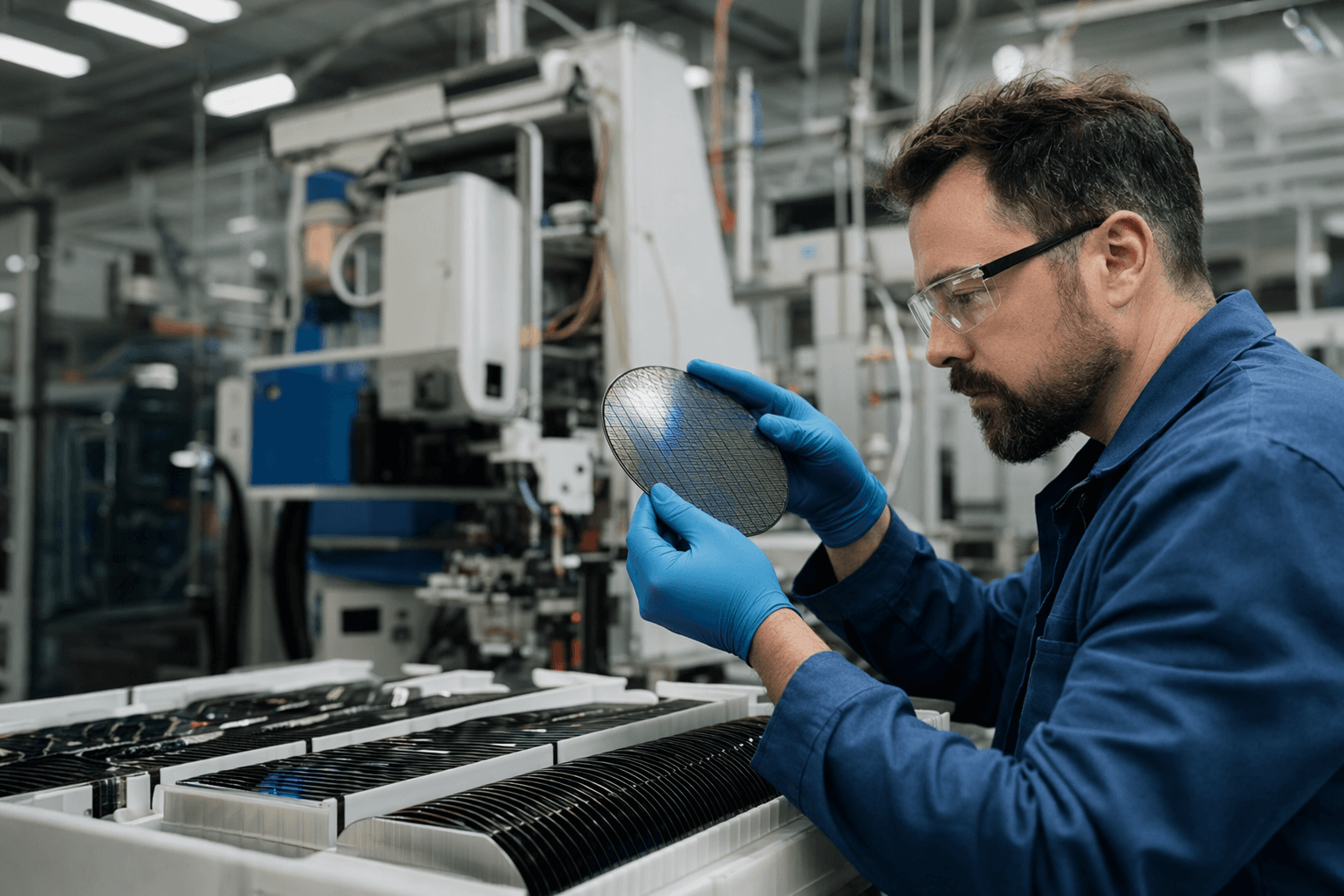
The stakes are especially high because those minerals sit deep inside defense, aerospace and electronics manufacturing. Reuters reported that yttrium shortages have hurt heat-protective coatings used in aircraft engines, while scandium shortages have disrupted chip manufacturing. Indium, which the White House named for the first time, has been on a Chinese export-control list since February 2025 and is important in semiconductors, including indium phosphide for photonic chips and high-speed optical lasers, as well as indium tin oxide used in LED screens. Export licenses have begun flowing to autos and consumer electronics, but companies in sensitive sectors with military applications still faced delays.
The White House factsheet, dated May 17, 2026, said this was the first visit by a U.S. president to China since 2017 and said Donald Trump and Xi Jinping agreed to create two new institutions, the U.S.-China Board of Trade and the U.S.-China Board of Investment. It also said China approved an initial purchase of 200 American-made Boeing aircraft and committed to buy at least $17 billion a year of U.S. agricultural products in 2026, 2027 and 2028, prorated for this year.
But the rare-earth issue still looked like a test of leverage, not a settled truce. Reuters reported that China’s export controls were introduced in April 2025 in retaliation for Trump’s Liberation Day tariffs, and the European Parliament’s research note said China imposed two waves of export controls in April and October 2025, with the second wave suspended until November 2026. China’s Ministry of Commerce summary released on Saturday did not mention rare earths, a gap Cory Combs, associate director at Trivium China, called “not ideal, but fine.”
China’s grip on the market explains why the dispute carries so much weight. The European Parliament note said China controlled 60% of global rare-earth production and 90% of refining, giving Beijing unusual power over everything from factory output to military procurement. The unanswered question is whether the latest commitment marks a real easing of export pressure, or another round of controlled relief that keeps critical minerals in play as bargaining chips in trade talks.
This article was produced by Prism’s automated news system from verified source data, official records, and press releases, then run through automated quality and moderation checks before publishing. The system is built and supervised by the people who set the standards it runs under. Read our full AI policy.
Did this article answer your question?
%3Amax_bytes(150000)%3Astrip_icc()%2FCertificate-of-deposit-2301f2164ceb4e91b100cb92aa6f868a.jpg&w=1920&q=75)