Samsung union extends talks to avert largest-ever strike
Samsung and its union extended talks as more than 45,000 workers threatened to strike, raising fears of fresh pressure on global memory-chip supply.

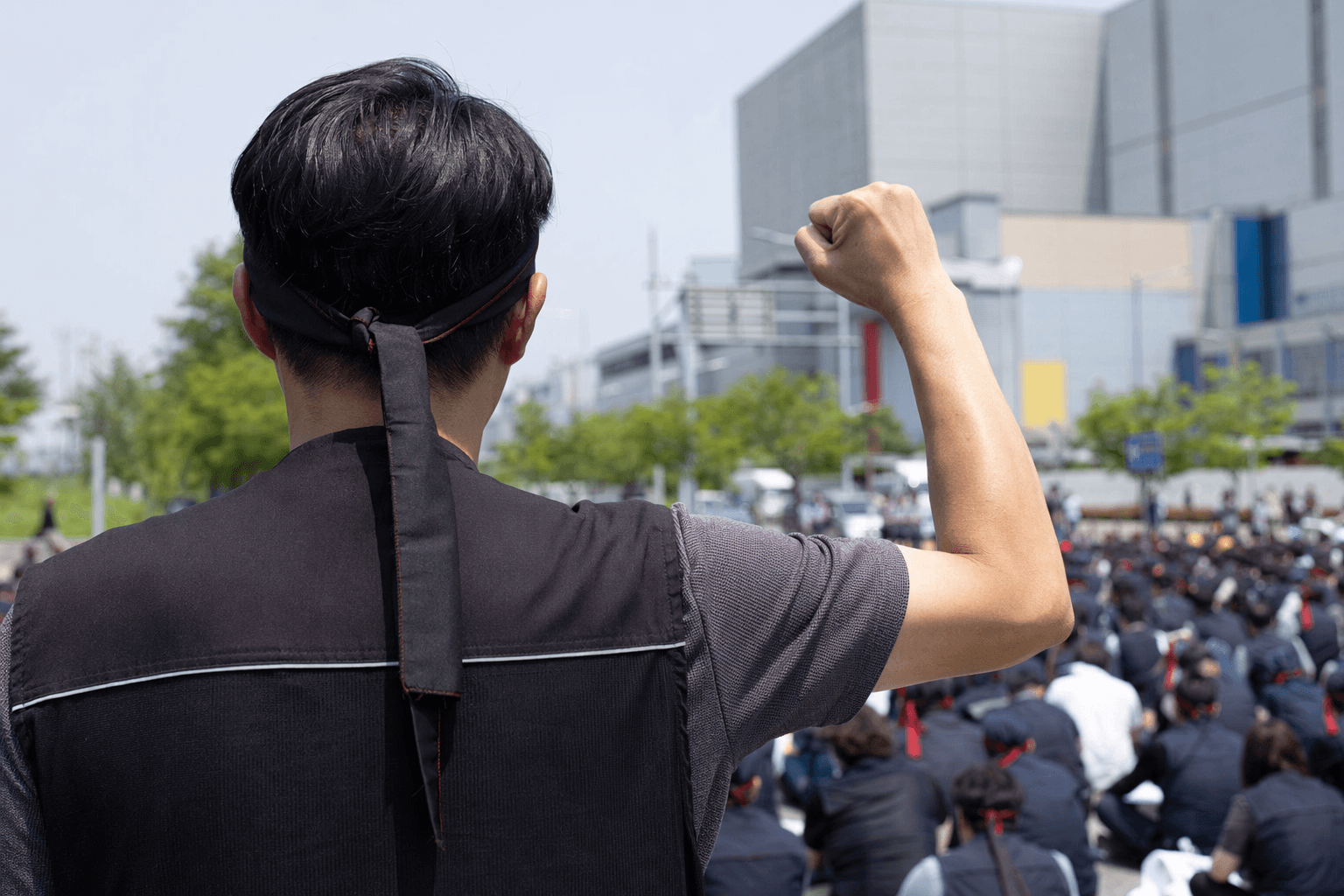
Samsung Electronics and its labor union extended talks in a bid to avert what could have become the biggest strike in the company’s history, a standoff that threatened to spread pressure through the global electronics supply chain.
The company and union held another round of mediation in Sejong, South Korea, and planned further talks on Tuesday as they tried to keep more than 45,000 workers on the job. The dispute centered on pay and bonuses, but the stakes reached far beyond factory gates because Samsung is the world’s largest memory-chip maker and a cornerstone of South Korea’s export economy.
The timing made the confrontation especially sensitive. Global demand for chips used in artificial intelligence data centers, smartphones and laptops has kept the memory market tight, lifting profits across the semiconductor sector. A strike at Samsung could have tightened an already constrained supply chain for manufacturers that rely on the company for critical components, from servers to consumer devices.
The labor fight also exposed a widening internal split inside Samsung. Workers in the memory-chip business, where profits have surged with the AI boom, believe they should share more directly in those gains. Employees in the foundry and system-LSI divisions, meanwhile, have worried they are being left behind. That divide has become a symbol of how unevenly the AI chip rally has spread benefits across one of Asia’s most important industrial groups.
Government-mediated negotiations had collapsed last week, leaving the company and union to continue talks under growing pressure. The threat of a large-scale work stoppage carried immediate economic implications for South Korea, where Samsung accounts for nearly a quarter of exports. Any prolonged disruption would not only test production at the country’s flagship technology company, but also weigh on investor sentiment and industrial peace in Seoul.
For global buyers, the dispute underscored a basic vulnerability in the electronics market: a labor standoff in South Korea can affect memory availability worldwide. If the talks failed, the strike would have become a direct test of Samsung’s ability to keep production stable while managing the demands of workers who say the profits from the AI era should not flow only to the top of the chip chain.
Know something we missed? Have a correction or additional information?
Submit a Tip