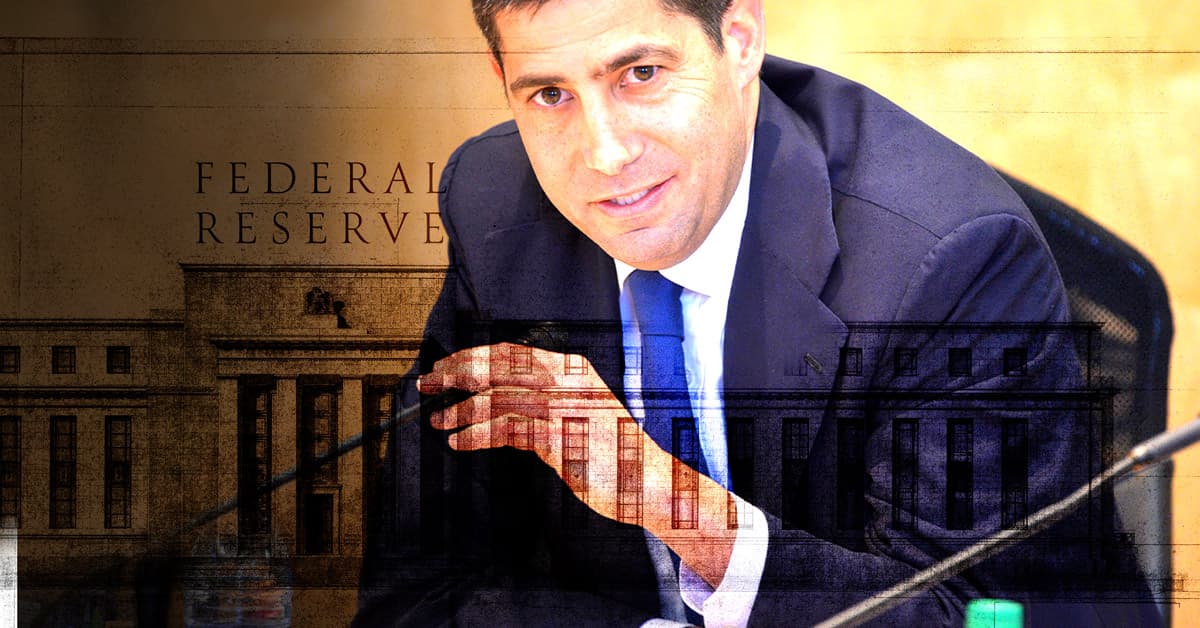
Commerzbank rejects UniCredit takeover offer, escalating banking battle
Commerzbank’s rejection turned UniCredit’s €39 billion bid into a fight over national control, jobs and whether Europe can build cross-border banks.

Commerzbank formally rejected UniCredit’s takeover offer on May 18, sharpening one of Europe’s most closely watched banking battles and putting a nearly €39 billion bid on a collision course with German resistance. The lender’s supervisory and management boards told shareholders not to accept the exchange offer, saying it did not reflect Commerzbank’s fundamental value, lacked an adequate premium and carried significant risks.
The bank said it had reviewed UniCredit’s offer document dated May 5, 2026 and issued its reasoned statement under Section 27 of Germany’s Securities Acquisition and Takeover Act after publishing a 137-page analysis of the deal. Commerzbank said UniCredit had not presented a coherent and credible strategic plan for a combination, and chief executive Bettina Orlopp argued that the proposal did not offer shareholders enough to justify surrendering control of a business that has been improving on its own.
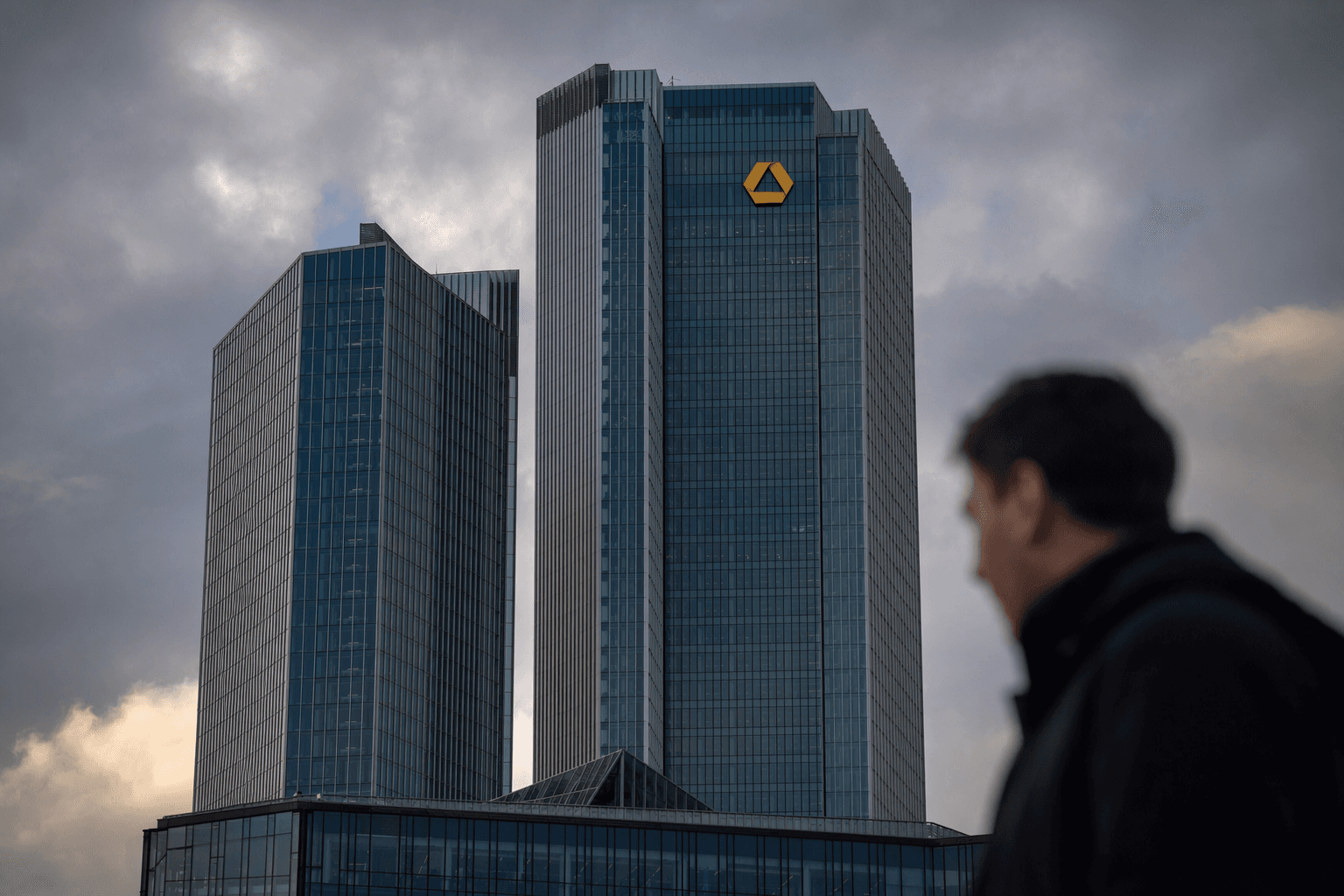
The rejection lands at a sensitive moment because UniCredit has spent 2024 and 2025 building its position in Commerzbank to close to 30%, making the Italian lender the German bank’s largest shareholder. UniCredit has said its move was designed to push past the 30% threshold under German takeover law, a level that would normally trigger a mandatory offer and give the Milan-based lender much greater leverage. That shareholding structure means the fight is no longer only about price; it is about who gets to shape Commerzbank’s future.
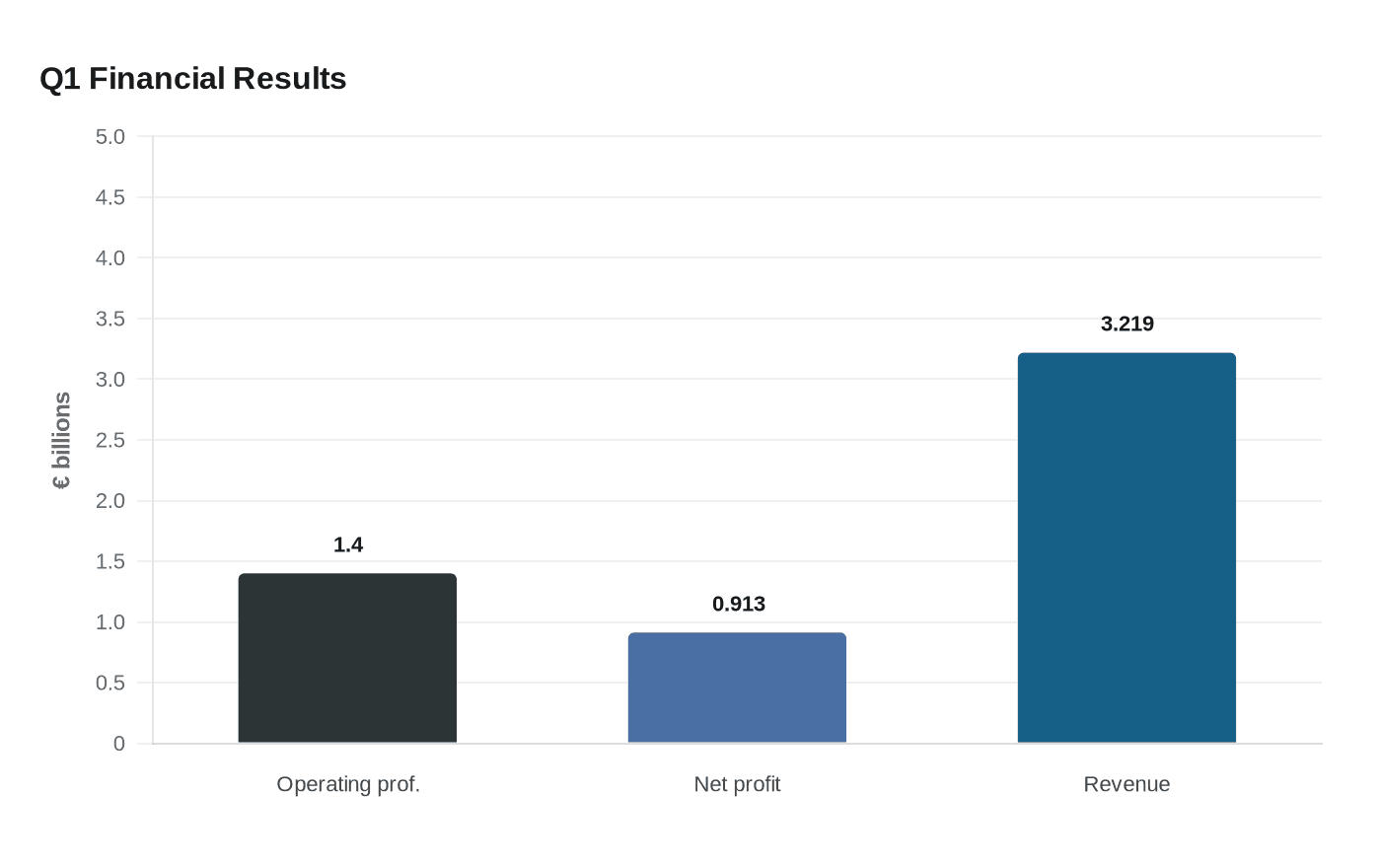
Commerzbank has been arguing that it can create value independently, and recent results strengthened that case. On May 8, it reported first-quarter operating profit of €1.4 billion, up 11% and a record for the period, while net profit rose 9% to €913 million and revenues climbed 5% to €3.219 billion. The bank also lifted its long-term ambition to a net return on tangible equity of 21% by 2030, signaling that management sees more room to grow without a takeover.
The political stakes are just as high. German executives, employees and policymakers have long been wary of foreign control over a bank that was rescued during the 2008-2009 financial crisis, and the German federal government began reducing its stake only in September 2024. Commerzbank’s annual general meeting is set for May 20 in Wiesbaden, where the dispute is likely to become a flashpoint for investor pressure and national anxiety alike. UniCredit chief Andrea Orcel has argued that larger banks would help Europe compete in a world of chaotic geopolitics, but Commerzbank’s refusal shows how hard it remains to turn that logic into a cross-border deal.
Know something we missed? Have a correction or additional information?
Submit a Tip