Warsh set to lead Fed as inflation keeps rate outlook unclear
Warsh was set to inherit a Fed still holding rates at 3.5% to 3.75% while inflation stayed at 3.8%, leaving markets to price a tougher path.
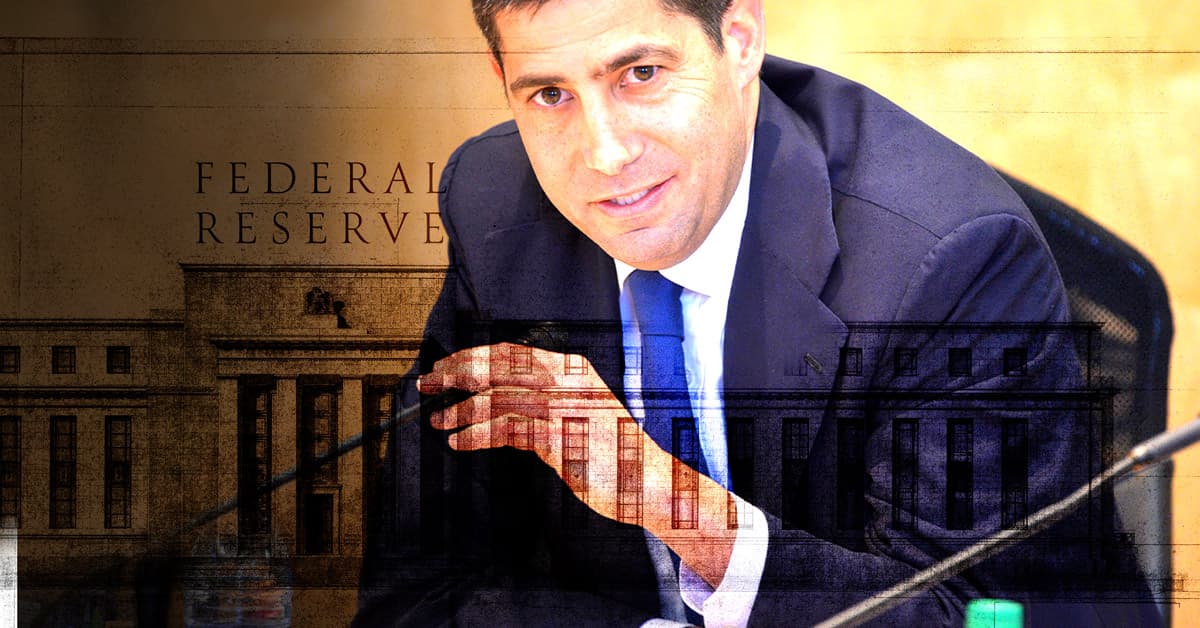
Kevin Warsh was set to inherit a Federal Reserve still fighting inflation, still holding rates steady, and still trying to preserve its distance from the White House. For markets, borrowers and Donald Trump’s team, the real question was not whether the leadership changed, but how much the institution’s tone, tools and tolerance for inflation could shift under a new chair.
The Federal Reserve Board named Jerome Powell chair pro tempore on May 15 until Kevin Warsh is sworn in, a temporary handoff the board said was consistent with past practice during similar transitions. Powell will remain a governor in the meantime, but the change still marks the opening of a new phase after years of strain between the Fed and the president.
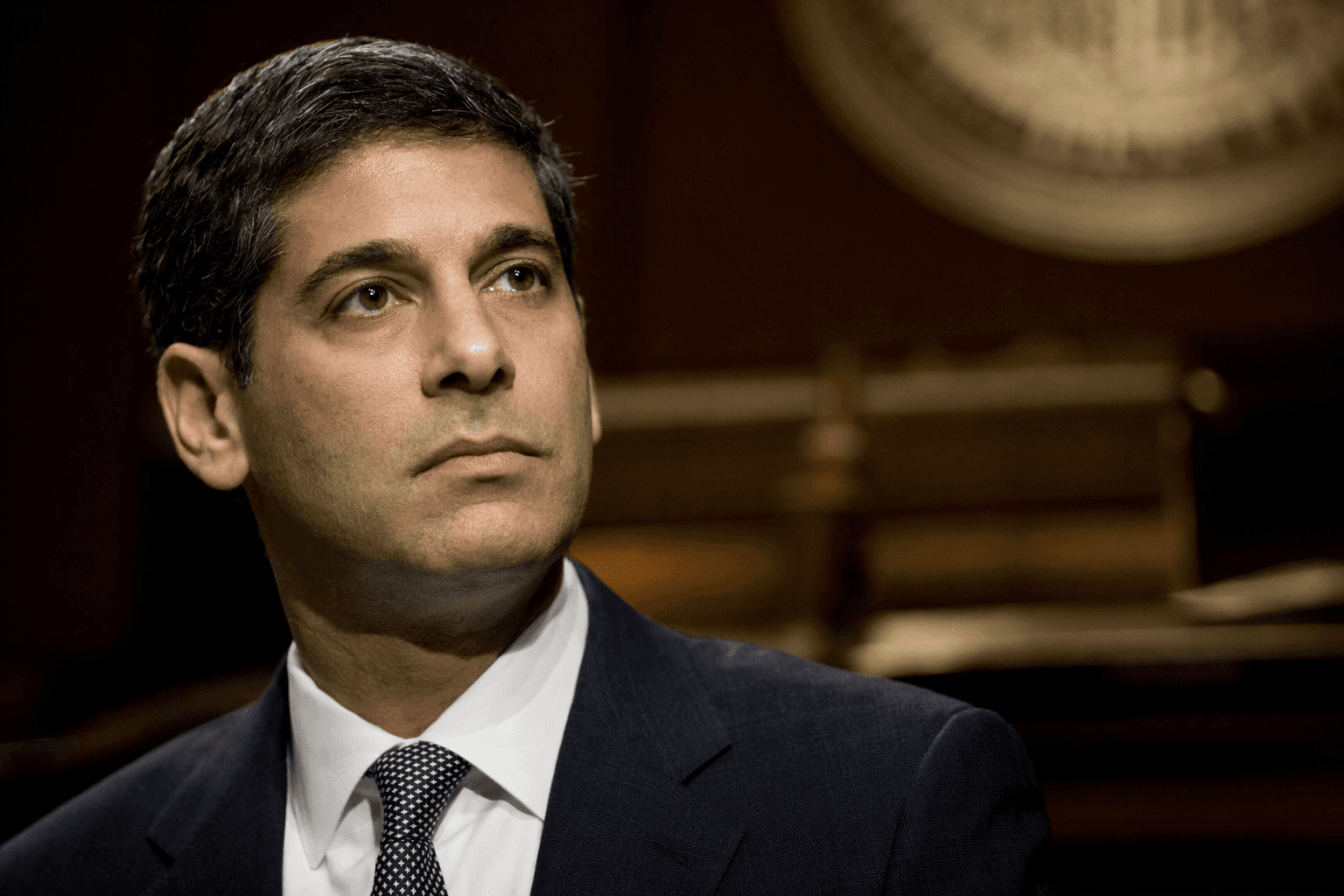
Warsh’s confirmation by the Senate on May 13, by a 54-45 vote, underscored how politically charged the transition had become. Bloomberg said the margin was the narrowest ever for a Federal Reserve chair nominee, a sign that Wall Street and Capitol Hill are treating Warsh not just as a personnel change but as a possible reset in central bank posture.
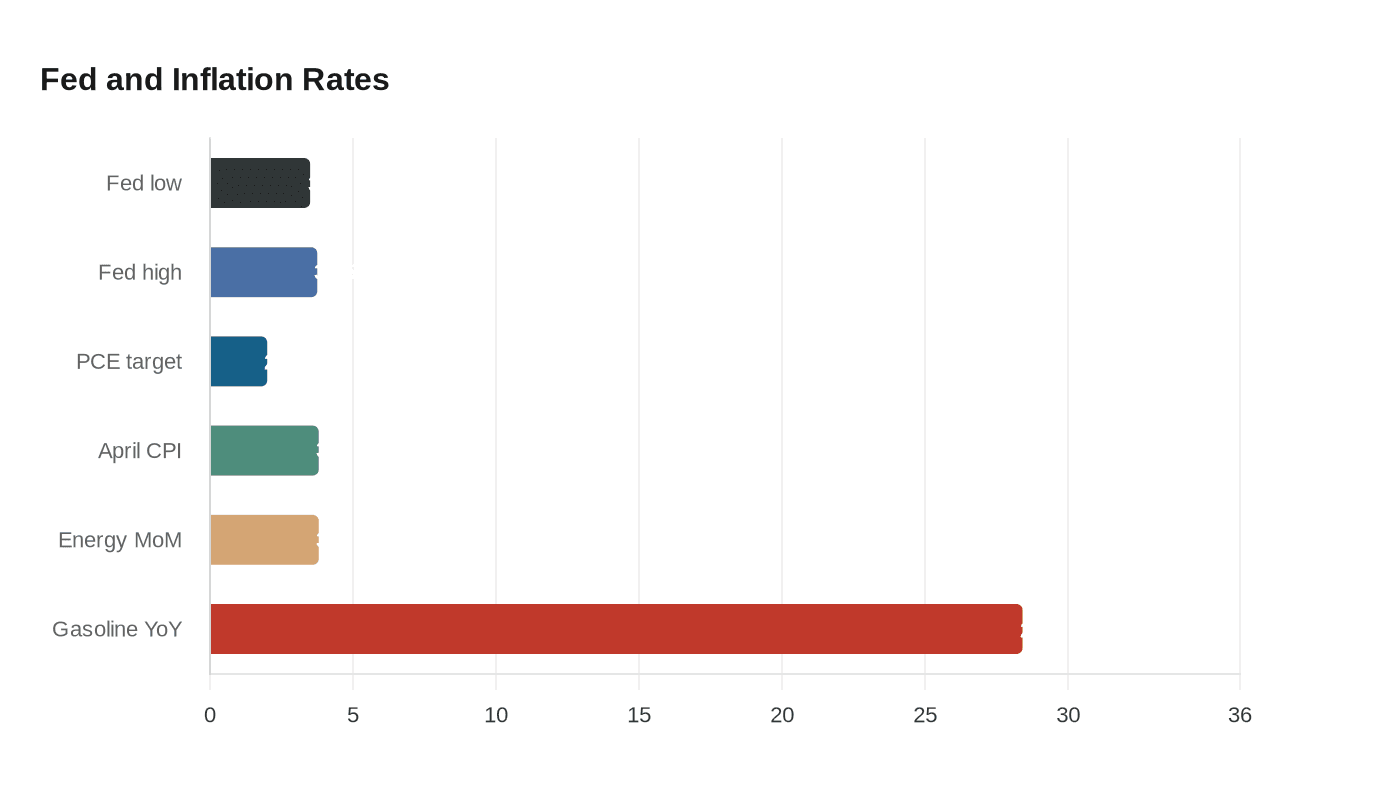
That reset could matter well beyond the next meeting on rates. The Federal Open Market Committee left the federal funds target range unchanged at 3-1/2 to 3-3/4 percent in its April 29 statement, saying economic activity had been expanding at a solid pace while inflation remained elevated, in part because of higher global energy prices. The Federal Reserve still aims for 2 percent inflation over the longer run, measured by the personal consumption expenditures price index.
The latest inflation data offered little room for quick relief. The Bureau of Labor Statistics said consumer prices rose 3.8 percent from a year earlier in April, while energy prices jumped 3.8 percent in the month and gasoline prices were up 28.4 percent from a year earlier. Tariffs, strong consumer demand and investment spending have also kept price pressures alive, making it harder for Warsh to deliver the lower-rate outcome Trump wants.
Warsh’s Senate hearing on April 21 did not settle the issue. He did not directly answer whether he agreed with Trump that rates were too high, and he has also been associated with calls for a smaller Fed balance sheet and less reliance on forward guidance to steer markets. That leaves investors watching for a possible shift not only in policy decisions, but in how the Fed communicates its intentions.
The result is an unusually uncertain handoff. If inflation stays sticky and other Fed officials remain hawkish, Warsh may find that he can change the Fed’s institutional style faster than he can change the path of interest rates.
Know something we missed? Have a correction or additional information?
Submit a Tip