China warns Nexperia dispute could spark global chip shortages
China's commerce ministry says Dutch actions against Nexperia risk a fresh semiconductor crisis, threatening auto production and weeks-long component shortages.
China’s Ministry of Commerce warned that a renewed governance dispute over chipmaker Nexperia could "spark a fresh global semiconductor supply-chain crisis," placing blunt responsibility on the Netherlands if exports and production falter. The ministry said, "Nexperia Netherlands has seriously disrupted the company's normal production and operation, and if this triggers a global semiconductor production and supply chain crisis again, the Netherlands must bear full responsibility for this."
The statement, issued March 7, 2026, escalates a conflict that began after Chinese firm Wingtech Technology bought Netherlands-based Nexperia in 2019 and intensified when Dutch authorities invoked emergency powers in October, seizing control of the company and citing "grave governance deficiencies" and risks to European economic security. A Dutch court subsequently suspended Nexperia founder Zhang Xuezheng as CEO and placed Wingtech's shareholder rights under court-appointed trustees, effectively splitting the company into parallel operations in the Netherlands and China.
Nexperia's China unit has accused the Dutch headquarters of disabling China staff office accounts, a move the Dutch entity "did not deny," while disputing the Chinese subsidiary's claim that the action affected production at the company's assembly and testing facility in Guangdong province. Beijing answered the Dutch intervention with export curbs on Chinese-made Nexperia chips and tightened controls on materials such as rare earths and magnets, prompting urgent industry warnings.
Automakers and suppliers say the disruption is already choking component flows. Honda warned it may halt production at plants in Japan and China, and trade groups and manufacturers including Volvo Cars, Jaguar Land Rover and Volkswagen have issued alerts about potential stoppages. John Bozzella, chief executive of the Alliance for Automotive Innovation, said, "If the shipment of automotive chips doesn't resume quickly, it's going to disrupt auto production in the US and many other countries and have a spillover effect in other industries. It's that significant." The European Automobile Manufacturers' Association has warned chip inventories would last only a few weeks without renewed exports.
Estimates of how much of Nexperia's output is China-based vary, leaving uncertainty about the scale of disruption. One estimate put Chinese operations at about half of the company's pre-crisis production volume, another said around 70 percent of manufacturing takes place in China before global export, and a third described export curbs as affecting close to three-quarters of Nexperia's global output. Industry analysts caution the figures differ and require company filings for verification.
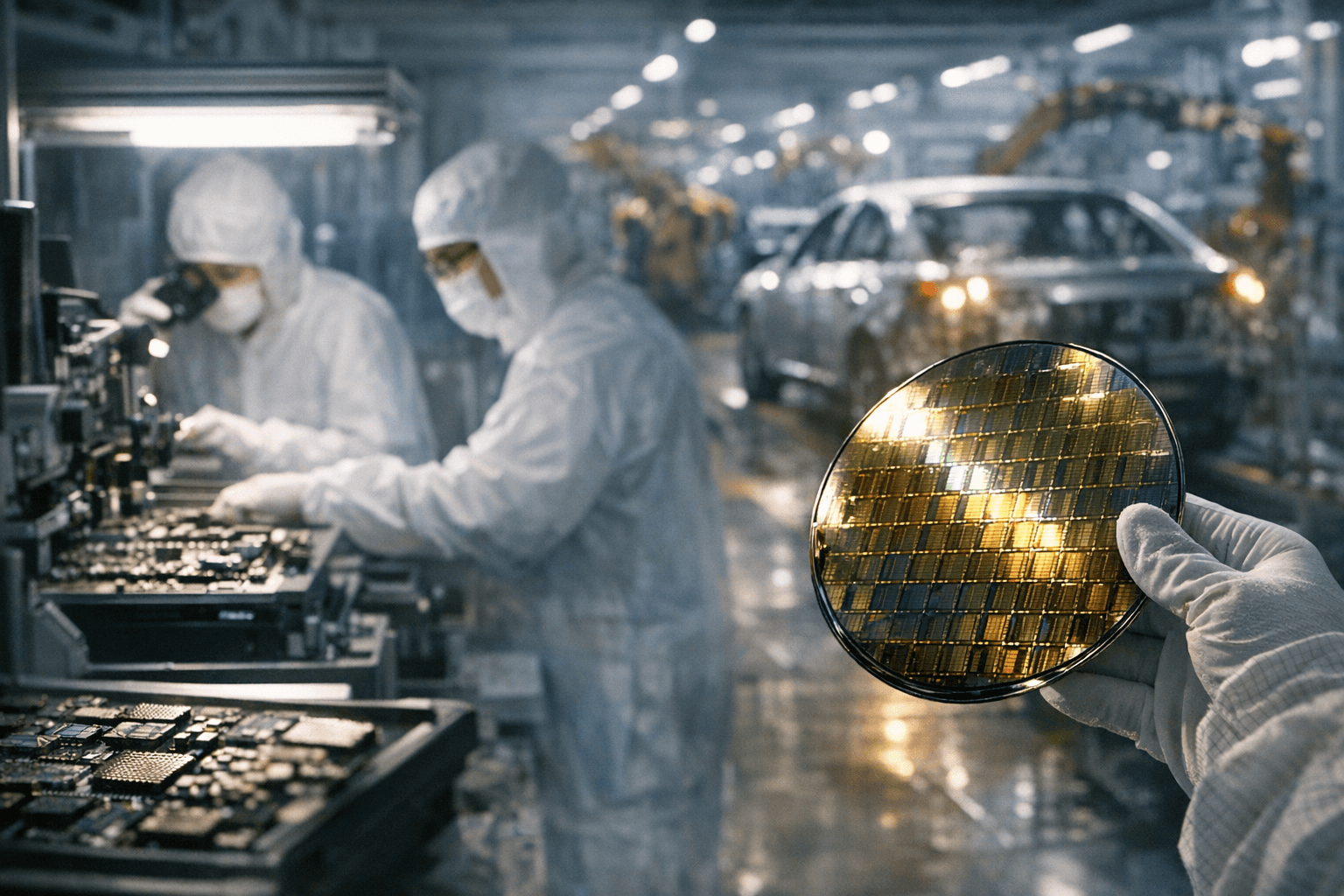
Operationally, the problem is specific and hard to fix quickly: wafer shipments between Europe and Asia, which feed final assembly in China, have been disrupted, and supply-chain analysis estimates it could take six months to find and qualify an alternative wafer supplier. Legal experts warn the dispute may become a prolonged litigation with appeals that could stretch for years, prolonging the production uncertainty.
Credit and risk analysts urged wider contingency planning. Sapna Amlani, supply chain director at Moody's, said, "The Nexperia case isn’t just a governance dispute – it’s a warning shot for global supply chains... When they stop flowing, industries stall." For manufacturers that rely on basic, low-cost chips embedded across vehicle electronics and consumer devices, weeks of constrained inventories could translate into plant downtime and delayed deliveries.
The confrontation has moved from courtroom governance to broader economic exposure, underscoring how cross-border corporate control battles can ripple through factories, logistics networks and national trade policies. Unless trustees, courts and governments find a swift, enforceable settlement or Beijing lifts export restrictions, supply gaps could widen in the coming weeks and months, forcing automakers and electronics firms into painful rationing and costly redesigns.
This article was produced by Prism’s automated news system from verified source data, official records, and press releases, then run through automated quality and moderation checks before publishing. The system is built and supervised by the people who set the standards it runs under. Read our full AI policy.
Did this article answer your question?