China’s automakers unveil AI, fast-charging tech at Beijing Auto Show
China's automakers turned Beijing into a tech race, showing EVs that charge in minutes and cabins built around AI. The message to U.S. and European rivals was blunt: catch up or fall behind.
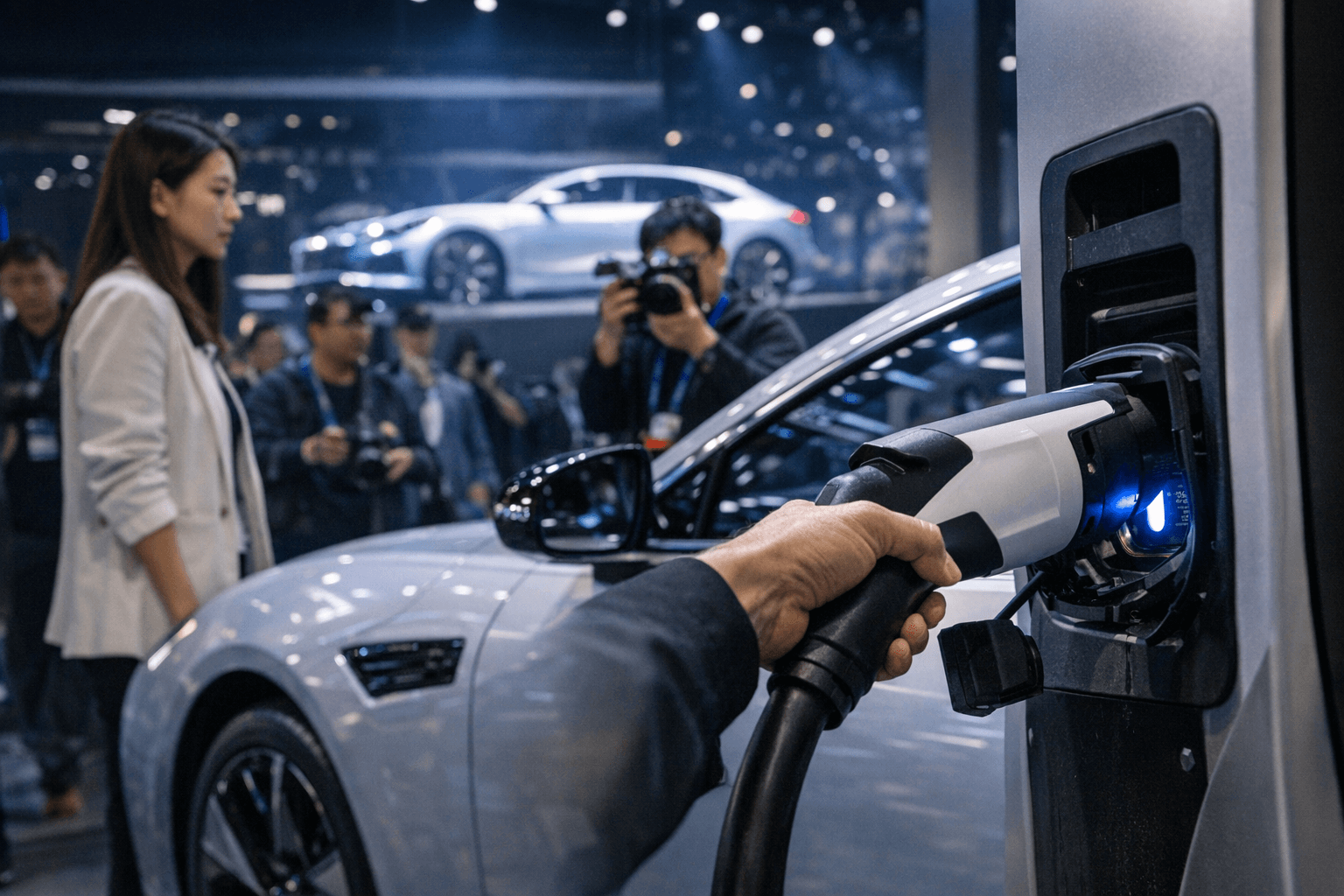
Beijing’s auto show became a showroom for more than cars. China’s top automakers used the opening of the event to signal that the country’s vehicle industry is now competing on software, battery chemistry, intelligent driving and connected services as much as on metal and horsepower.
More than 1,450 vehicles went on display, including 181 global debuts, across about 380,000 square meters of exhibition space. The scale, organizers said, has made the biennial event the largest auto show in the world by floor area, and this year’s lineup suggested why. The show ran through May 3 and put Chinese brands in front of a domestic audience and overseas rivals at the same time.
XPeng drew attention with its GX, a six-seat flagship SUV positioned as part of its broader push into “physical AI.” The vehicle’s systems can detect if a driver falls asleep or becomes unwell, then pull over automatically and contact emergency services. The GX starts at 399,800 yuan and, in its pure-electric all-wheel-drive version, offers up to 750 kilometers of range.
BYD used the show to emphasize battery leadership, demonstrating a new generation of its blade battery and charging it in minus 30 degrees Celsius. The company said the system can reach a near full charge in about nine minutes. CATL moved the race further, unveiling a version of its Shenxing battery that it said can charge from 10 percent to 98 percent in about six and a half minutes.
The technology push extended beyond batteries. A joint venture between Dongfeng Motor and Huawei showed a new SUV with a next-generation intelligent driving system and a HarmonyOS cockpit, underscoring how Chinese automakers are increasingly pairing vehicles with operating systems, digital interfaces and cloud-linked features. That combination is changing the terms of competition for global manufacturers that once held a clear advantage in premium engineering and software integration.
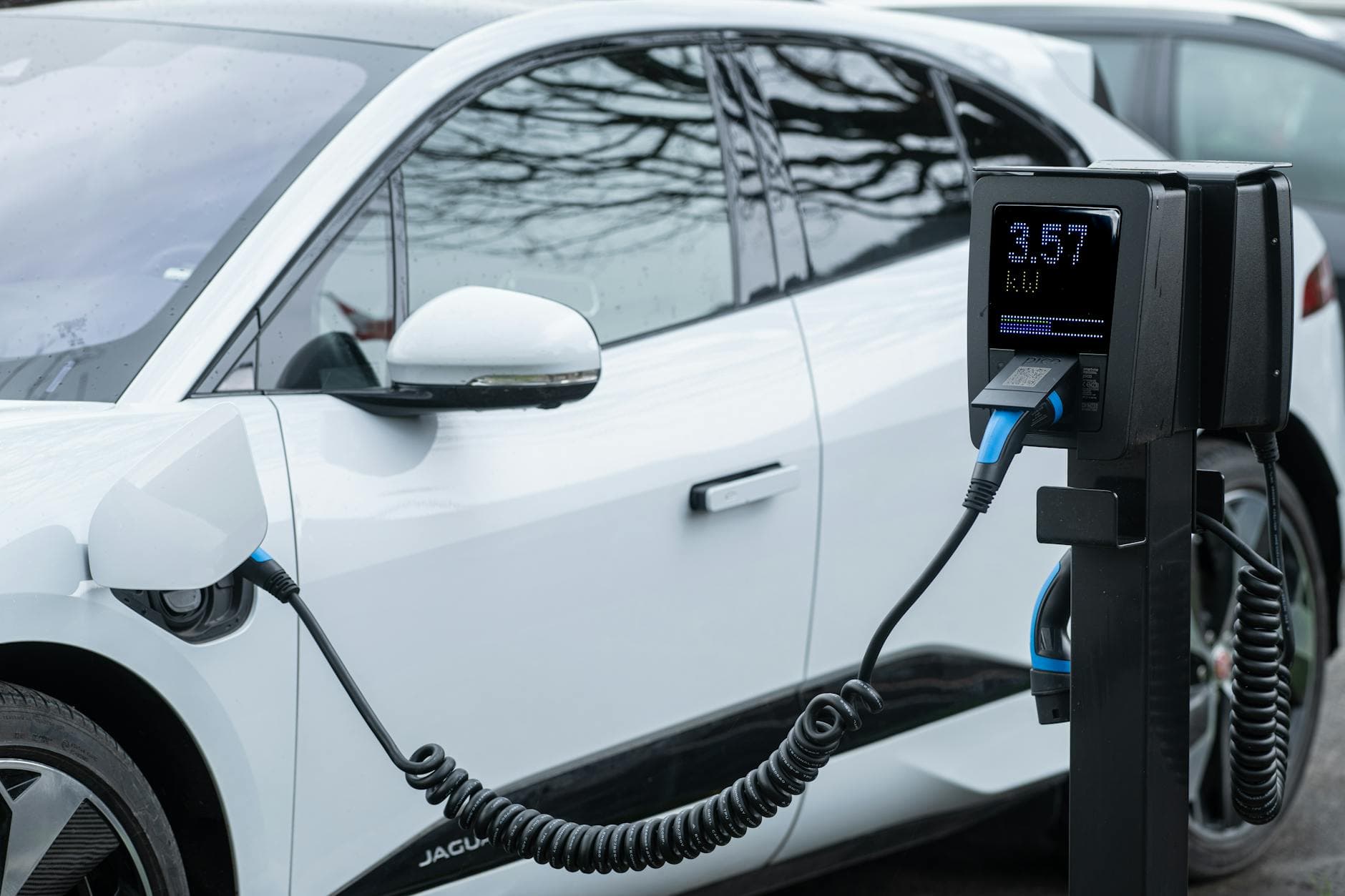
Analysts watching the show said Chinese brands are setting the pace in EV batteries and assisted driving, while foreign automakers are struggling to keep up. The pressure is not limited to the domestic market. Chinese companies are also building more factories overseas, including in Hungary and Turkey, to expand supply abroad and reduce trade friction. The Beijing Auto Show made one thing clear: China’s automakers are no longer exporting EVs alone. They are exporting an entire technology stack, and the next fight in global auto sales will be as much about computing power as driving range.
This article was produced by Prism’s automated news system from verified source data, official records, and press releases, then run through automated quality and moderation checks before publishing. The system is built and supervised by the people who set the standards it runs under. Read our full AI policy.
Did this article answer your question?