China’s gig economy surges as weak jobs market pushes workers online
A former Beijing software tester now drives ride-hailing from 7 a.m. to nearly midnight, clearing about 6,000 yuan a month as formal jobs dry up.
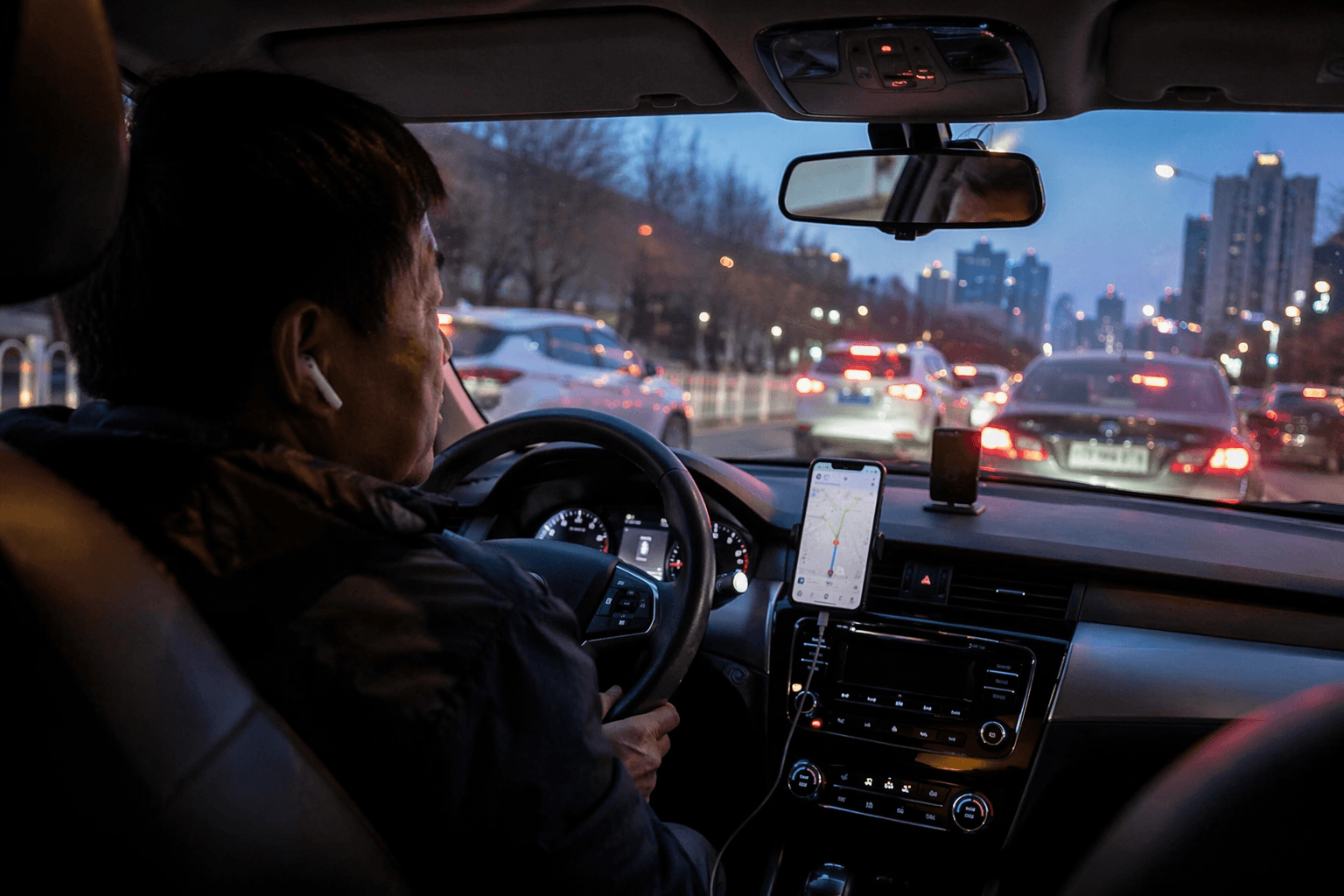
China widened its occupational injury insurance pilot for gig and platform workers nationwide on July 1. Bao Zhang, a former software tester in Beijing, is one of them. After losing his tech job, he began driving for a ride-hailing app, working from 7 a.m. until nearly midnight and taking home about 6,000 yuan, or roughly $885, a month after rental and charging costs. “Those who used to take taxis now have to drive them themselves,” Zhang said.
The China New Employment Forms Research Center estimates flexible employment will rise to 320 million this year from 280 million in 2025, a total equal to about 44% of China’s workforce. Flexible workers climbed from more than 200 million in 2021 to 240 million in 2024 and 280 million in 2025.
Gig workers typically do not get the insurance, paid leave and predictable contributions that come with permanent jobs, leaving them more exposed when work slows or accidents happen. The State Council issued a 2026-2030 employment-first plan on June 17, and Premier Li Qiang chaired a State Council executive meeting on June 5 that reviewed the 15th five-year employment plan and stable employment measures. China’s urban surveyed unemployment rate was 5.1% in May 2026, while the urban youth unemployment rate for people ages 16 to 24, excluding students, was 15.6%.
The injury insurance pilot began in July 2022 and, by the end of June 2026, had enrolled 29.9 million workers across 11 major platforms and 17 provinces. By July 2025, more than 12.3 million workers were covered, and by October 2025, 23.25 million workers had benefited. The Chinese Academy of Social Sciences warned in 2019 that the national pension fund could run out by 2035, and a 2024 update said delaying retirement could push depletion back eight to nine years.
This article was produced by Prism’s automated news system from verified source data, official records, and press releases, then run through automated quality and moderation checks before publishing. The system is built and supervised by the people who set the standards it runs under. Read our full AI policy.
Did this article answer your question?