China's Phosgo unveils AI solar e-bike with 120-mile range
Phosgo's solar e-bike promises 120 miles and AI features, but its 200W wheel cells face hard questions about range, repairs, and battery waste.

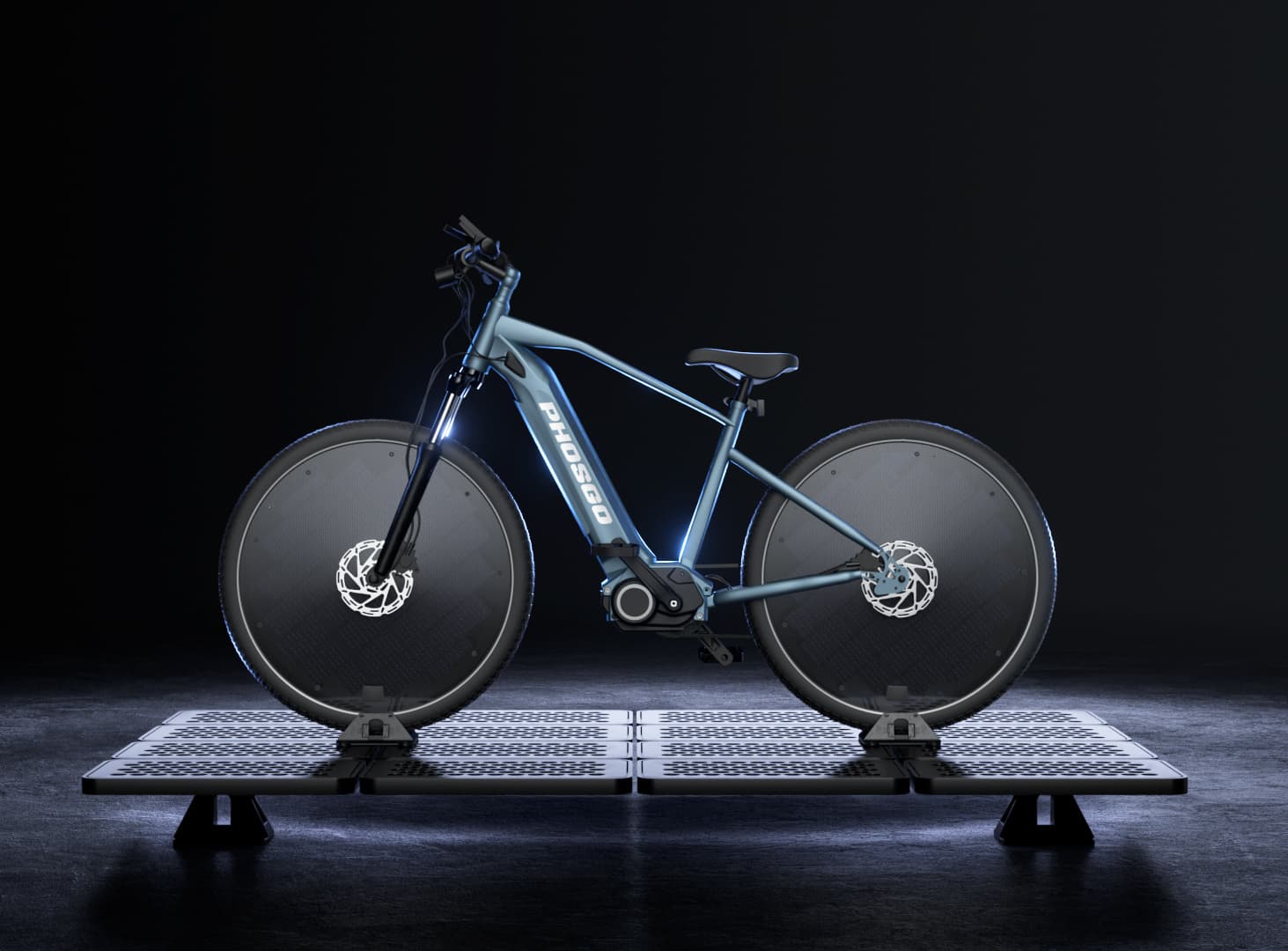
Phosgo is pitching the Go 5 Ultra as a solar e-bike with 200W of cells built into its wheels, a Bafang 750W mid-drive motor and an advertised range of up to 120 miles. The China-based brand says the panels can feed the motor while riding and recharge the battery when parked, while Kickstarter reservations are slated to open on July 27, 2026 at a reported $2,199, far below an MSRP cited at $5,999.
The company is also selling a broader promise of smart mobility. Its pre-launch materials describe GPS, 4G, Bluetooth, an app, a remote lock and alarm, and an AI voice assistant, all wrapped around a machine it calls the "world’s first" solar e-bike. That claim is attention-grabbing, but the category itself remains young. A 2018 MDPI review described solar-powered e-bikes as an early-stage field, and a 2024 ScienceDirect paper shows the topic is still active research rather than a settled consumer product.
The key question is whether the sun can add meaningful commuting range in everyday American use, or whether the solar hardware mostly serves as a marketing hook. The U.S. Department of Energy says solar cell efficiency is the share of sunlight turned into usable electricity, and much of that light is lost in the process. On a bike, with small surface area and a wheel-mounted design, that makes real-world gains harder to count on than a headline range figure suggests.
There is also a harder issue lurking beneath the novelty: durability. E-bikes have grown quickly in the United States, with PeopleForBikes citing Circana data showing year-to-date unit sales up 13% through April 2024 from the same period in 2023. PeopleForBikes also said the overall U.S. bicycle market reached about $5.1 billion in 2024, with e-bikes making up roughly 30% of it. That growth has attracted premium, connected products, but it has not made batteries or electronics less fragile.
The safety and disposal side of the ledger is less futuristic. The U.S. Consumer Product Safety Commission has repeatedly warned about fire hazards tied to e-bike batteries, and the U.S. Environmental Protection Agency says many discarded lithium-ion batteries are likely hazardous waste because of ignitability and reactivity. The EPA also says state and local rules can be stricter. If Phosgo’s wheel-integrated solar system adds complexity without materially extending range, buyers could end up paying for an expensive package of battery, wiring and electronics that is harder to repair and harder to retire responsibly.
This article was produced by Prism’s automated news system from verified source data, official records, and press releases, then run through automated quality and moderation checks before publishing. The system is built and supervised by the people who set the standards it runs under. Read our full AI policy.
Did this article answer your question?