China’s rising clinical trials challenge U.S. dominance at oncology meeting
Chinese drugmakers arrived in Chicago with record oncology clout, as U.S. share of global development fell and licensing money flowed toward China.
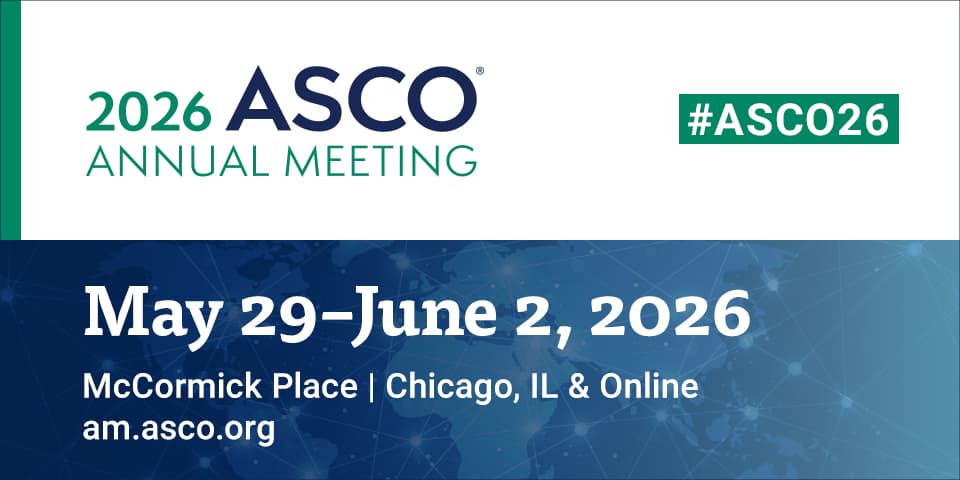
Chicago’s biggest cancer meeting has turned into a contest over where the next wave of drug discovery will be controlled. The 2026 ASCO Annual Meeting, held in Chicago from May 29 to June 2, featured more than 7,000 abstracts, and Chinese researchers and companies showed up with a record footprint that underscored how quickly the center of gravity in oncology is shifting.
Reporting around the meeting pointed to 95 China-led abstracts and as many as 13 studies from 12 Chinese drugmakers in the late-breaking and plenary slots, a level of visibility that would have been difficult to imagine a decade ago. That surge matters far beyond conference prestige. In oncology, the country that generates the trials often shapes the data, the patents, the licensing terms and, eventually, the location of the next manufacturing and clinical-development hubs.
The numbers behind that shift are stark. A JAMA editorial said global drug-development programs nearly doubled from about 10,400 in 2015 to roughly 19,000 in 2024, but the United States’ share fell from about 48% to 37%. Most of the growth came from China, where programs rose from about 830 to more than 6,000 over the same period. A Stanford briefing on a 2026 National Bureau of Economic Research paper said China accounted for less than 8% of global clinical trials in 2010, surpassed the United States in annual registered trial volume by 2020 and exceeded 5,000 trials a year by 2024.
Policy helped fuel the climb. Stanford’s briefing said China’s 2016 National Reimbursement Drug List reform was a major driver of the country’s oncology trial boom, helping transform it from a generic-drug producer into a major innovation center. That change is already altering business behavior. Goldman Sachs said 46% of new drug molecules entering human trials in the first half of 2025 originated in Chinese biopharma companies, while China accounted for about half of global licensing deals by dollar value. STAT reported that U.S. and global drugmakers spent about $60 billion on Chinese molecules in the first three months of 2026 alone.
The strategic question now is whether U.S. companies and regulators can keep pace. A Duke Clinical Research Institute forum in January said early clinical development is moving overseas because countries such as China and Australia can start trials faster and more cheaply, with Australia’s Clinical Trial Notification system allowing some studies to begin in fewer than 70 days after final protocol submission. The same forum warned that U.S. startup can take years because of pre-IND requirements and CMC burdens, and that pushing early-phase work abroad could erode U.S. capabilities over time while raising concerns about informed consent, patient autonomy and the ability to verify good clinical practice standards. For drugmakers, China has become both a rival and a source of assets. For Washington, the risk is that the country losing the most ground may not just be market share, but leverage over the future of cancer medicine itself.
This article was produced by Prism’s automated news system from verified source data, official records, and press releases, then run through automated quality and moderation checks before publishing. The system is built and supervised by the people who set the standards it runs under. Read our full AI policy.
Did this article answer your question?