Chinese automakers chase Toyota-style breakthrough with localized export models
Chinese automakers are copying Toyota’s Yaris playbook, redesigning cars for Europe as export volumes soar and tariffs force a local shift.
Chinese automakers are moving beyond the old export formula of shipping home-market cars abroad with only minor changes. The new bet is bigger: build vehicles from the ground up for foreign buyers and use that localization to turn a fast export surge into durable global brands.
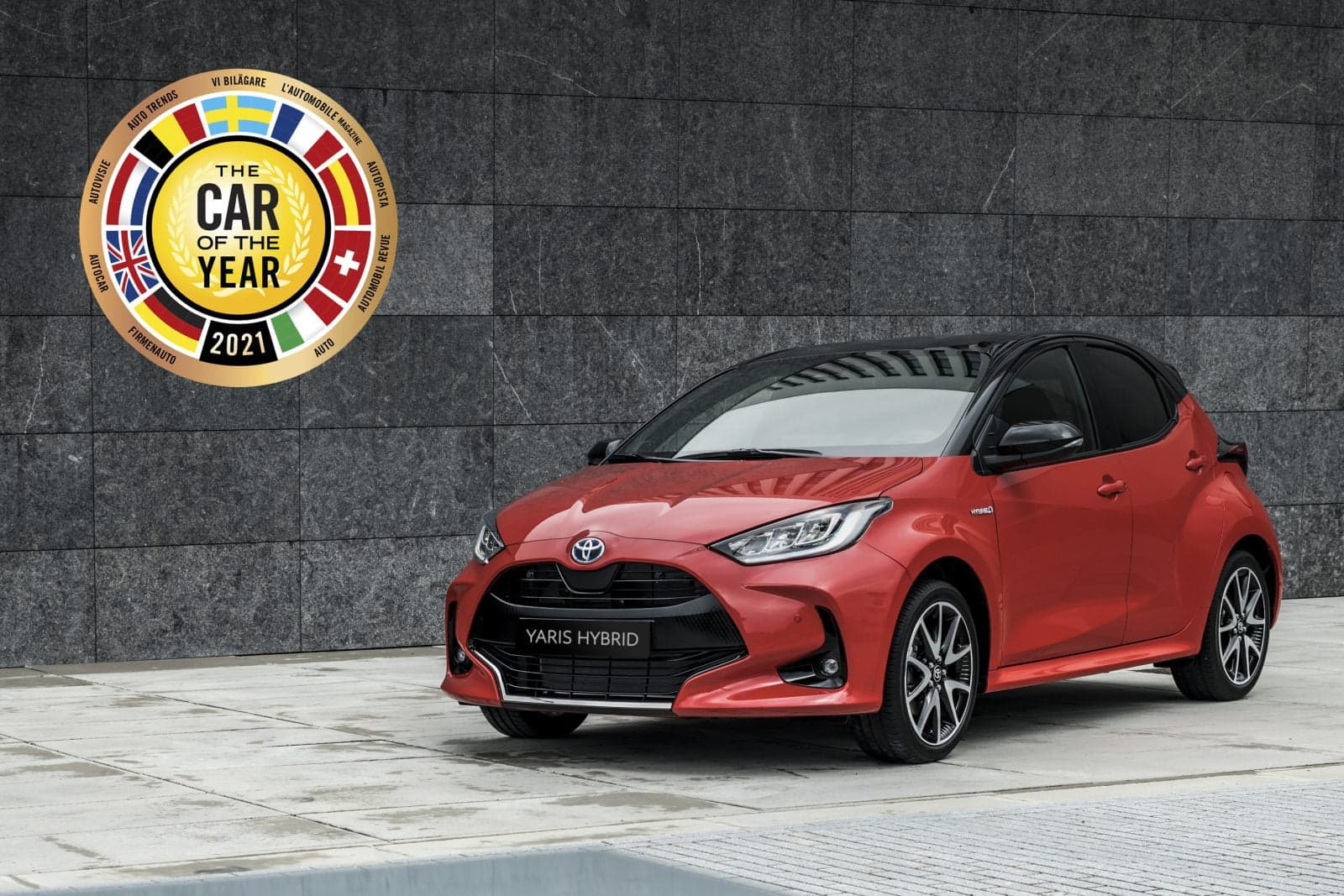
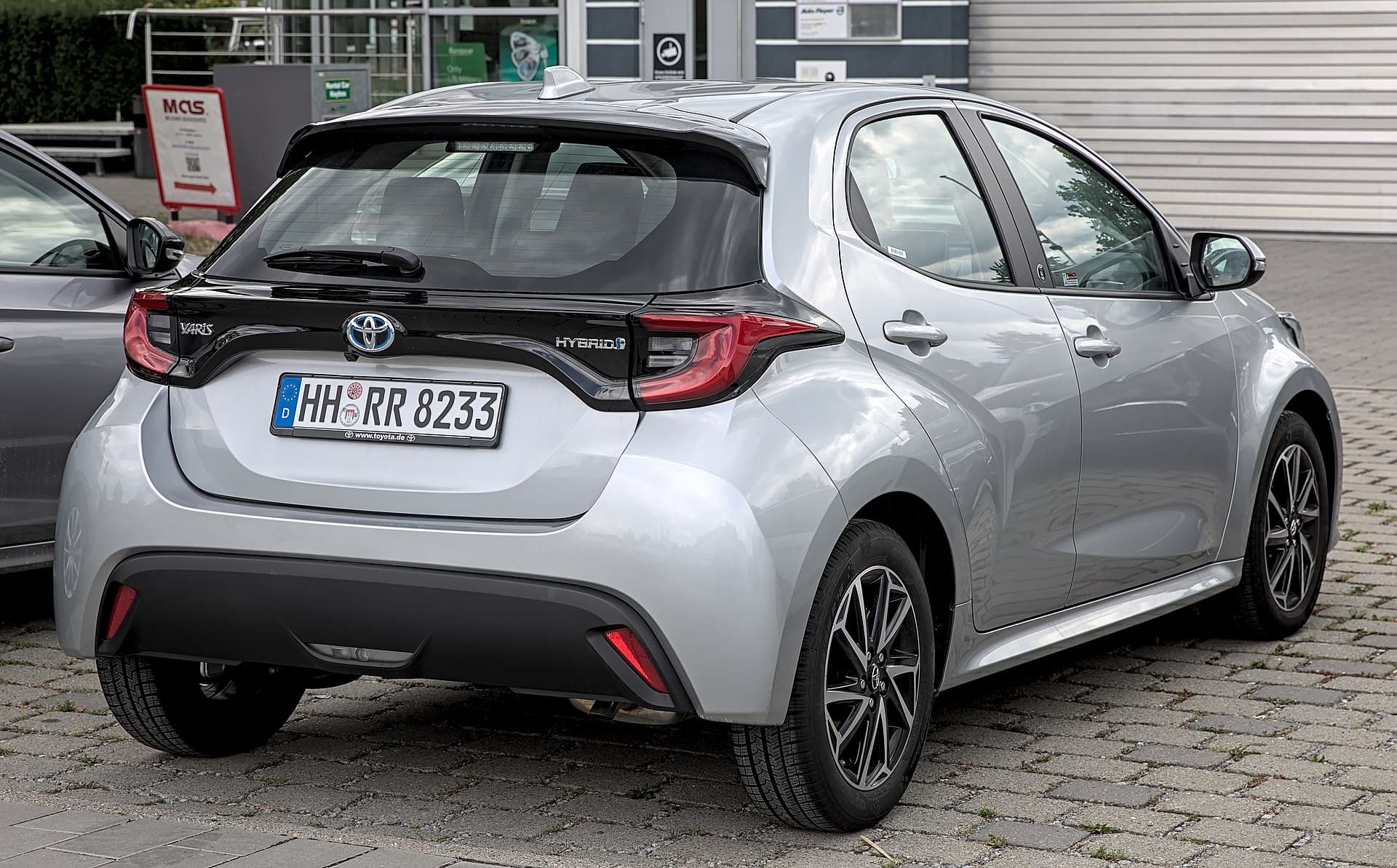
The model they are chasing is Toyota’s Yaris. Toyota launched the first-generation Yaris in Europe in April 1999, and the compact car won European Car of the Year 2000. Toyota later said the Yaris had reached 10 million global sales by 2023, and that it was designed and developed with European teams for European customers. That history matters because it showed that a Japanese brand could win in Europe not by exporting a Japanese car unchanged, but by matching local taste, safety expectations and market conditions.
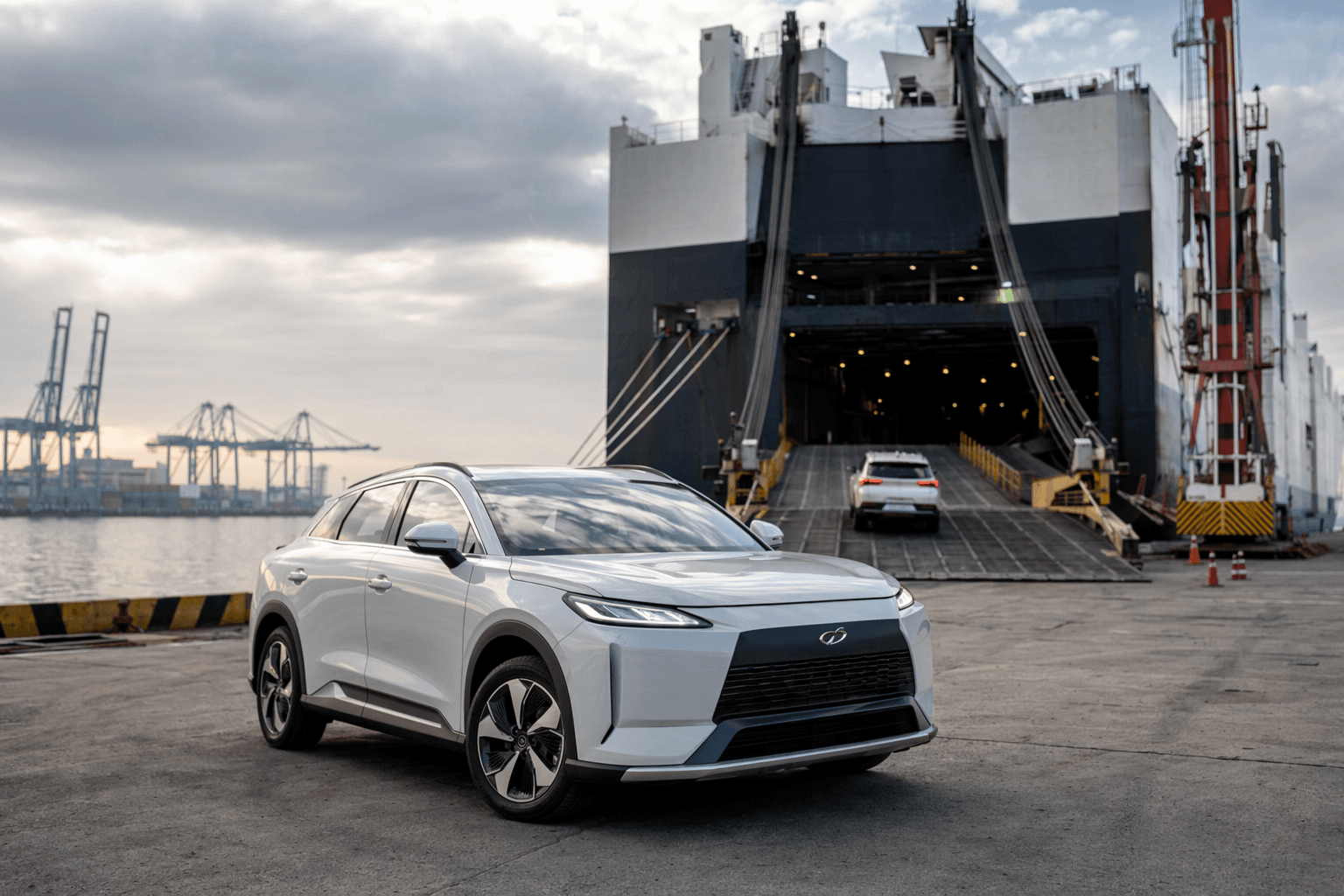
Chinese manufacturers are trying to do the same as overseas sales become central to their growth. China shipped 6.41 million vehicles overseas in 2024, up 23% from a year earlier, according to passenger car industry data. A separate industry tally put exports at 5.859 million, up 19.3%. Those numbers underline how quickly Chinese carmakers have become global players, but they also reflect the pressure at home, where a bruising price war has squeezed margins in an overcrowded market.
That pressure is pushing the industry toward Europe, where localization now looks as much like a defensive strategy as a growth plan. The European Commission’s definitive countervailing duties on battery electric vehicles from China took effect on October 30, 2024, raising the cost of relying on imports alone. For Chinese brands, that makes local production, local design and stronger dealer networks more important. It also raises the stakes around safety tuning, software features and the political perception of Chinese cars in mature markets.
BYD has already signaled the direction of travel, saying it planned to make all EVs for Europe locally by 2028. That kind of commitment suggests the next phase of Chinese expansion will be measured less by shipment counts than by whether brands can build trust with regulators, dealers and buyers abroad.
If Chinese automakers can pull off that shift, they could become more than low-cost exporters. They would become persistent competitors in Europe and other mature auto markets, where success depends on whether product quality can outrun regulatory and geopolitical resistance.
This article was produced by Prism’s automated news system from verified source data, official records, and press releases, then run through automated quality and moderation checks before publishing. The system is built and supervised by the people who set the standards it runs under. Read our full AI policy.
Did this article answer your question?

