Major Airlines Rebook 94,000 Spirit Passengers After Shutdown
Major airlines have rebooked about 94,000 Spirit passengers, but the bigger shock is at airports and markets that lost the low-cost carrier that held fares down.

The collapse of Spirit Airlines is rippling far beyond stranded travelers. The U.S. Department of Transportation said the four biggest U.S. airlines had rebooked about 94,000 Spirit customers, while airports that depended on Spirit’s low-cost network began losing daily service and a key source of fare discipline in thinner markets.
Spirit ceased operations on Saturday after a proposed $500 million rescue deal fell apart, ending with flight NK1833 from Detroit to Dallas, which landed shortly after midnight. The airline had 277 flights scheduled that day, all canceled, and Reuters said 4,119 domestic flights were on Spirit’s schedule between May 1 and May 15, representing 809,638 seats. Spirit said it flew more than 50,000 passengers on its final day and was trying to get more than 1,300 crew members back to their bases.
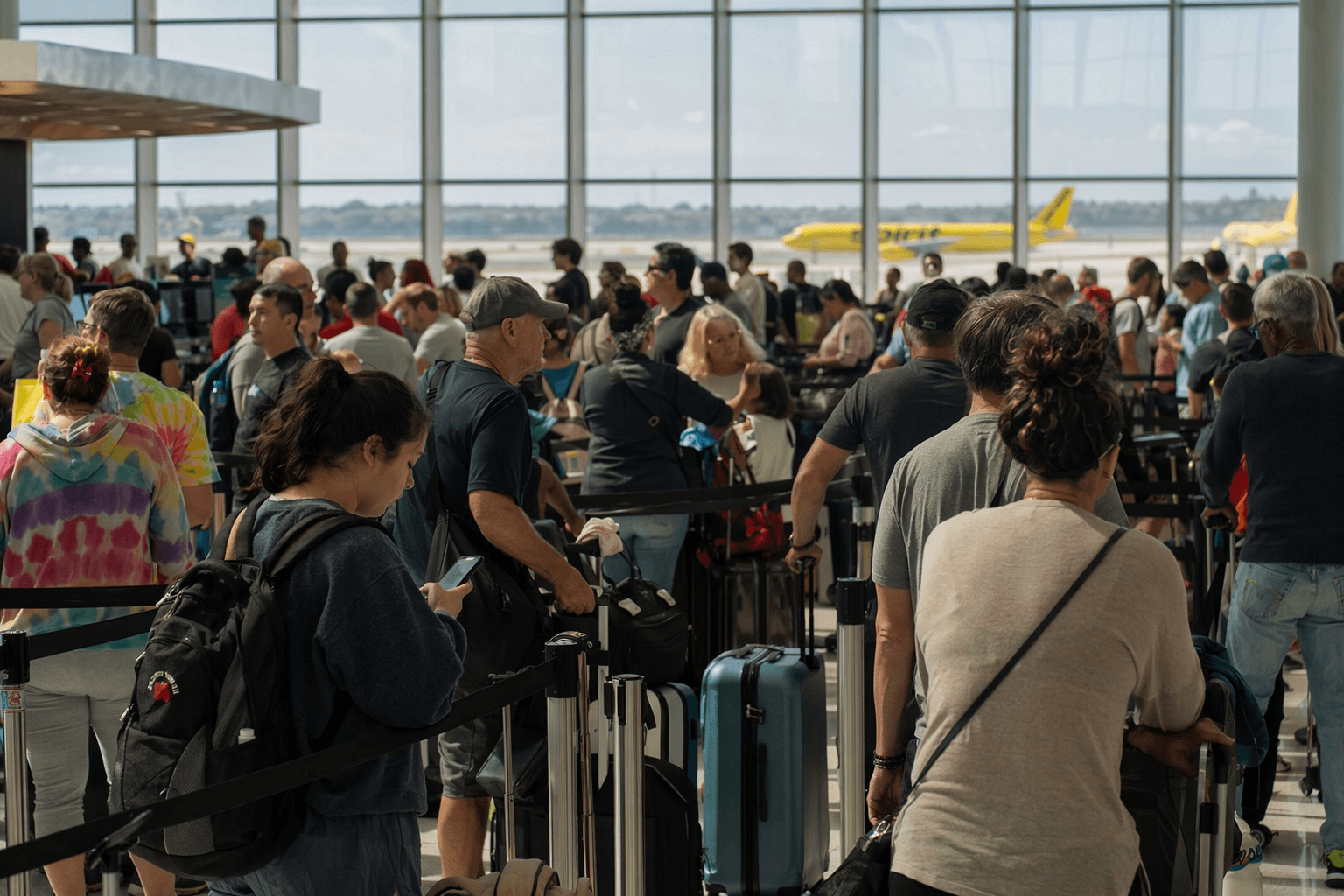
The Transportation Department said American Airlines, United Airlines, Delta Air Lines, JetBlue, Southwest Airlines, Allegiant, Frontier Airlines, Avelo and Breeze Airways agreed to help displaced Spirit passengers. United, Delta, JetBlue and Southwest capped ticket prices for Spirit customers for limited windows. American, Delta and Allegiant lowered or froze fares on some overlapping routes, and Frontier offered up to 50% off base fares through May 10. JetBlue also said it would add new service from Fort Lauderdale-Hollywood International Airport to 11 cities, along with more flights on existing routes, starting July 9.
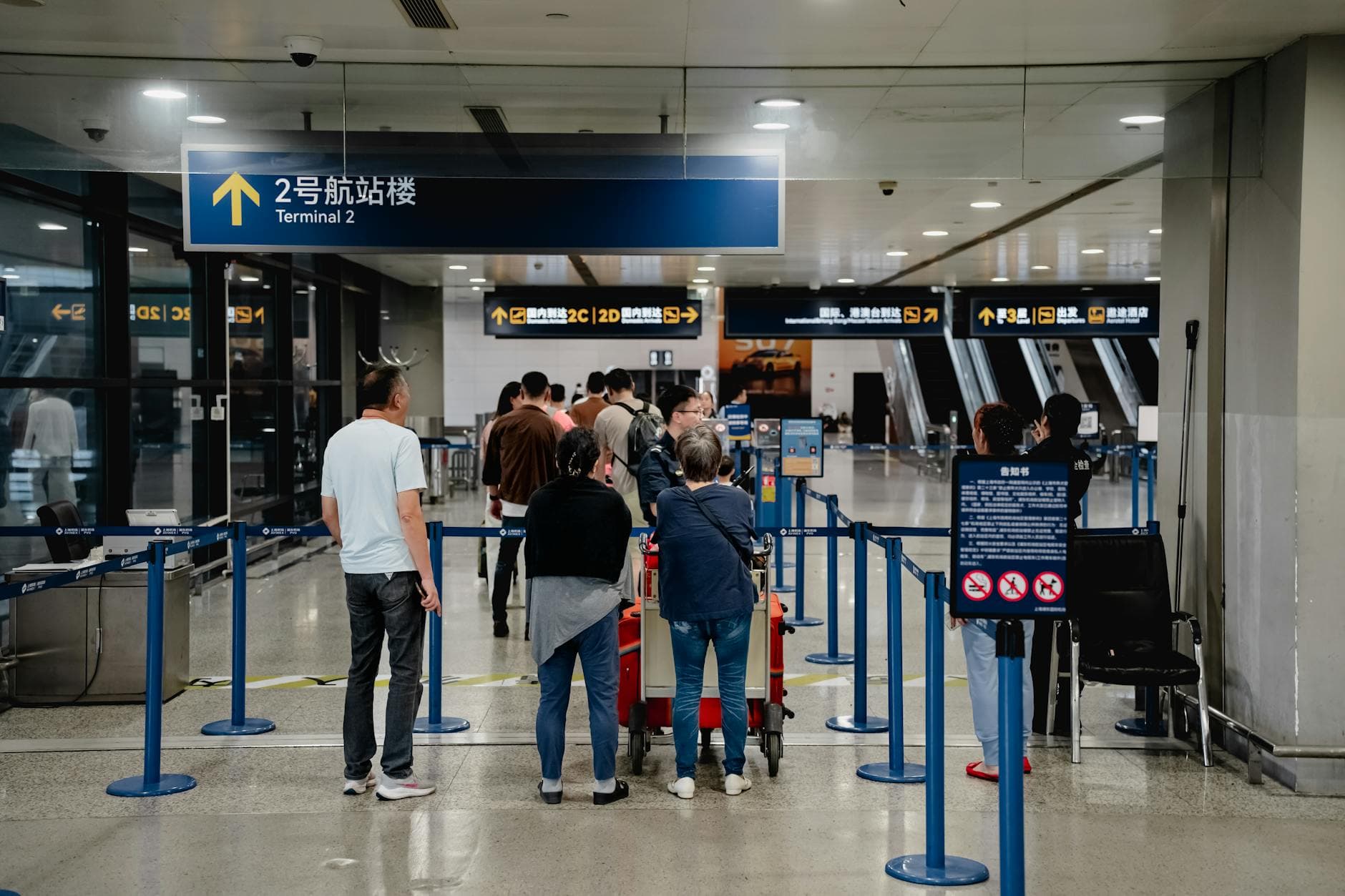
That response underscores how embedded Spirit had become in the U.S. air network. Reuters said the airline once accounted for 5% of U.S. flights, a scale that gave it outsized influence in price-sensitive cities and leisure-heavy markets. Its exit is expected to strengthen rivals already moving into overlapping routes, but it also leaves some airports without daily service and removes a carrier that often forced competitors to match lower fares.
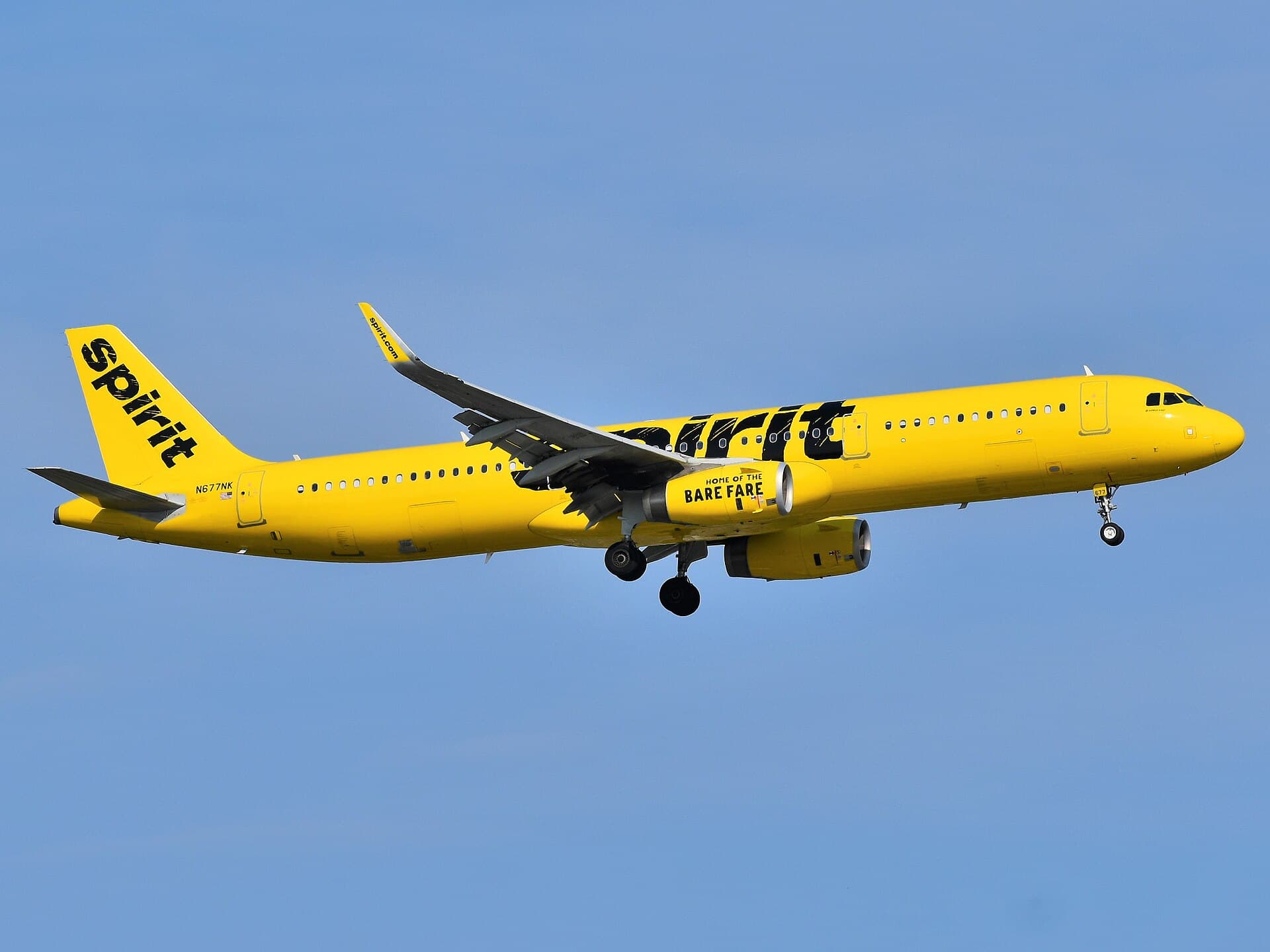
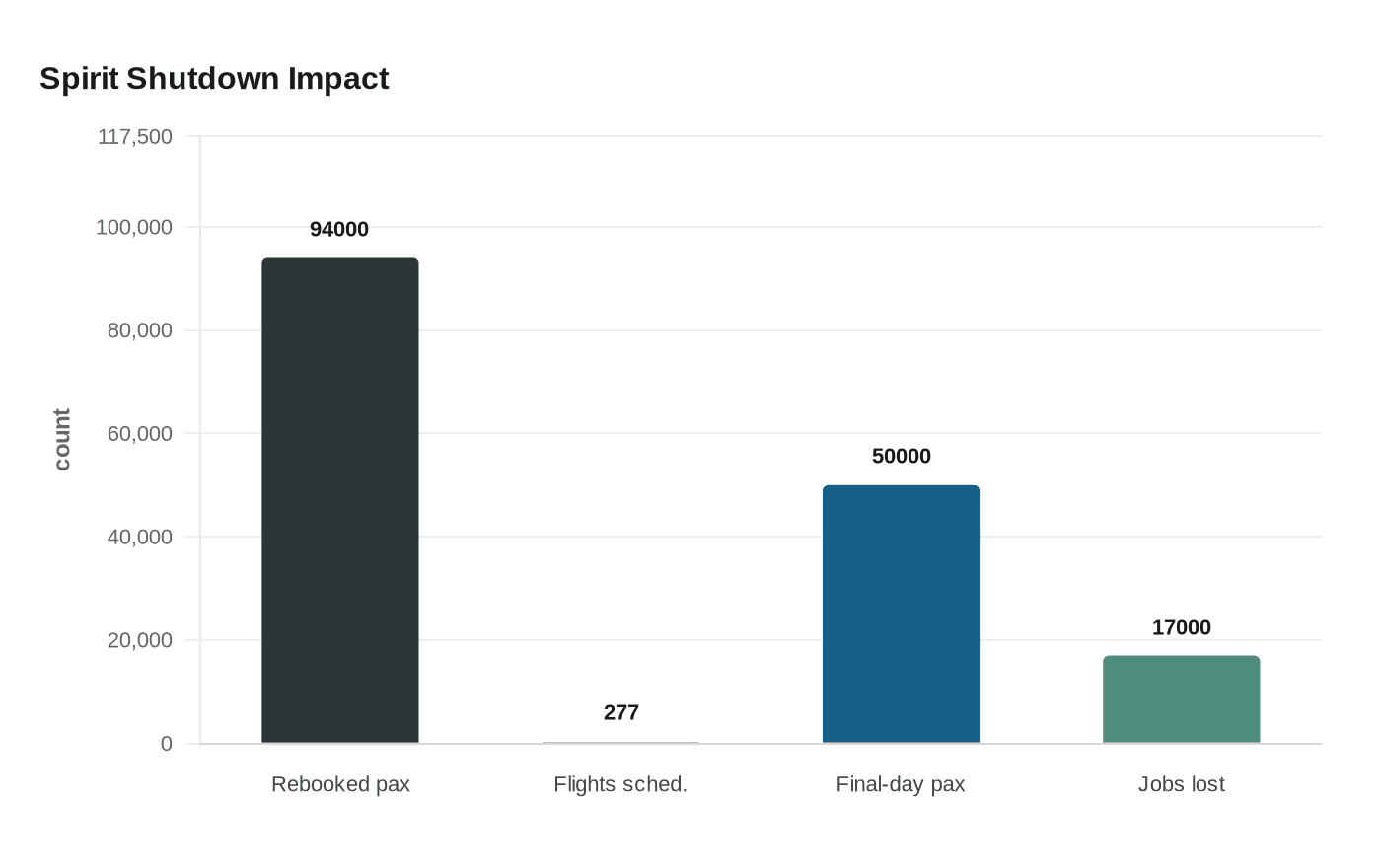
The shutdown also lands as a labor shock. Spirit said about 17,000 direct and indirect employees lost their jobs, and many workers learned of the closure through media reports before receiving direct notice. The airline’s demise is the first major U.S. airline liquidation in about two decades, with TWA’s 2001 failure the last comparison many industry watchers cite. Spirit’s second bankruptcy in less than a year, combined with surging jet fuel prices tied to the Iran war, ended the carrier’s run and reset the competitive map for budget air travel in the United States.
This article was produced by Prism’s automated news system from verified source data, official records, and press releases, then run through automated quality and moderation checks before publishing. The system is built and supervised by the people who set the standards it runs under. Read our full AI policy.
Did this article answer your question?
%3Amax_bytes(150000)%3Astrip_icc()%2FCertificate-of-deposit-2301f2164ceb4e91b100cb92aa6f868a.jpg&w=1920&q=75)