Chinese automakers intensify pressure on UK rivals, SMMT says
Chinese-owned brands now make up about 15% of UK new car registrations, and MG, BYD and Chery are forcing rivals into deeper discounts.
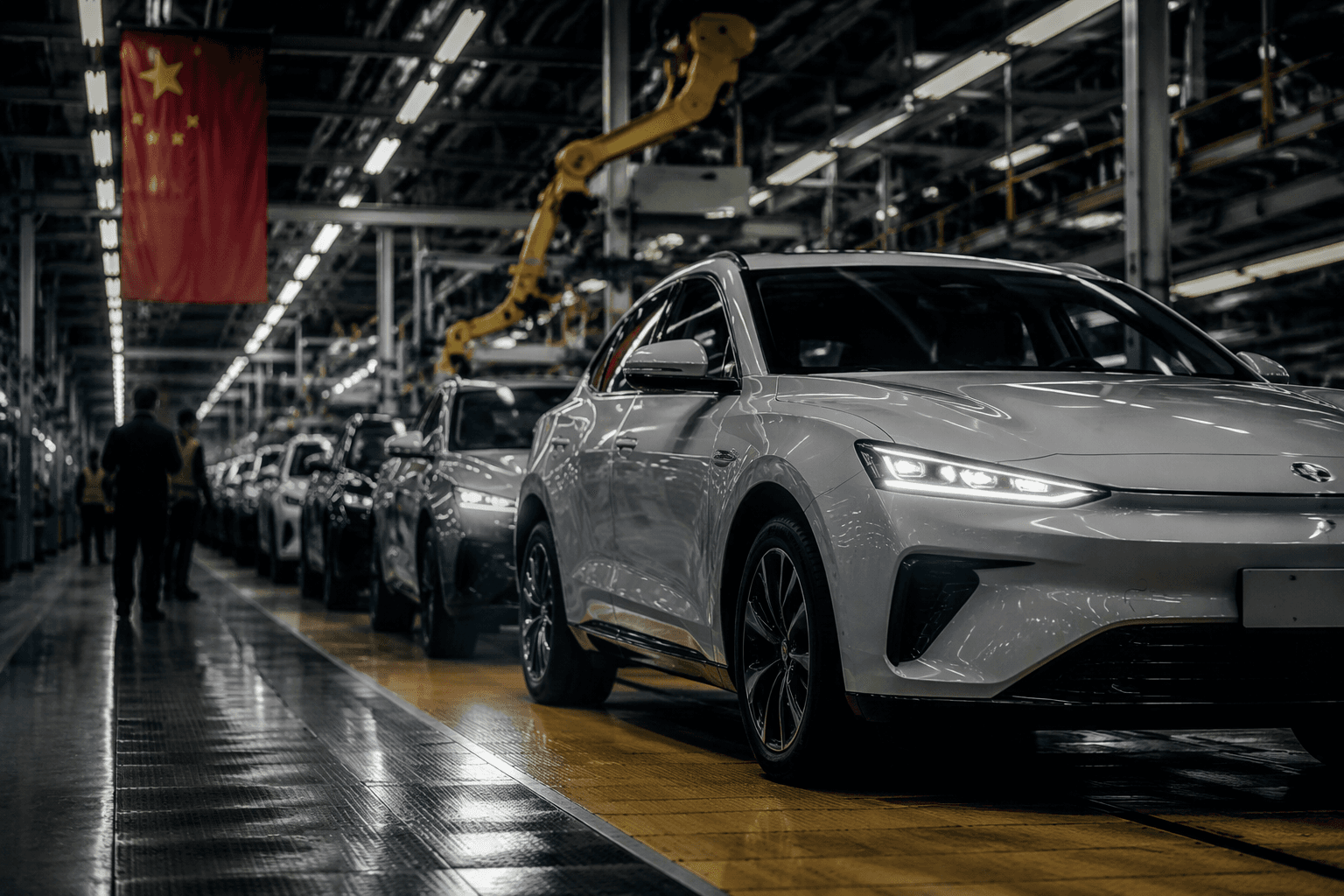
Chinese automakers have pushed into Britain fast enough to take about 15% of new car registrations, forcing established rivals to cut prices to keep pace. The scale of the shift has turned Chinese brands from fringe entrants into a material force in the UK market.
Mike Hawes, chief executive of the Society of Motor Manufacturers and Traders, said Chinese competition was one of several pressures facing Britain’s automotive industry, alongside high energy costs and weak business confidence. The latest market data showed Chinese-owned brands already holding about 15% of UK new car registrations, led by SAIC Motor’s MG, BYD and Chery’s Omoda and Jaecoo marques.
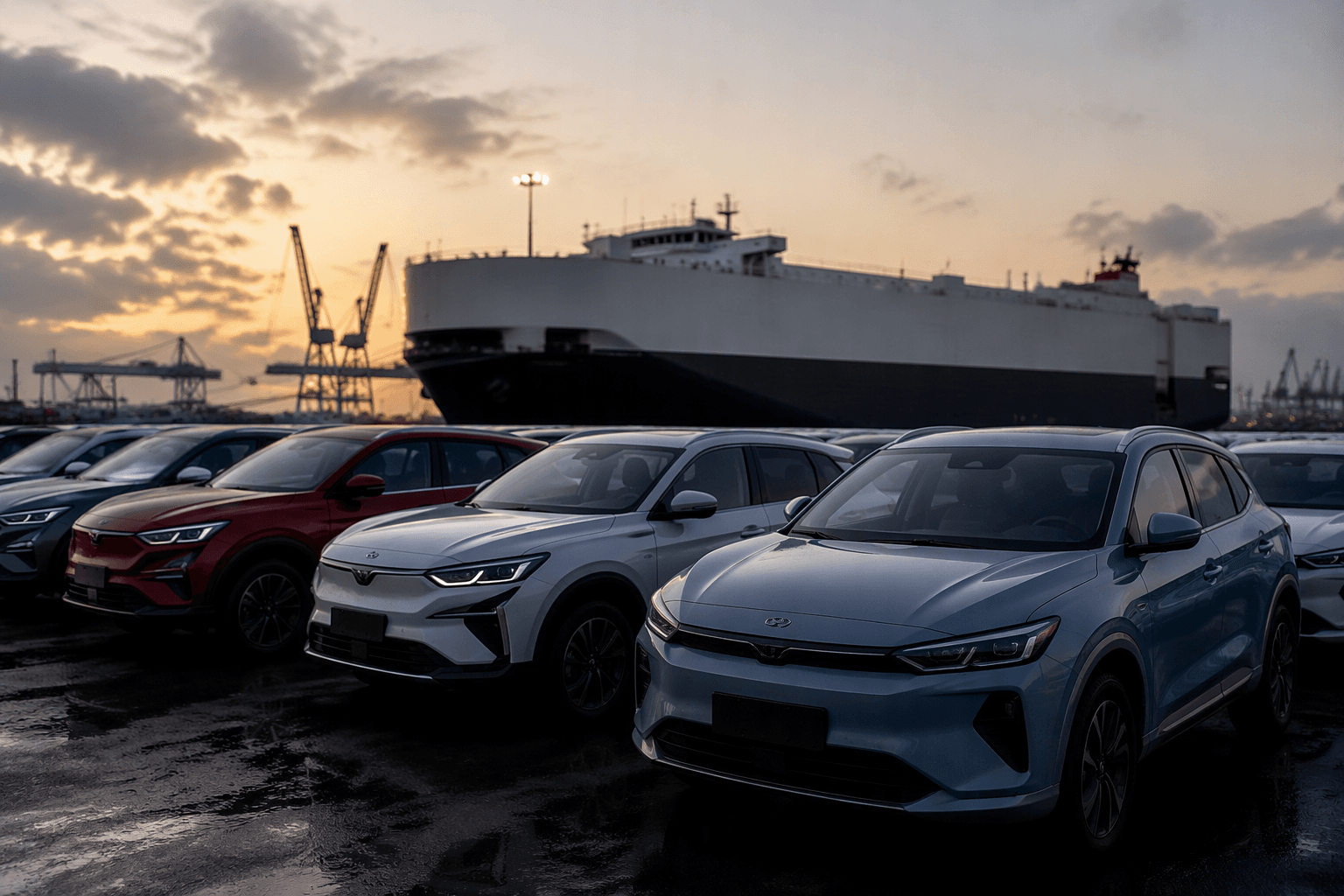
The pressure is showing up first in pricing. Established manufacturers are being pushed to offer deeper discounts to compete with lower-cost imports, a sign that Chinese carmakers are not relying on market share alone but on a different cost base and faster product turnover. That is reshaping the competitive field for UK brands that have long leaned on heritage, engineering reputation and export strength.
The challenge also runs deeper than showroom sales. The squeeze reaches investment timing, battery sourcing and software integration, areas that increasingly define whether a carmaker can compete in the electric vehicle era. For British manufacturers and suppliers, that means the fight is no longer just about building cars efficiently. It is about securing batteries, updating software quickly and deciding where to commit capital in a market where new entrants can move faster and price lower.
Britain has already shown how price-sensitive the EV market has become. New car sales recovered in May 2025 as electric vehicle discounts helped draw buyers back, underscoring how heavily the market now depends on incentives and competitive pricing. The International Energy Agency’s Global EV Outlook 2025 also points to the same broader shift: electric vehicles are now central to the future of the auto industry, and the companies that control scale, batteries and software will shape the terms of competition.
That leaves policymakers with a familiar dilemma. Cheaper Chinese cars can broaden consumer choice and keep downward pressure on prices, but they also threaten margins for domestic manufacturers and the jobs tied to their supply chains. The same dynamic is now testing carmakers across Europe and will matter in the United States as well, where the EV transition is exposing gaps in cost, technology and industrial policy that older manufacturers cannot afford to ignore.
This article was produced by Prism’s automated news system from verified source data, official records, and press releases, then run through automated quality and moderation checks before publishing. The system is built and supervised by the people who set the standards it runs under. Read our full AI policy.
Did this article answer your question?