Apple beats revenue and profit forecasts as iPhone sales rise
Apple’s iPhone and Mac sales powered a 16.4% revenue jump to about $94.0 billion, but services missed targets and shares slipped 4% after hours.
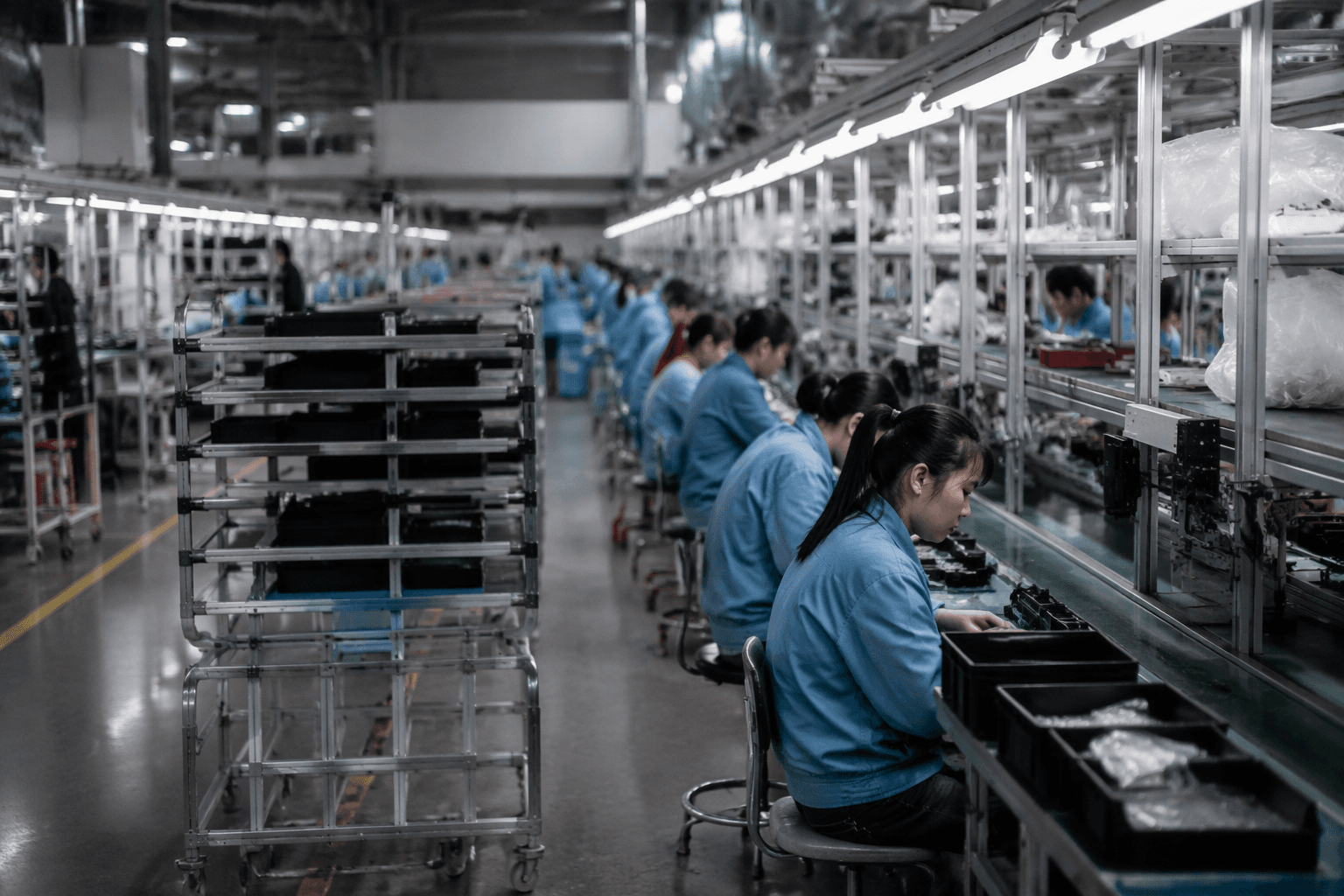
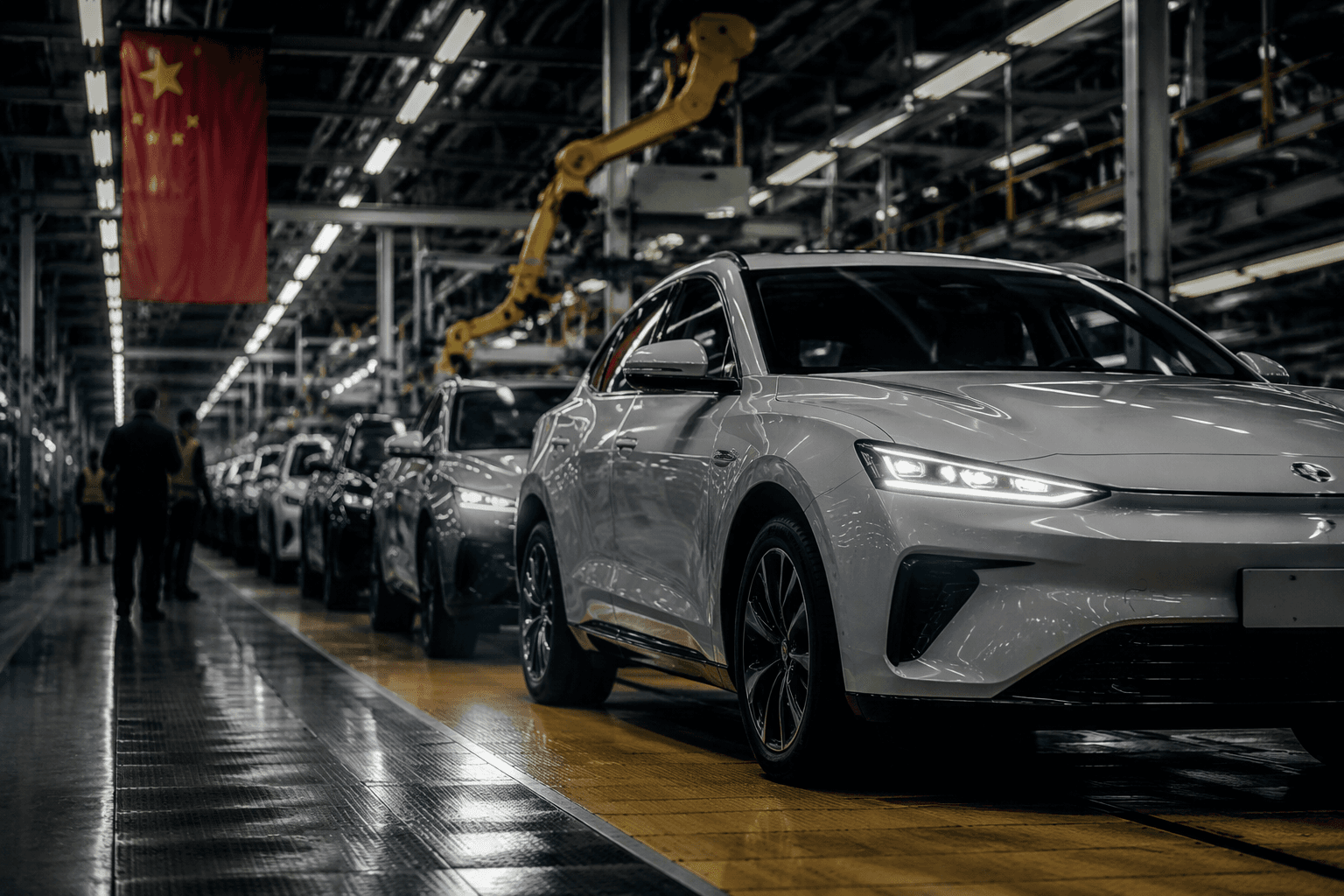
Apple’s fiscal third-quarter results exposed a split in its business model: iPhone and Mac demand carried the quarter, while services came in below Wall Street targets. Apple said sales for the period ended June 27 rose 16.4% to about $94.0 billion, with revenue and profit both beating expectations.
The hardware strength mattered because it showed customers were still buying into Apple’s premium ecosystem even as the company raised prices across parts of its product lineup. Strong Mac sales added to the upside, suggesting demand was not limited to the iPhone alone. For investors, that reinforced Apple’s pricing power at a time when consumer electronics makers have been trying to defend margins against higher costs and a slower device upgrade cycle.
Services was the weaker part of the report. The segment, which has become central to Apple’s long-term profit story, missed market targets, and the company linked the softness to a gaming slowdown and changes to the App Store. That matters because services has been one of the biggest reasons Apple has been able to support a premium valuation: recurring revenue from apps, subscriptions and other digital products has been expected to smooth the swings that come with handset sales.
The market response was cautious. Apple shares fell about 4% in after-hours trading after the results, a sign that investors were looking beyond the earnings beat and focusing on whether the company can keep growth intact. The scrutiny was heightened because Apple had recently regained the title of the world’s most valuable company, raising expectations that the company could keep delivering growth even in a tougher operating environment.
Apple also gave a softer outlook for the current quarter ending in September 2026. The company projected revenue growth of 9% to 11%, below analyst expectations of more than 12%, and pointed to supply-chain constraints as a drag. That guidance suggests the debate around Apple’s next phase is far from settled: the company still has powerful device demand and loyal buyers, but the services slowdown showed that the higher-margin engine behind its valuation is not immune to shifts in consumer behavior or platform rules.
This article was produced by Prism’s automated news system from verified source data, official records, and press releases, then run through automated quality and moderation checks before publishing. The system is built and supervised by the people who set the standards it runs under. Read our full AI policy.
Did this article answer your question?