China factory activity contracts in July as demand stays weak
China’s factory gauge fell to 49.3 in July, deepening pressure on U.S. exporters, retailers and global supply chains as demand stayed weak.
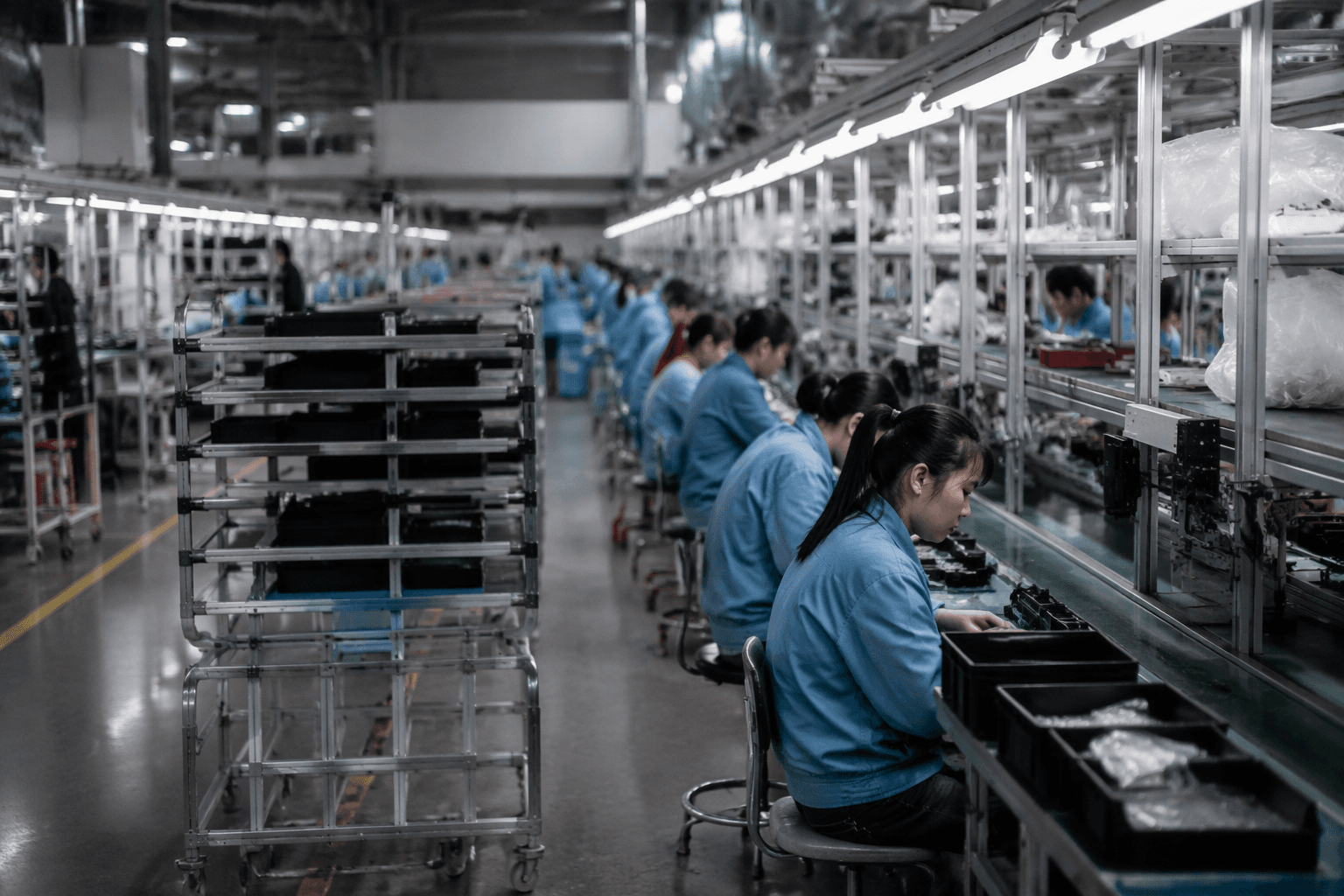
China’s official factory gauge slipped to 49.3 in July from 49.7 in June, a contraction that adds another warning sign for U.S. exporters, retailers and multinationals tied to Chinese supply chains. A reading below 50 signals shrinking activity, and the latest drop showed that factories were still losing momentum as new orders weakened.
The decline matters well beyond China’s borders. American companies that sell machinery, industrial inputs, consumer goods and raw materials into China face softer demand when Chinese factories cut back. U.S. shippers and logistics firms also feel the strain when Chinese production slows, because lower factory output can reduce cargo volumes, commodity demand and the pace of cross-border inventory restocking. For investors, the reading added to pressure on markets that track China as a key driver of global manufacturing and Asian growth.
The July contraction was driven by shrinking new orders, while weak domestic consumption and elevated production costs continued to weigh on manufacturers. That combination points to a demand problem more than a simple production problem: factories can only run so hard when households remain cautious and overseas buyers are uneven. China’s first-half manufacturing strength and solid goods exports had helped cushion the economy, but the July result suggested that support was not translating into a durable upswing.
Beijing has already leaned on policy measures to steady growth, and the weaker factory reading will keep attention on whether officials and the People’s Bank of China need to do more. Targeted stimulus, infrastructure spending and steps to bolster consumer confidence are all likely to remain in the policy mix if demand does not improve. The risk for global markets is that any additional support may be enough to stabilize activity, but not strong enough to produce a broad recovery in manufacturing demand.
The latest figure also fits a wider pattern. China’s official manufacturing PMI was below 50 in July 2025 as well, showing that factory weakness has persisted for more than a year. For the United States, that means the slowdown is not a one-month blip but part of a longer stretch in which softer Chinese demand can ripple into pricing, inventories and earnings across industries that depend on the world’s second-largest economy.
This article was produced by Prism’s automated news system from verified source data, official records, and press releases, then run through automated quality and moderation checks before publishing. The system is built and supervised by the people who set the standards it runs under. Read our full AI policy.
Did this article answer your question?